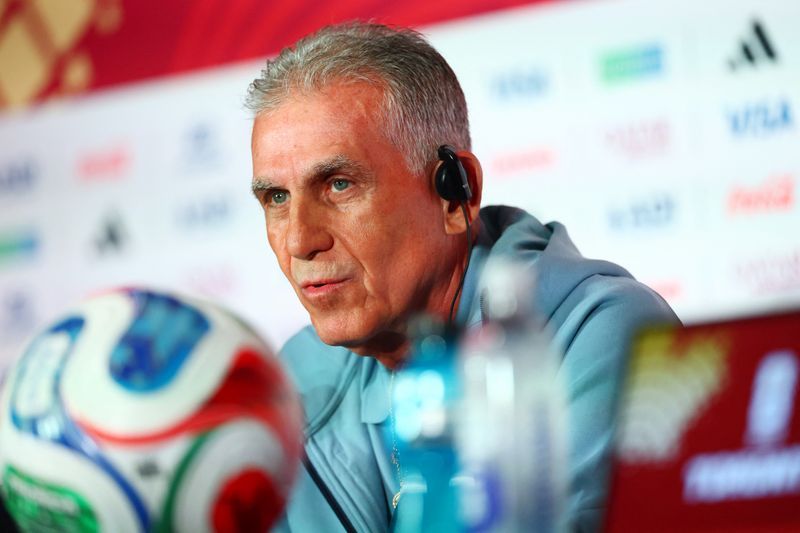
Ghana's manager Carlos Queiroz has expressed confidence that his side will be fully prepared to take on Panama in their World Cup Group L encounter, whether or not midfielder Thomas Partey is cleared to participate. The Portuguese coach made the declaration on Tuesday in Toronto, just 24 hours before the two teams are scheduled to clash at Toronto Stadium, as a Canadian federal court simultaneously heard arguments in an appeal against the country's initial refusal to grant Partey entry.
The case surrounding Partey has added an unwelcome layer of distraction to Ghana's World Cup preparations. The Villarreal midfielder faces serious allegations of rape and sexual assault in Britain, charges which he has consistently denied. However, Canada's immigration authorities had initially denied him permission to enter the country, prompting Ghanaian officials to lodge an urgent appeal that came before the federal courts on Tuesday, creating a tense situation that could have significant consequences for the team's tactical options.
During his press briefing, Queiroz adopted a pragmatic stance regarding the uncertainty surrounding his midfielder's availability. Rather than dwelling on the legal complications, he emphasised his readiness to work with whatever personnel the court's decision ultimately permits. His refusal to comment extensively on Partey's off-field troubles reflected both a desire to maintain focus and a deliberate strategy to avoid further controversy. "To add more comments about issues that are nonsense is not part of my business," Queiroz stated, signalling his intention to keep the spotlight firmly on football rather than legal proceedings.
Queiroz's philosophy of "playing with the cards that I have in front of me" represents a common approach among experienced coaches facing unexpected complications. With only hours remaining before kickoff, Ghana's coaching staff would have had to develop contingency plans well in advance, ensuring that any potential absence would not leave the team unprepared. This level of contingency planning is standard practice at the World Cup level, where unpredictable circumstances frequently test a team's adaptability and squad depth.
The Ghanaian coach spoke with considerable respect for Panama, acknowledging that Otto Concacaf side represents a well-organised and experienced opponent with considerable tactical discipline. However, Queiroz was equally confident in his own team's capabilities, suggesting that Ghana possesses sufficient quality and athleticism to exploit weaknesses that inevitably exist in any football side. He highlighted Ghana's experience, technical skill, pace, and strength in one-on-one situations as areas where they could gain advantage over their Central American rivals.
Queiroz's assessment of Panama reflects the reality that international football at the World Cup level involves detailed tactical preparation and recognition of opponents' strengths and limitations. Panama's participation in the tournament itself represented a significant achievement, but at this stage of global competition, every team is vulnerable to teams that execute their game plan effectively. Ghana's manager appeared confident that his side understood the opposition sufficiently to neutralise their threats while capitalising on Ghana's own considerable talents.
Beyond the immediate match preparations, Queiroz took the opportunity to address FIFA's newly implemented mandatory hydration breaks during World Cup fixtures, a rule that has generated considerable debate within the coaching fraternity and among players. Rather than making snap judgments, Queiroz called for a comprehensive integrity report after the tournament concluded, to determine whether the hydration break rule genuinely prioritised player welfare or whether other commercial and marketing considerations had influenced FIFA's decision-making.
Queiroz's call for accountability on this issue reflects broader concerns among top-level coaches about the growing influence of commercial interests on the sport's fundamental rules and competition structure. The hydration break provision, while ostensibly implemented for player safety, had been met with mixed reactions from the football community. Queiroz's sophisticated approach—deferring judgment until proper evidence could be examined—demonstrates the analytical mindset required at the highest levels of the game.
For Malaysian and Southeast Asian football followers, Ghana's World Cup campaign represents an important moment in African football representation at the tournament. The team's ability to navigate both on-field challenges and off-field complications with composure sets a standard for how elite teams manage adversity. As Ghana's fate in the tournament could significantly impact broader African football dynamics and influence how Southeast Asian nations approach their own World Cup qualification campaigns, the outcome of the Panama match carries broader continental implications beyond the immediate sporting context.