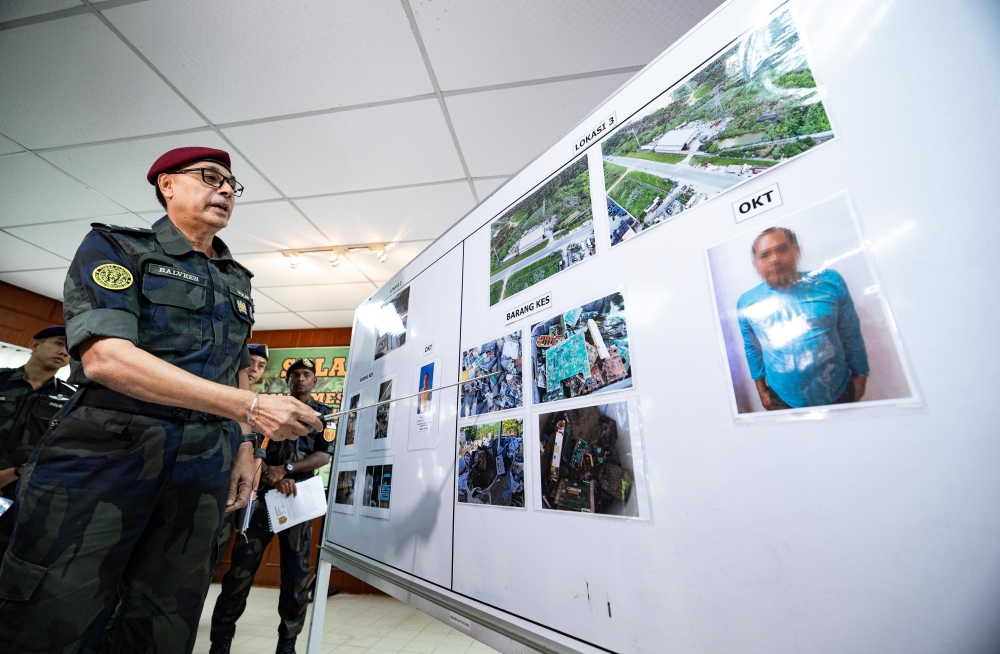
A coordinated enforcement operation across Ipoh has resulted in the confiscation of 120,220 kilogrammes of illegal electronic waste valued at RM9.39 million, marking a substantial victory for the General Operations Force Northern Brigade in combating the nation's growing illicit recycling trade. The raids, which culminated in the arrest of 14 suspects, represent a rare large-scale crackdown on operations that convert discarded electrical equipment into cash through informal channels that bypass environmental and safety regulations.
The seized materials comprise a diverse inventory of electronic devices ranging from computer monitors and keyboards to circuit boards and other hardware components. Officials have yet to disclose the precise locations where the items were stored or the operational methods employed by the networks involved. However, the sheer volume indicates a sophisticated distribution network capable of accumulating substantial quantities of e-waste for processing or resale, either domestically or potentially for export to neighbouring countries.
Electronic waste represents one of Southeast Asia's most pressing environmental challenges, particularly given the region's rapid digital adoption and limited infrastructure for responsible recycling. Malaysia generates approximately 250,000 tonnes of e-waste annually according to official estimates, yet formal recycling capacity remains constrained. Informal operations like those targeted in the Ipoh raids often extract valuable metals—copper, gold, and rare earth elements—through crude methods that release toxic substances including lead, cadmium, and mercury into waterways and soil. Workers in these operations face severe health risks without protective equipment.
The RM9.39 million valuation attributed to the confiscated materials reflects the economic incentive driving such illegal enterprises. The global market for reclaimed electronics components and raw materials recovered from e-waste remains robust, creating profit margins that attract criminal syndicates. Developing nations like Malaysia occupy a precarious position in this supply chain, simultaneously importing waste from developed countries and serving as processing hubs for materials destined for manufacturers in China and other production centres.
Government agencies have intensified focus on e-waste trafficking following a series of international pressure campaigns and bilateral agreements aimed at stemming flows of hazardous materials across borders. The Basel Convention, to which Malaysia is a signatory, theoretically restricts shipments of certain categories of waste from wealthy nations to developing countries. Yet enforcement remains inconsistent, with containers frequently misclassified or documentation forged to evade detection at ports and borders. The GOF operation suggests authorities are now adopting more aggressive domestic strategies to disrupt black-market handling before materials are exported or processed.
The 14 arrests carry implications for understanding the organisational structure of these networks. Such operations typically involve multiple tiers: source collectors who gather discarded electronics from households and businesses; transport operators who move materials to intermediate storage sites; and processing facilities where components are separated and prepared for sale. The scale of this seizure indicates law enforcement has likely interrupted multiple points within a supply chain, potentially disrupting operations that would have continued throughout the region for months or years without intervention.
For Malaysian manufacturers and legitimate e-waste recycling companies, the crackdown addresses a persistent market disadvantage they face competing against informal operators unburdened by environmental compliance costs or labour standards. Licensed recyclers investing in proper facilities, worker training, and pollution controls struggle to compete economically with criminal enterprises that externalise environmental and health costs onto surrounding communities. Enforcement actions that raise the operational risk for illegal players theoretically level the playing field, though inadequate penalties often fail to provide sufficient deterrent effect.
The Ipoh raids also underscore the transnational dimensions of Malaysia's waste management challenges. Much of the nation's e-waste ultimately originates abroad—discarded computers and phones from developed countries that manufacturers have programmed for accelerated obsolescence. The devices arrive in Malaysia partly through legitimate second-hand markets but increasingly through smuggling networks that misclassify hazardous materials as general cargo. Local consumers and businesses contribute domestic e-waste, but the volume from international flows significantly complicates Malaysia's ability to manage the problem independently.
Moving forward, the sustainability of such enforcement operations depends on sustained resource allocation and inter-agency coordination. The GOF Northern Brigade's involvement indicates this has become a priority for security forces, yet maintaining consistent pressure requires parallel investment in detection technologies, intelligence networks, and personnel training. Neighbouring countries including Thailand and the Philippines face identical challenges, suggesting regional cooperation mechanisms could amplify effectiveness by disrupting transnational trafficking networks that adapt quickly to enforcement in any single jurisdiction.
The broader policy landscape around e-waste in Malaysia remains fluid. Proposed amendments to the Environmental Quality Act aim to strengthen penalties for illegal waste handling and establish more stringent export controls. However, implementation has proceeded unevenly, and businesses continue exploring loopholes in regulations. Consumer awareness about responsible electronics disposal remains low across Malaysia, with most households unaware that their discarded devices frequently wind up in uncontrolled processing operations rather than certified recycling facilities.
For Malaysian readers concerned about environmental stewardship, the Ipoh seizure illustrates both enforcement capacity and the persistent challenges confronting authorities. The RM9.39 million valuation represents only a fraction of the illegal e-waste traded annually across the region. Sustainable solutions ultimately require combining law enforcement with expanded formal recycling infrastructure, stricter controls on imports of hazardous waste, and consumer behaviour change that prioritises device longevity over replacement cycles. Until these systemic changes materialise, operations like the one disrupted in Ipoh will remain sporadic victories in a struggle against networks that view environmental regulations as costs to be avoided rather than standards to be embraced.

