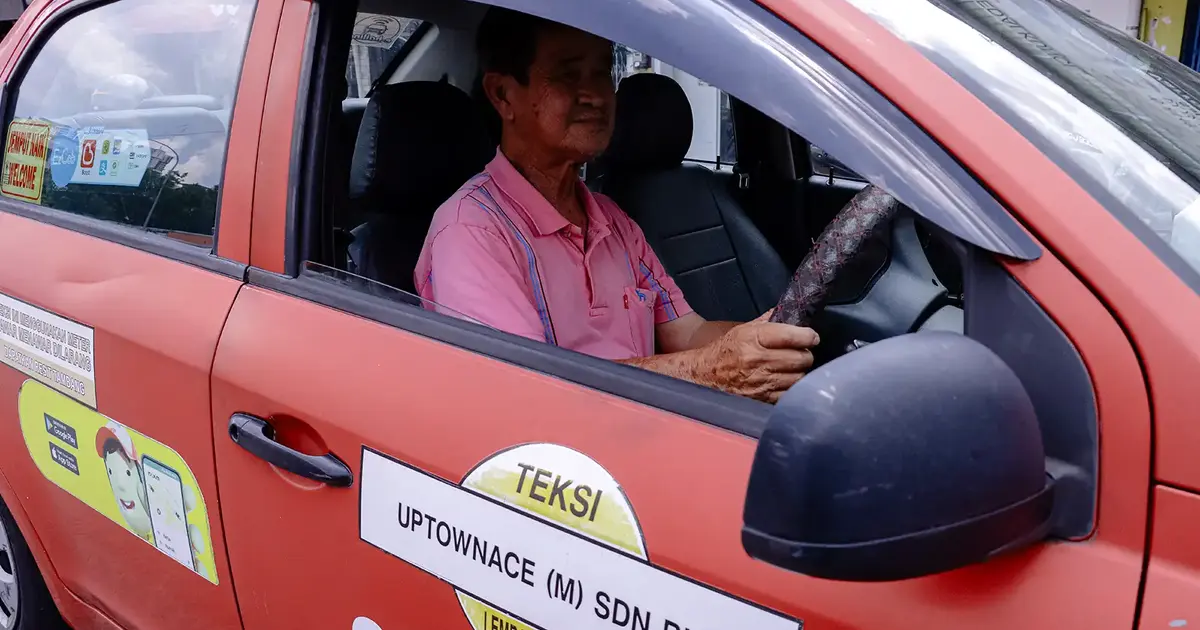
The Malaysian government has committed an additional RM10 million in support for the nation's taxi drivers, marking a recognition of their essential contribution to the country's transport infrastructure and tourism sector. Prime Minister Anwar Ibrahim announced the allocation while emphasizing the pivotal role these drivers play in representing Malaysia to international travellers, positioning them as vital ambassadors for the country's hospitality reputation.
Taxi drivers represent an often-overlooked segment of Malaysia's workforce, serving as one of the first points of contact for foreign visitors arriving at airports, hotels, and major tourist destinations. Their interactions shape crucial first impressions of Malaysia, influencing visitor perceptions of safety, professionalism, and service quality. By characterizing them as frontliners, the government acknowledges that these drivers contribute directly to the nation's image-building efforts and economic competitiveness in the global tourism market, which represents a significant revenue stream for Malaysia.
The additional funding allocation arrives at a time when the transport sector faces ongoing pressures from multiple directions. The proliferation of ride-hailing services, changing consumer preferences toward digital booking platforms, and shifting urban mobility patterns have collectively transformed the traditional taxi operating environment. This government intervention reflects an understanding that the conventional taxi sector requires targeted support to remain viable and competitive amid technological disruption and changing market dynamics.
Beyond immediate financial relief, the allocation signals a broader policy approach toward supporting traditional transport operators who have historically served as the backbone of Malaysia's ground transportation network. Taxi drivers often operate as independent contractors or small business owners, meaning they absorb operational costs including vehicle maintenance, fuel expenses, insurance, and licensing fees directly. Government support mechanisms can help stabilize their income streams and improve their capacity to maintain service standards.
For Malaysian commuters and visitors alike, a robust and well-supported taxi sector translates into improved service reliability, vehicle quality, and driver professionalism. When drivers face financial pressures, service quality can decline as operators defer maintenance, reduce operational hours, or exit the profession entirely. The government funding helps preserve this essential service layer that complements public transportation networks across major cities and transportation hubs throughout the country.
The timing of this announcement also reflects political sensitivity to the livelihoods of working-class Malaysians who form a crucial electoral constituency. Taxi drivers, numbering in the tens of thousands across the country, represent a significant occupational group with capacity to mobilize grassroots sentiment. Government support demonstrates responsiveness to their concerns, particularly during periods when alternative income sources may be limited and operational costs remain high regardless of passenger demand fluctuations.
This funding mechanism requires examination of its implementation framework and distribution methodology. Whether the RM10 million reaches drivers through direct cash transfers, subsidized fuel schemes, tax incentives, vehicle maintenance grants, or skills development programs will significantly determine its practical impact. Effective targeting ensures funds reach those most vulnerable to displacement from the sector, while avoiding inefficient dispersal that generates administrative overhead without addressing underlying economic pressures.
The announcement also intersects with Malaysia's tourism recovery narrative following pandemic-related disruptions. As international visitor numbers gradually return to pre-pandemic levels, enhancing the quality and reliability of ground transportation services becomes increasingly important for competitive positioning against regional destinations. Thailand, Vietnam, Indonesia, and other Southeast Asian competitors actively invest in transport sector improvements as part of their tourism enhancement strategies.
Further contextualizing this support, the taxi sector faces particular vulnerability to automation and digital transformation trends affecting transport globally. While autonomous vehicles remain years away from widespread deployment in Malaysia, ride-hailing platforms have already restructured how urban mobility operates. Protecting traditional taxi drivers represents a form of employment stability policy, ensuring workforce continuity in an occupation that provides livelihoods to individuals with varying educational backgrounds and skill sets who might otherwise struggle to transition into alternative sectors.
The allocation also suggests recognition of the informal bargaining power these drivers exercise through potential collective action or service disruptions if their concerns remain unaddressed. Transport strikes or work stoppages create visible disruptions to urban economies and tourism operations, generating political costs that governments seek to minimize. Proactive support measures serve preventative functions in maintaining industrial stability within the transport sector.
Looking forward, this announcement may establish a precedent for recurring support mechanisms, particularly if financial pressures on traditional taxi operations persist. Sustainable sector development likely requires complementary policies addressing licensing frameworks, technological adaptation, service standards, and pathway creation for workforce modernization rather than displacement.
The RM10 million commitment, while meaningful, must be evaluated within the broader context of a sector requiring ongoing strategic planning. Government support proves most effective when combined with long-term sector development strategies that enable taxi services to evolve and compete effectively within Malaysia's changing transport landscape while preserving employment opportunities for the workforce currently dependent on this occupation.

