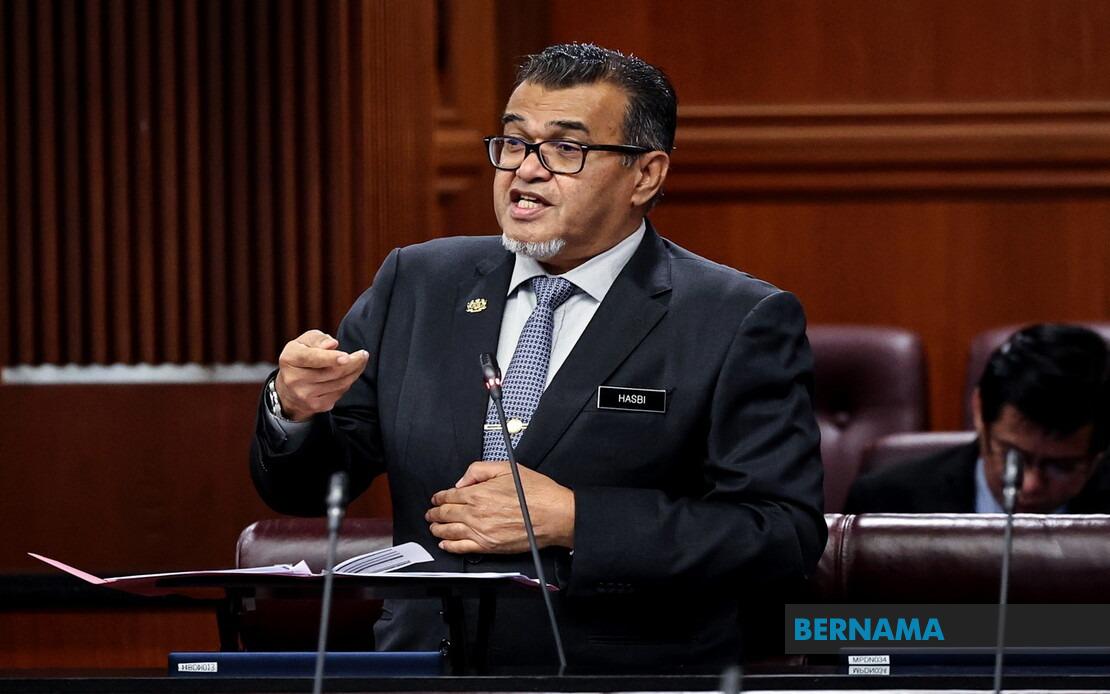
The Malaysian government is moving forward with comprehensive legislative reforms designed to combat persistent security threats to the nation's railway infrastructure, with amendments expected to reach Parliament before year's end. Speaking during question time in the Dewan Rakyat, Deputy Transport Minister Datuk Hasbi Habibollah outlined how the proposed changes would fundamentally reshape the legal framework governing railway asset protection, shifting away from the minimal deterrents currently in place.
Central to the government's concerns is the inadequacy of existing penalties, which have proved insufficient to discourage criminal activity. Under current law, trespassing on railway property carries only a fine of between RM500 and RM1,000—a sum that critics argue bears no relation to the sophistication and scale of modern cable theft operations. The government recognises that such lenient punishments fail to create meaningful consequences for offenders, particularly those engaged in organised theft rings that target railway infrastructure for resale to scrap metal dealers. The upcoming amendments will introduce substantially heavier penalties, particularly targeting cable thieves whose activities create serious security vulnerabilities across the rail network.
The scale of the problem has become increasingly apparent through official data. Over the past three years, authorities recorded 393 separate cable theft incidents affecting approximately 19,756 metres of cable infrastructure. The financial toll represents a concerning drain on railway resources, with estimated losses reaching RM16.3 million. These figures underscore how cable theft has evolved from isolated opportunistic crimes into a systematic problem affecting railway operations, maintenance schedules, and passenger safety across multiple regions. Each incident requires costly repairs and creates potential safety hazards for commuters and railway staff.
The legislative push forms only one component of a multi-pronged security strategy that acknowledges the criminal ecosystem supporting railway theft. Rather than focusing exclusively on punishing individual offenders, the government is targeting the supply chain that creates demand for stolen materials. Datuk Hasbi emphasised strategic collaboration with the Royal Malaysian Police, with particular attention directed toward scrap metal operators and dealers who unknowingly—or deliberately—purchase stolen goods. By working with these intermediaries to establish verification systems and discourage the purchase of materials lacking proper documentation, authorities aim to eliminate the financial incentive that drives cable thieves to target railway assets in the first place.
Technological solutions have emerged as a cornerstone of the renewed security framework. The Railway Assets Corporation has invested RM14 million in deploying 1,146 intelligent closed-circuit television systems across high-risk locations throughout the network. These are not conventional surveillance cameras but advanced units incorporating artificial intelligence capabilities designed to detect suspicious activity in real time, alert security personnel, and provide forensic evidence for criminal prosecution. The strategic placement of these systems reflects detailed analysis of theft hotspots and vulnerable sections, concentrating resources where criminal activity concentrates.
Complementing ground-based surveillance, aerial monitoring using drone technology has been introduced to patrol areas difficult or dangerous for personnel to access through conventional patrols. This innovation allows security teams to maintain presence in remote sections of track and identify potential intrusion points before criminals can exploit them. The combination of CCTV and drone surveillance creates layered monitoring that significantly increases the risk of detection for would-be thieves, thereby deterring criminal activity through certainty of apprehension rather than severity of punishment alone.
Enforcement capacity has also been bolstered through operational enhancements. Keretapi Tanah Melayu Berhad received approval to acquire 20 scrambler motorcycles for Auxiliary Police deployment, enabling rapid response to security incidents and enhanced mobile patrols across high-risk railway corridors. The motorcycles' agility and speed allow officers to reach remote sections quickly, interrupt crimes in progress, and establish visible security presence in vulnerable areas. This hardware acquisition represents investment in responsive rather than reactive security, moving beyond the traditional static guard posts that characterised railway protection previously.
For Malaysian readers, these developments carry implications extending beyond railway operations alone. Railway infrastructure underpins the nation's logistics networks, supporting both passenger services and cargo movement essential to economic activity. When cable theft disrupts signal systems or power distribution, the effects ripple across supply chains and commuter services. The government's comprehensive approach—combining legal deterrence, technological surveillance, supply chain disruption, and enforcement enhancement—demonstrates recognition that modern infrastructure protection requires multifaceted strategies rather than single-dimensional responses.
The timing of these reforms reflects intensifying pressure on Malaysia's transport systems as economic activity recovers and railway networks face increasing demand. Cable theft, while sometimes portrayed as opportunistic crime by individuals seeking quick cash, increasingly represents organised criminal enterprise with connections to broader illicit markets. The government's willingness to substantially upgrade penalties and invest in modern surveillance indicates acknowledgement that traditional approaches have failed to keep pace with the sophistication of contemporary theft operations. By targeting the entire ecosystem supporting cable theft—from the thieves themselves through dealers purchasing stolen goods—authorities are attempting to disrupt the economic logic that currently makes railway cable theft attractive to criminal organisations across the region.

