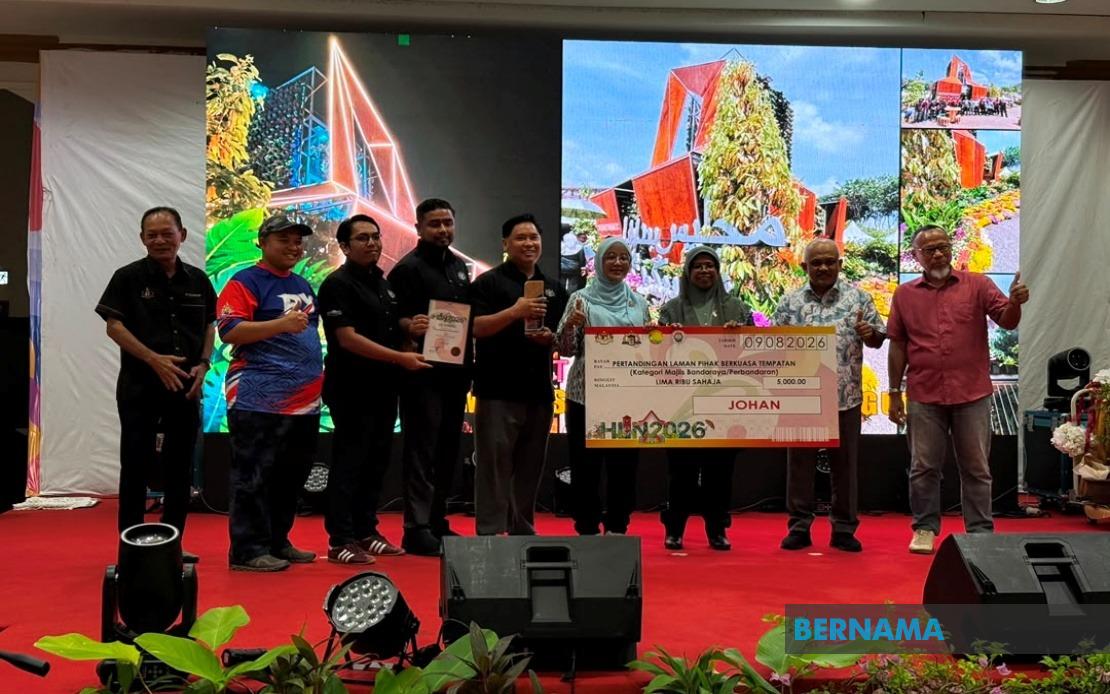
The Malaysian government is moving steadily toward establishing 1,000 MADANI Recreational Parks across the nation by 2030, marking an ambitious commitment to enhancing community leisure infrastructure. Speaking during National Landscape Day celebrations in Melaka, National Landscape Department director-general Mansor Mohamad disclosed that 216 parks had already been completed by 2025, with an additional 100 in various stages of construction during the current year. This steady pace suggests the government is on track to meet its deadline, though the scale of the undertaking underscores the logistical complexity of rolling out recreational facilities to underserved communities nationwide.
The initiative reflects a broader policy shift toward improving public health and quality of life in residential neighbourhoods. By anchoring these parks within communities rather than relegating them to distant locations, planners acknowledge that accessibility remains paramount for effective utilisation. The typical construction investment of RM400,000 to RM500,000 per facility demonstrates a substantial financial commitment, though the actual cost varies considerably depending on the site's dimensions and the specific design specifications tailored to local needs. This variability suggests that park designs are not one-size-fits-all, but rather adapted to suit the character and requirements of different communities, from urban centres to smaller towns.
A defining feature of the MADANI parks is their adherence to universal design principles, ensuring that people across the entire demographic spectrum can benefit from the facilities. This inclusive approach specifically accommodates children and teenagers seeking recreational outlets, working-age adults looking for fitness and leisure activities, senior citizens requiring accessible amenities, and persons with disabilities who often face barriers in conventional public spaces. Such intentional design represents a departure from traditional park development, which frequently overlooked the needs of marginalised groups. By prioritising accessibility from the outset, the MADANI programme acknowledges that equitable public space is a social imperative rather than an afterthought.
The timing of this initiative is particularly relevant for Malaysia, where rapid urbanisation and population growth have placed strain on existing recreational infrastructure. Many neighbourhoods lack adequate green spaces and leisure facilities, contributing to sedentary lifestyles and reduced community cohesion. The decentralised nature of the MADANI parks addresses this gap by placing facilities within walking distance of residents, thereby reducing barriers to participation based on transport costs or availability. For younger people in particular, access to quality recreational spaces can influence physical activity levels and mental wellbeing during formative years.
The National Landscape Day celebration held in Melaka underscored growing public interest in these facilities, with approximately 80,000 visitors attending the four-day event as of the penultimate day. Beyond the ceremonial aspects, the event functioned as a platform for landscape industry entrepreneurs to showcase and commercialise their products and services, effectively linking infrastructure development with economic opportunity. This dual purpose—civic improvement coupled with commercial activity—reflects pragmatic policymaking that recognises how public investment can stimulate private sector growth in allied industries.
Deputy Housing and Local Government Minister Datuk Aiman Athirah Sabu's involvement in the proceedings indicates that park development falls within a broader housing and local governance agenda. This administrative positioning suggests the parks are conceived not merely as aesthetic amenities but as integral components of neighbourhood planning and residential development. When parks are planned in tandem with housing initiatives, they can serve multiple functions: mitigating environmental impact, providing stormwater management solutions, and enhancing property values in surrounding residential areas.
The commitment to continue identifying suitable locations and gathering stakeholder feedback for future parks demonstrates an iterative approach to implementation. Rather than imposing a centralised blueprint, the government appears open to incorporating local insights and preferences, which typically improves adoption rates and long-term maintenance. Communities that feel ownership over facility planning tend to demonstrate greater stewardship, reducing vandalism and ensuring sustained use. This consultative methodology, while potentially slower than top-down implementation, builds legitimacy and social investment in the outcome.
From a regional perspective, Malaysia's MADANI parks initiative positions the country as a leader in innovative community-centred infrastructure within Southeast Asia. Singapore's extensive park system and Thailand's growing urban green spaces provide regional benchmarks, yet Malaysia's emphasis on universal design and cost-effective deployment across diverse communities offers a scalable model for lower-middle-income nations grappling with similar infrastructure deficits. The programme demonstrates that quality recreational facilities need not be prohibitively expensive or architecturally complex to deliver tangible social benefits.
Looking ahead, the success of this initiative will depend on sustained funding, professional maintenance, and programming that maximises utilisation. Parks that lack adequate upkeep or programming tend to deteriorate and attract undesirable activities. The government will need to ensure that construction is coupled with operational budgets and community management structures. Additionally, as climate change intensifies in the region, parks designed with climate resilience in mind—incorporating shade structures, water harvesting systems, and native plantings—will prove more durable and beneficial. Whether the MADANI programme fully integrates such environmental considerations remains to be clarified as implementation accelerates toward the 2030 target.

