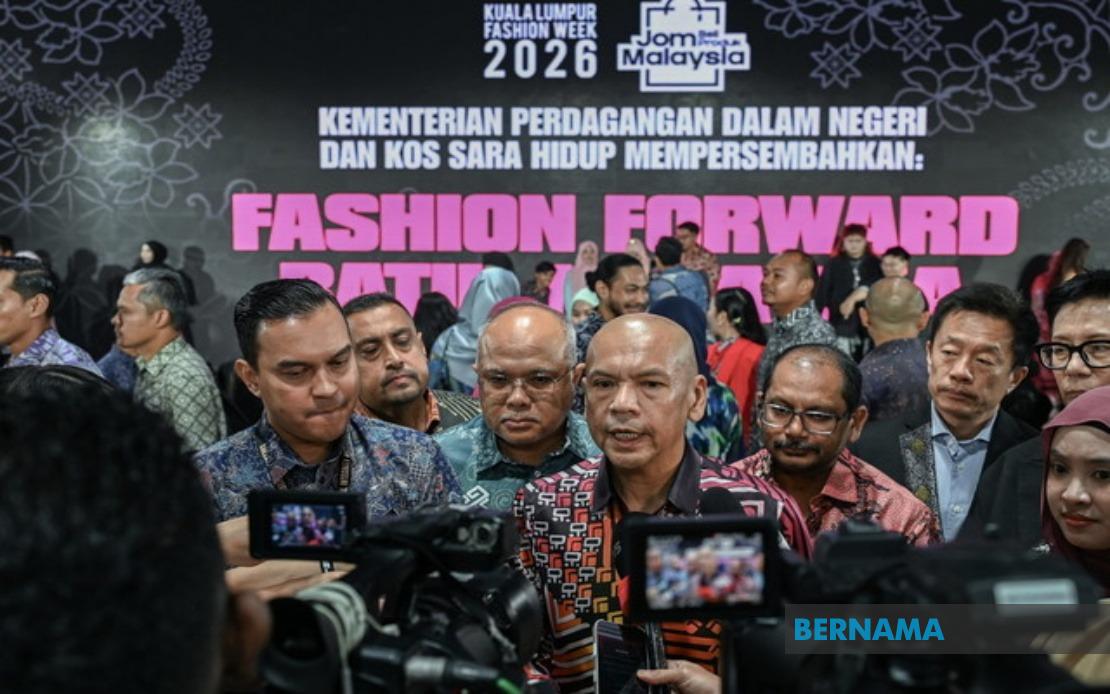
The Malaysian government is opening a consultation window for industry players, entrepreneurs, and civil society to shape its strategy on promoting domestically produced goods. Domestic Trade and Cost of Living Minister Datuk Armizan Mohd Ali announced that KPDN will accept submissions from all interested parties to ensure that emerging policies and strategies genuinely reflect the practical needs and concerns of businesses across the country. These proposals will be consolidated and presented to the Cabinet Committee tasked with empowering local product adoption, which is expected to convene for its inaugural meeting in the coming weeks.
The inclusive approach marks a deliberate shift in how government coordinates its domestic product agenda. Rather than allowing individual ministries and agencies to pursue separate initiatives without alignment, the new Cabinet Committee structure seeks to create synergy across government entities. Armizan highlighted that this coordinated approach is essential for moving away from siloed operations where different departments unknowingly work at cross-purposes. By centralizing direction-setting while incorporating grassroots feedback, the government hopes to develop coherent strategies that can actually be implemented by businesses and enforced by regulators without contradicting signals from other agencies.
The Cabinet Committee, which was formally established in July, operates under the chairmanship of Deputy Prime Minister Datuk Seri Fadillah Yusof, with KPDN serving as its administrative backbone. The committee's membership spans multiple economic portfolios, including the Ministry of Economy, the Ministry of Investment, Trade and Industry, the Ministry of Tourism, Arts and Culture, the Ministry of Entrepreneur Development and Cooperatives, and the Finance Ministry, along with various supporting agencies. This breadth of representation acknowledges that promoting local products cannot be confined to trade policy alone but must be woven through tourism promotion, cultural development, entrepreneurship support, and investment frameworks.
One pressing concern animating this initiative is the mounting frustration among local entrepreneurs regarding the influx of foreign products into Malaysian markets, particularly through digital commerce platforms. The proliferation of imported goods sold online has created an asymmetrical competitive environment where foreign sellers can leverage international supply chains and economies of scale that domestic producers struggle to match. Armizan acknowledged these anxieties directly, framing the committee's work partly as a response to legitimate grievances about market flooding. This recognition suggests that policy responses may eventually extend beyond promotional campaigns to include trade protection measures or regulatory frameworks governing online marketplaces.
The government is leveraging cultural events and industry platforms to advance this agenda. KPDN's strategic partnership with Kuala Lumpur Fashion Week, specifically around the Fashion Forward Batik segment, exemplifies this approach. Rather than imposing top-down mandates on consumers or retailers, the ministry is working with established fashion institutions to elevate local batik and other domestically produced items on the international stage. The KLFW generated USD32 million in media value last year, demonstrating its capacity to project Malaysian products into global consciousness and create genuine market opportunities beyond domestic shores. By aligning local product promotion with genuine cultural and commercial events, the government positions such efforts as organic industry development rather than artificial protectionism.
The cultural and creative industries themselves represent a significant economic engine that merits this policy attention. According to the 2024 Cultural and Creative Satellite Account Report, these sectors contributed RM130.7 billion to Malaysia's gross domestic product, representing 6.8 percent of total GDP. Batik production and fashion design sit at the intersection of cultural heritage preservation and economic value creation, making them particularly strategic for government investment and promotion. Strengthening these industries through improved market access and international visibility can simultaneously achieve economic diversification, cultural preservation, and employment generation across multiple regions.
The Jom Beli Produk Malaysia (JOM MALAYSIA) movement provides the broader framework within which these specific initiatives operate. This collaborative initiative between government and industry players aims to create systematic preference for local products across consumer and commercial purchasing decisions. Unlike previous campaigns that relied primarily on patriotic appeals, JOM MALAYSIA attempts to build lasting competitive advantages for local products through market access improvements, branding investments, and supply chain optimization. The partnership model with the fashion industry demonstrates how this can work in practice, creating mutual value for government objectives and commercial enterprises.
For Malaysian entrepreneurs, the opportunity to submit feedback directly to a Cabinet-level committee represents genuine access to policymaking. Small and medium enterprises that face daily challenges in competing with imported alternatives can now articulate their concerns to officials who control regulatory, promotional, and investment levers. This could yield specific policy interventions addressing regulatory barriers, access to finance, technology transfer, or digital commerce infrastructure. Alternatively, it may simply result in better-designed promotional campaigns, but the consultation process itself signals that government views local business concerns as legitimate inputs to strategy formulation rather than obstacles to policy implementation.
The timing of this initiative reflects broader economic anxieties about import dependency and trade imbalances. As regional trade dynamics shift and supply chains continue their post-pandemic realignment, reducing reliance on imported goods while expanding globally competitive domestic production capabilities has become mainstream policy concern across Southeast Asia. Malaysia's approach combines market-based mechanisms through expanded access and event promotion with coordinated government support, attempting to avoid both unilateral protectionism and passive acceptance of market outcomes. The success of this approach will depend heavily on whether stakeholder feedback generates implementable ideas and whether different government agencies can truly operate in concert rather than simply going through coordination motions.
The decision to accept stakeholder proposals before the committee's first meeting suggests that policymakers recognize the knowledge gaps in existing government institutions regarding practical implementation challenges. Officials in Putrajaya can articulate national economic objectives, but entrepreneurs managing supply chains, managing inventory, competing for shelf space, and servicing customers possess irreplaceable information about what policies would actually change behavior. By institutionalizing this feedback mechanism before rather than after policy decisions, KPDN is potentially positioning itself to develop more robust and commercially realistic strategies. Whether this inclusive approach will translate into the kind of coordinated implementation that genuinely shifts purchasing patterns and competitive dynamics remains to be seen.

