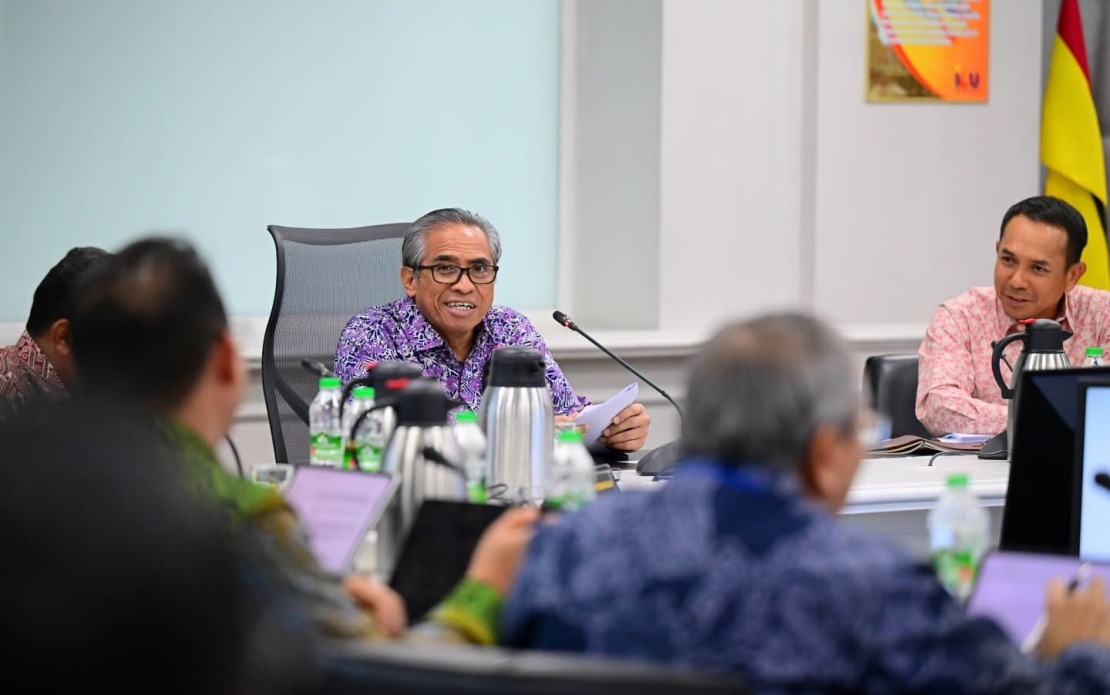
The Malaysian government has set its sights on rapidly rolling out tens of thousands of grassroots development initiatives across the country, marking a strategic shift toward delivering visible infrastructure improvements that directly touch the lives of ordinary citizens. Chief Secretary to the Government Tan Sri Shamsul Azri Abu Bakar issued a directive to all ministry secretaries-general requiring them to concentrate their efforts on expediting the implementation of over 40,000 identified small-scale projects that have been catalogued for nationwide execution.
Shamsul Azri outlined the decision following a meeting of the National Development Action Committee, which he presided over, indicating that the acceleration of these smaller projects represents a deliberate policy approach within government circles. The decision reflects a recognition that while mega-infrastructure projects require longer gestation periods and substantial capital allocations, smaller targeted interventions can generate immediate public satisfaction and demonstrate tangible governance benefits within compressed timeframes.
The directive encompasses a spectrum of community-focused initiatives that resonate with everyday concerns facing Malaysian households and businesses. Road rehabilitation efforts, drainage system upkeep, refurbishment of government residential quarters, classroom repairs in schools, enhancements to medical facilities, and improvements to public market infrastructure and stall conditions have all been identified as priority areas. This portfolio approach suggests a deliberate attempt to address maintenance backlogs and quality-of-life issues that have accumulated across multiple government agencies.
A critical advantage underpinning this strategy lies in the timeline expectations. Shamsul Azri indicated that the vast majority of these projects can reach completion within a three to six-month window, a compressed delivery schedule that contrasts sharply with typical large-scale development cycles. This accelerated implementation enables government agencies to channel benefits to communities in the near term, creating observable improvements that citizens can experience and attribute to current governance priorities.
The accompanying instructions require secretaries-general to move beyond passive oversight roles and adopt more hands-on management approaches. Site visits, close monitoring of implementation progress, and proactive problem-solving mechanisms at ground level have been mandated, signalling that successful delivery will hinge on sustained engagement rather than bureaucratic paper-pushing. This supervisory framework attempts to identify and remove blockages—whether logistical, financial, or administrative—that might otherwise impede project completion.
For Malaysian citizens, this initiative carries several implications. The emphasis on road repairs and drain maintenance targets critical infrastructure that affects daily mobility and public health. School classroom repairs directly impact the learning environment for students, while healthcare facility upgrades enhance service quality in the medical system. Market improvements support informal traders and small vendors who form the backbone of many local economies, particularly in secondary cities and rural townships where formal retail infrastructure remains limited.
The political dimensions of this approach warrant consideration as well. By channelling attention toward small, visible projects with near-term completion dates, the government creates opportunities for regular good-news announcements and community engagement at the local level. These initiatives function as touchstones that illustrate responsiveness to public needs, contrasting with lengthy development timelines that may test public patience. In Malaysian political contexts where state and federal governments compete for public favour, such delivery mechanisms can significantly influence perceptions of administrative effectiveness.
From a regional perspective, Malaysia's strategy of emphasising smaller development projects echoes approaches adopted by other Southeast Asian nations seeking to demonstrate development momentum without waiting for capital-intensive mega-projects to mature. Countries including Indonesia, the Philippines, and Thailand have similarly experimented with rapid-deployment small-scale infrastructure programmes as mechanisms for improving service delivery and local economic activity.
The coordination mechanism represented by the National Development Action Committee suggests an attempt to create cross-agency alignment on implementation priorities. With multiple ministries and government bodies responsible for different project categories, synchronising efforts and resolving inter-agency complications becomes essential. The emphasis on secretaries-general conducting site visits and monitoring reflects a recognition that communication gaps and implementation delays often originate from insufficient coordination between central planning bodies and field-level executing agencies.
The geographic distribution of these 40,000 projects remains an important consideration for Malaysian policy implementation. Ensuring equitable allocation between urban and rural areas, between developed and developing states, and between different regional priorities will likely influence both the political reception and the tangible development outcomes. The selection criteria for determining which projects advance within this expanded programme deserve scrutiny to confirm that resource allocation reflects genuine needs rather than political considerations.
Successful execution of this initiative would position the Malaysian government to demonstrate that it can translate policy directives into measurable improvements within communities. The compressed timeline creates accountability mechanisms whereby delays or non-completion become immediately apparent. Conversely, efficient delivery could establish momentum for broader administrative reform and empower mid-level bureaucrats to advocate for streamlined implementation procedures that reduce unnecessary procedural steps.
The sustainability of this approach also merits examination. While completing 40,000 projects within three to six months represents an ambitious undertaking, maintaining momentum on subsequent tranches of development work will require sustained budgetary commitments and bureaucratic focus. The government's ability to replicate this performance across multiple implementation cycles will ultimately determine whether this initiative becomes a permanent feature of governance architecture or remains a one-time acceleration effort.

