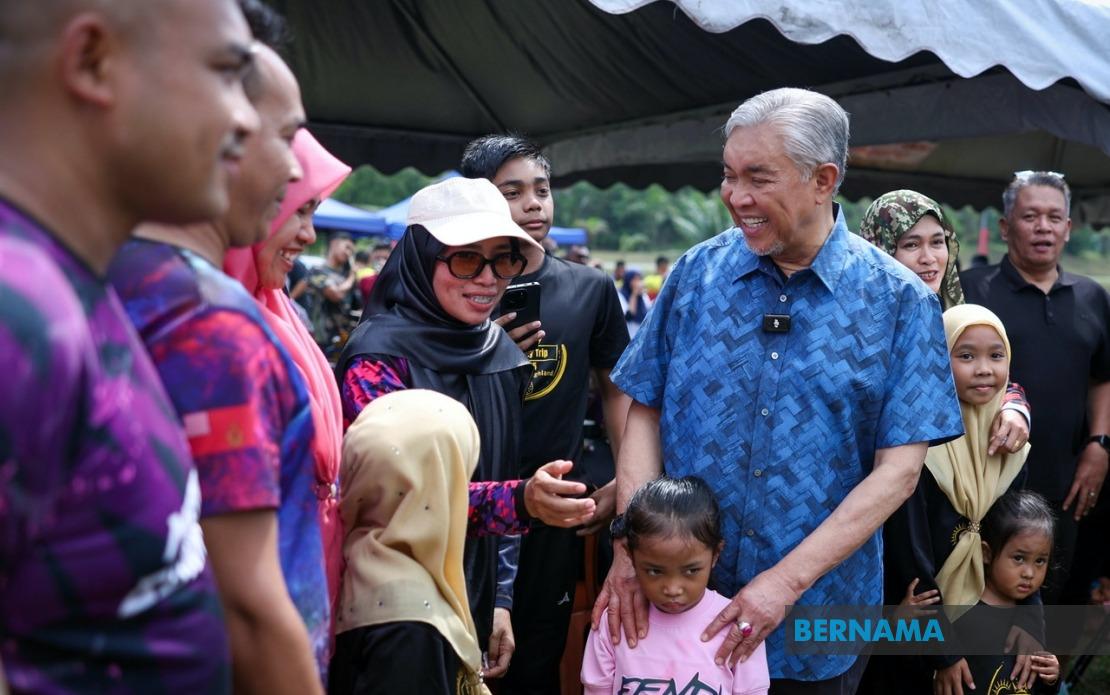
The Malaysian government is placing significant emphasis on comprehensive welfare schemes for armed forces personnel, viewing such investments as essential to maintaining operational effectiveness in national defence. Deputy Prime Minister Datuk Seri Dr Ahmad Zahid Hamidi outlined this strategic approach at the Southern Zone ATM Family Day Carnival held at Kem Syed Sirajuddin in Tampin, underscoring that service members perform optimally when their families' fundamental needs are addressed.
The welfare initiative encompasses three interconnected pillars: housing provision, educational support for military children, and broader family well-being programmes. Ahmad Zahid stressed that prioritising these elements represents a core governmental responsibility, not merely a discretionary benefit. The rationale underlying this approach reflects an understanding that personnel distracted by domestic concerns—inadequate housing, children's schooling challenges, or financial strain—cannot dedicate full cognitive and emotional resources to defence operations. This perspective aligns with international military best practices, where personnel welfare directly correlates with unit cohesion, retention rates, and operational readiness.
A flagship component of the welfare strategy involves constructing 1,300 Military Family Housing units at Kem Syed Sirajuddin in Gemas. This substantial infrastructure project addresses a longstanding challenge within Malaysia's defence establishment: the shortage of adequate military residential accommodation. Beyond mere shelter provision, such housing developments typically incorporate community facilities, reducing service members' living expenses and facilitating social networks among military families. The scale of this initiative—1,300 units—suggests a commitment to addressing housing backlogs affecting thousands of personnel and their dependents across the armed forces.
Educational support represents another critical dimension of the welfare framework. The government has committed to improving school transport arrangements for military children, recognising that safe, reliable commuting removes a significant source of parental concern and logistical burden. Ahmad Zahid articulated the rationale explicitly: when service members have confidence that their children receive quality education and safe transport, they can concentrate on their professional responsibilities. This investment in educational infrastructure also carries broader social benefits, potentially improving outcomes for military families and contributing to human capital development within communities surrounding military installations.
Prime Minister Datuk Seri Anwar Ibrahim reinforced this governmental commitment in a separate statement, allocating RM844 million from this year's housing services budget toward upgrading and developing military family housing nationwide. This substantial financial commitment demonstrates that welfare initiatives are not peripheral programmes but central to government expenditure priorities. The allocation encompasses both new residential construction and infrastructure upgrades at military camps, signifying a comprehensive approach to improving living conditions across the armed forces establishment rather than isolated, piecemeal improvements.
The timing and emphasis of these announcements reflect broader recognition that military personnel contribute disproportionately to national stability and security. Ahmad Zahid acknowledged the sacrifices inherent in military service, noting that armed forces members have historically defended national sovereignty during armed conflicts while continuously maintaining peace and security. This recognition carries implicit acknowledgment that such service often demands personal sacrifice, including deployment separation from families, occupational hazards, and professional demands that can strain domestic life. Positioning welfare investments as recognition of these sacrifices frames such spending as morally justified compensation rather than mere entitlement.
From a regional perspective, Malaysia's emphasis on military personnel welfare carries strategic implications for Southeast Asian security dynamics. A military establishment with well-supported, satisfied personnel demonstrates greater stability and professionalism, enhancing regional confidence in Malaysia's defence capabilities. Conversely, armed forces burdened by personnel welfare crises often experience morale problems, retention challenges, and reduced operational effectiveness. By investing substantially in housing, education, and family support, Malaysia signals commitment to maintaining a capable defence force capable of addressing regional security challenges and contributing to maritime security in the Straits of Malacca and South China Sea.
The welfare initiatives also address economic considerations within military communities. Defence personnel typically earn modest salaries relative to civilian counterparts, creating financial pressures that government housing and educational support can substantially alleviate. When armed forces members spend less on private housing and education costs, disposable income increases, stimulating local economies in communities surrounding military installations. This economic stimulus can have multiplier effects, benefiting local businesses and contributing to regional development in areas where military facilities concentrate.
Implementing these welfare programmes successfully requires sustained commitment and effective administration. Housing construction timelines, educational facility development, and transport logistics demand coordination across government agencies and private contractors. Delays or quality deficiencies could undermine the credibility of governmental commitments and diminish the morale-boosting effects intended. The Southern Zone ATM Family Day Carnival itself represents attempts to demonstrate governmental responsiveness to military family concerns, providing platforms where service members and dependents can voice concerns and experience appreciation for their contributions.
Looking forward, the scale of welfare investment indicates that Malaysia's government recognises military readiness as inseparable from personnel welfare. This perspective contrasts with approaches that treat welfare as secondary to equipment procurement or operational training. While defence spending inevitably involves balancing various priorities, the substantial allocation toward housing and family support suggests deliberate policy choice. Whether these investments translate into measurable improvements in retention rates, unit morale, and operational effectiveness will likely shape defence policy approaches in subsequent government terms, particularly if Malaysia faces intensified regional security pressures requiring sustained military commitment and enhanced readiness.

