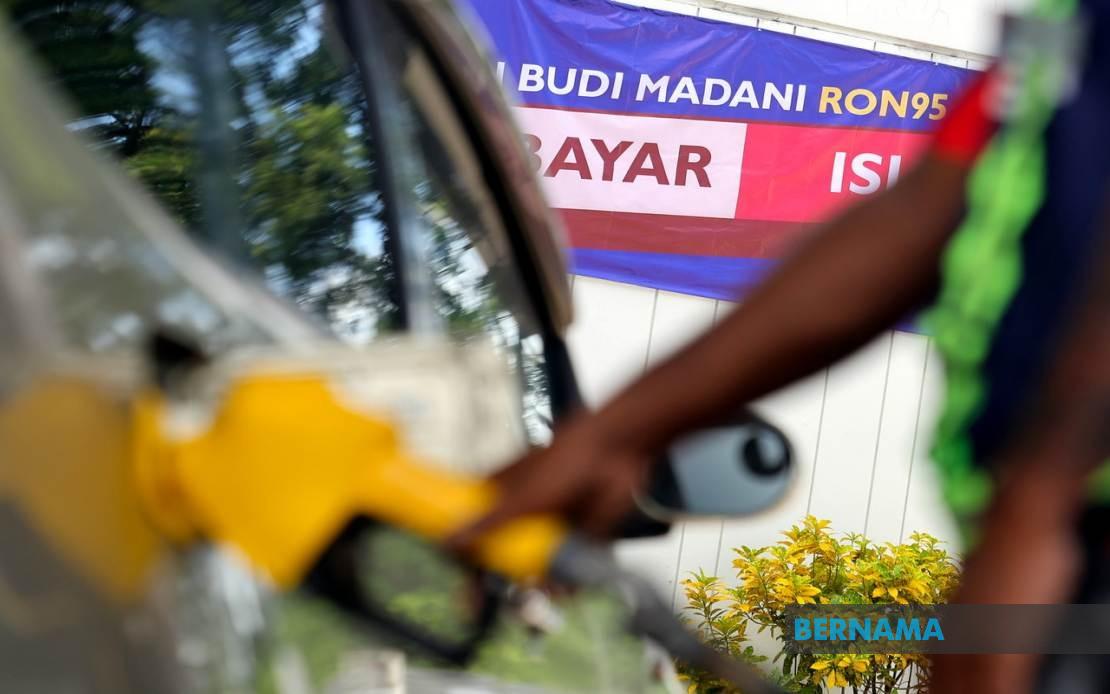
The Malaysian government has reversed a planned reduction in subsidised fuel allocations, announcing the restoration of the basic monthly quota under the BUDI MADANI RON95 programme to 300 litres per month. Prime Minister Datuk Seri Anwar Ibrahim made the announcement during the National Day address at the Putrajaya International Convention Centre, signalling a policy shift that affects the country's vast population of fuel subsidy beneficiaries.
The decision addresses concerns raised by ordinary Malaysians following an earlier announcement in March that outlined plans to tighten fuel allocations. Back then, the government had indicated the BUDI95 quota would be reduced from 300 litres to 200 litres monthly from April 1, 2026, a move attributed to broader geopolitical pressures including the conflict in West Asia and associated economic uncertainties. That reduction would have represented a 33 percent cut in monthly allocations, prompting widespread discussion about the burden on households and small businesses dependent on affordable fuel access.
The restoration of the 300-litre threshold will now benefit more than 16 million registered users of the subsidised RON95 fuel programme. This represents a significant portion of Malaysia's adult population and reflects the programme's reach across urban and rural communities. The decision suggests the government has reconsidered the earlier cost-cutting approach, perhaps recognising the political and social implications of reducing fuel subsidies amid ongoing economic pressures on Malaysian households.
Beyond the headline BUDI95 adjustment, the government has also enhanced provisions for a separate category of vehicle owners. More than half a million eligible proprietors of diesel-powered pick-up trucks and jeeps will receive allocations of up to 400 litres of subsidised Budi Diesel per month. This provision acknowledges the distinct needs of commercial and semi-commercial vehicle operators, particularly those engaged in agricultural, transportation, and construction sectors who depend heavily on diesel fuel for their livelihoods.
The price of subsidised RON95 fuel remains anchored at RM1.99 per litre, unchanged since the March announcement. This price stability provides predictability for consumers and small businesses relying on fuel budgets, though it raises questions about the government's underlying subsidy commitment and fiscal implications. Malaysia's fuel subsidy programme represents a substantial budgetary commitment, and maintaining both quota levels and prices requires careful financial management alongside broader economic priorities.
The BUDI MADANI system itself represents Malaysia's targeted approach to fuel subsidies, designed to channel benefits directly to ordinary Malaysians rather than applying universal price controls. Under this mechanism, registered users receive monthly allocations at the subsidised rate, with consumption beyond the quota subject to market pricing. This structure attempts to balance affordability for essential users with fiscal sustainability, though it has occasionally faced criticism from those arguing the system is either too restrictive or administratively cumbersome.
The restoration comes amid a broader context of global energy market volatility and regional geopolitical uncertainty. The West Asia conflict referenced in the government's earlier March statement continues to create unpredictability in oil markets. Malaysia, as an energy-exporting nation, faces competing pressures: supporting vulnerable consumers through subsidies while managing fiscal resources and maintaining macroeconomic stability. The decision to restore quotas suggests the government has weighted social stability and public welfare more heavily in this particular policy recalibration.
For Malaysian consumers and businesses, the restoration provides relief from what would have been a substantial squeeze on transportation costs and economic activity. Small traders, delivery services, and rural communities particularly depend on predictable fuel costs for operational planning. The ability to access 300 litres monthly at RM1.99 per litre effectively subsidises transportation expenses for those relying on personal vehicles for commerce or daily livelihood activities.
The policy reversal also reflects political considerations inherent in managing subsidies in a democracy. Fuel price increases and quota reductions frequently generate public discontent and criticism, as fuel costs cascade through the economy affecting everything from transport to food prices. By restoring the quota before the planned April 2026 implementation date, the government has averted what could have been a contentious policy adjustment during an election cycle or period of heightened economic sensitivity.
Regional observers noting Malaysia's subsidy policies should understand that such programmes carry significant implications for government budgets and inflation management. Unlike some neighbouring economies that have moved toward subsidy rationalisation, Malaysia has maintained relatively generous fuel support mechanisms. This approach reflects different policy priorities and fiscal capacities, though it raises long-term questions about sustainability and whether resources might be more efficiently deployed through alternative social support mechanisms.
The restoration also raises questions about future policy direction. If geopolitical or economic conditions shift further, whether the government would again consider reductions remains uncertain. The earlier March announcement established a precedent that quota cuts could be implemented, even if subsequently reversed. This creates some ambiguity for consumers and businesses attempting to plan around fuel costs and availability.
For the broader Southeast Asian region, Malaysia's continued emphasis on fuel subsidies contrasts with approaches taken elsewhere. While some nations have progressively reduced subsidies to improve fiscal positions and encourage efficiency, Malaysia's restoration reflects a commitment to protecting purchasing power among its population. This choice shapes competitiveness of Malaysian industries and affects cost structures for manufacturing and trade that engage with regional supply chains.

