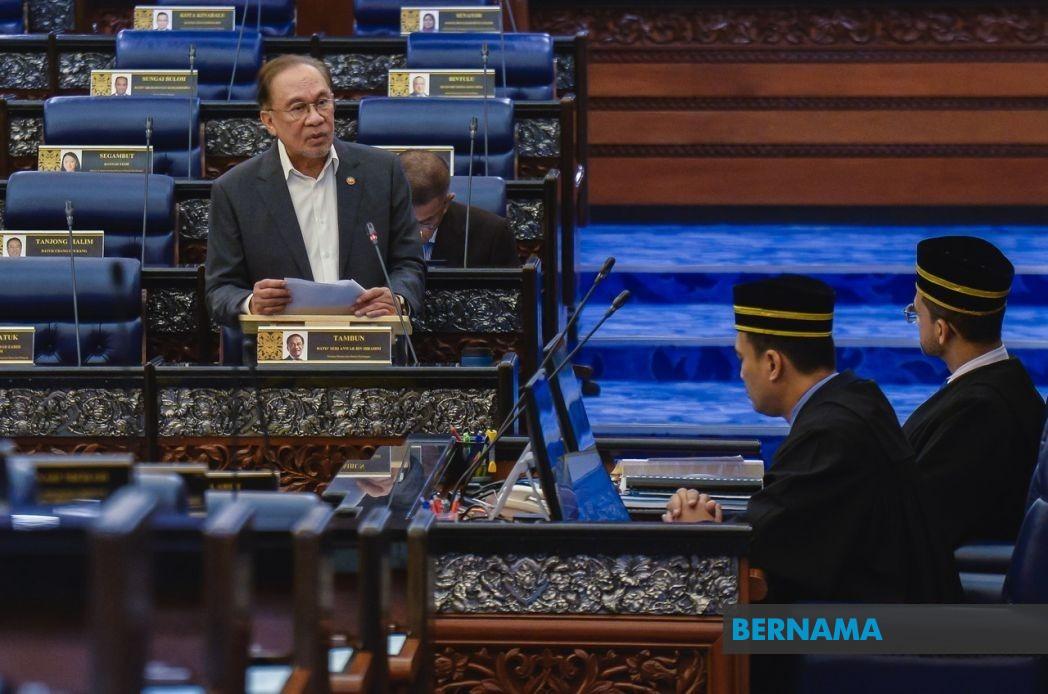
Prime Minister Datuk Seri Anwar Ibrahim has pledged to examine claims that petrol station operators incurred substantial losses during the implementation of Malaysia's enhanced targeted fuel subsidy framework. The directive came during Minister's Question Time in the Dewan Rakyat on July 7, when Anwar acknowledged the need for a comprehensive review of the transition period's financial impact on retailers across the country.
The controversy centres on allegations raised by Ipoh Timur MP Howard Lee Chuan How, who contended that petrol station operators suffered losses estimated between RM40,000 and RM50,000 per outlet during the shift to the new subsidy mechanism. This transitional period, which saw the government introduce its targeted RON95 petrol and diesel subsidy scheme, created operational challenges for retailers managing fuel pricing adjustments and inventory management across their networks.
Anwar, who simultaneously holds the Finance portfolio, tasked Datuk Seri Amir Hamzah Azizan, the Second Finance Minister, with gathering comprehensive details and initiating substantive dialogue with major oil companies regarding the alleged losses. The Prime Minister emphasised that the government valued the collaborative approach demonstrated by both petroleum corporations and independent station operators throughout the implementation process, acknowledging their instrumental role in ensuring the programme's successful rollout.
The targeted subsidy approach represents a strategic shift in Malaysia's fuel pricing policy, moving away from blanket subsidies toward means-tested support designed to reach lower-income consumers more efficiently. However, the transition mechanisms involved in phasing from the previous system to the new structure created temporary market dislocations, particularly for independent petrol station proprietors with smaller profit margins. These retailers, unlike vertically integrated oil majors, lack the internal financial flexibility to absorb short-term losses during systemic transitions.
Anwar's measured response suggests the government recognises legitimate grievances whilst maintaining its commitment to the broader subsidy reform agenda. By directing the Second Finance Minister to conduct detailed investigations, the administration signals willingness to remediate identified injustices whilst preserving policy credibility with key stakeholders. The Prime Minister framed any potential adjustments as technical refinements rather than policy reversals, emphasising that solutions would emerge from collaborative problem-solving with industry partners.
The political implications for Malaysia extend beyond immediate petrol station concerns. Small and medium-sized enterprises operating fuel retail outlets represent a significant voter constituency, and their financial distress during transitional periods can generate considerable grassroots discontent. The government's responsiveness to these concerns demonstrates awareness of the delicate political economy surrounding energy subsidies, an issue historically capable of mobilising public opinion against administrations perceived as indifferent to consumer welfare.
For Malaysian consumers, the targeted subsidy mechanism aims to deliver more sustainable fuel pricing whilst reducing fiscal burdens on the national budget. However, retail operators' financial viability directly affects service quality, network coverage, and accessibility in less profitable markets. Unresolved losses among retailers could lead to station closures in rural or lower-income areas, ultimately undermining the policy's intended equity objectives. Thus, addressing operator concerns becomes essential for policy sustainability rather than mere corporate accommodation.
The government's approach reflects broader Southeast Asian trends in subsidy reform, as regional governments balance fiscal discipline against social welfare obligations. Indonesia, Thailand, and Vietnam have similarly grappled with transition costs when restructuring fuel subsidy frameworks. Malaysia's willingness to investigate specific grievances rather than dismissing them wholesale suggests a governance approach prioritising stakeholder engagement over technocratic imposition.
Industry observers note that the investigation's findings could establish precedent for how future policy transitions are managed across Malaysian commerce and government. If the review confirms significant operator losses and the government implements compensatory mechanisms, it would signal that distributional consequences merit serious consideration during policy implementation. Conversely, if the investigation concludes that losses were temporary or manageable, it would provide the administration with empirical grounds for defending the transition's overall reasonableness.
The Second Finance Minister's engagement on this matter underscores energy subsidies' continued prominence in Malaysia's fiscal and political framework. Despite economic development, fuel pricing remains extraordinarily sensitive, reflecting both middle-class consumption patterns and lower-income households' vulnerability to energy cost fluctuations. Government responsiveness to petrol station operator grievances acknowledges this reality whilst attempting to navigate the tension between fiscal sustainability and retail sector viability.
Moving forward, the dialogue initiated by the government offers opportunity for constructive engagement between policymakers, oil majors, and independent retailers regarding future transition mechanisms. By institutionalising consultation processes and potentially establishing compensation frameworks for unavoidable transitional losses, Malaysia could develop a model that combines reform ambition with stakeholder protection. Such an approach would distinguish Malaysian subsidy management from more adversarial models elsewhere in the region.

