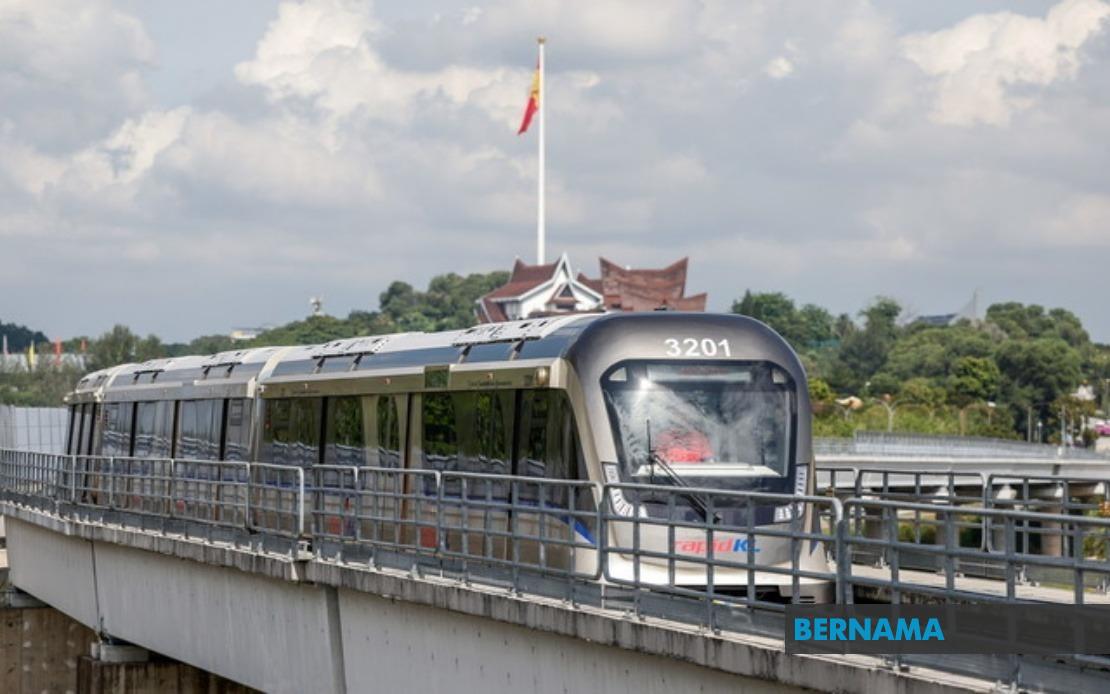
The MADANI Government has signalled its intention to seek a formal audience with Sultan Sharafuddin Idris Shah, the Ruler of Selangor, to address mounting concerns about the trajectory and delivery of the LRT3 Shah Alam Line. Transport Minister Anthony Loke confirmed the approach will take place in response to recent public comments from the Sultan regarding cost escalations and persistent project delays. Speaking at a charity gathering in Kuala Lumpur on July 2, Loke acknowledged the weight of the royal concerns, pledging that the government would use the opportunity to furnish comprehensive clarification on the troubled transit initiative.
The Sultan's intervention represents significant scrutiny of a project that has become emblematic of Malaysia's infrastructure challenges. In his remarks, Sultan Sharafuddin outlined a troubling chronology of disruptions affecting the LRT3 development. The project experienced a suspension lasting more than 18 months following the transition in federal administration in 2018, then encountered a further 19-month interruption from 2020 to 2021 due to the COVID-19 pandemic. These cascading delays have necessitated substantial reductions to the original blueprint, with planners forced to downsize individual station facilities and trim the intended fleet of train carriages. Most starkly, five strategically positioned stations originally earmarked for the alignment were completely scrapped from the final plans.
Crucially, the Sultan reframed the LRT3 initiative as a project fundamentally focused on serving the broader community rather than showcasing governmental accomplishment. This framing carries implicit weight in the Malaysian context, where royal perspectives on public initiatives carry considerable symbolic authority and shape public discourse. The Ruler's emphasis that LRT3 should benefit ordinary citizens—particularly Selangor residents dependent on efficient urban mobility—underscores expectations that transport infrastructure remain practical and responsive to genuine commuter needs rather than driven by prestige considerations. The government's willingness to seek an audience suggests recognition that the project's credibility has become intertwined with royal approval.
The LRT3 Shah Alam Line represents a critical component of the Klang Valley's transport architecture. Originally conceived to provide direct connectivity between Shah Alam and central Kuala Lumpur, the project has attracted consistent public interest and speculation. The successive delays and modifications have fuelled questions among Selangor residents about whether the final product will adequately address the region's traffic congestion challenges. The reduction in station numbers and train capacity raises concerns that the attenuated version may fall short of addressing the transport demands that prompted the initiative's inception.
Loke's presence alongside prominent Pakatan Harapan figures including Communications Minister Datuk Fahmi Fadzil and Johor State Election director Datuk Seri Amirudin Shari underscores the political dimensions of the commitment. The timing of this pledge—at a gathering focused on the Johor State Election campaign—reflects the government's sensitivity to infrastructure delivery as an electoral issue. Voters increasingly scrutinise tangible public works outcomes when assessing government performance, making projects like LRT3 significant barometers of administrative competence.
Beyond the LRT3 matter, Loke announced a separate initiative aimed at facilitating electoral participation in the forthcoming Johor poll. The Transport Ministry has coordinated with Keretapi Tanah Melayu Berhad (KTMB) to substantially increase the frequency of the Electric Train Service (ETS) operating between Kuala Lumpur and Johor Bahru. This logistical enhancement is deliberately designed to reduce barriers for outstation voters seeking to return to Johor for the July 11 election. The expanded service will provide additional connections to intermediate destinations including Segamat and Labis, benefiting commuters relocating from other regions within Peninsular Malaysia.
The strategic focus on facilitating northern voters' access to Johor polling stations reflects awareness that turnout significantly influences electoral outcomes. By removing or reducing transport friction, the government aims to encourage greater participation among the diaspora of Johor-born residents working elsewhere. This approach recognises that Malaysia's internal migration patterns—with significant populations from Johor distributed across Kuala Lumpur and other urban centres—create potential voting blocs whose participation can shift seat results. Enhanced public transport options essentially remove a practical excuse for electoral disengagement.
The 16th Johor State Election will unfold across 56 state constituencies, with 172 candidates competing for these seats. The election cycle has compressed scheduling with early voting designated for July 7, followed by the main polling day on July 11. The intensity and scale of this contest—coinciding with the government's LRT3 credibility challenges—creates a political environment where transport infrastructure quality becomes emblematic of governmental effectiveness. The messaging implicit in Loke's twin announcements thus targets multiple audiences: the Sultan and Selangor residents frustrated by project delays, and Johor voters assessing the government's practical competence in delivering services.
The necessity for the government to seek clarification with the Sultan reflects broader constitutional principles governing federal-state relations in Malaysia. The Sultan of Selangor, as a constitutional monarch with significant influence over state affairs, commands respect that transcends partisan political boundaries. His public expression of concern about a major infrastructure project carries weight that elected officials cannot dismiss. The government's proactive approach to securing an audience demonstrates recognition that addressing royal concerns requires direct engagement rather than passive acceptance of criticism.
Looking forward, the success of the LRT3 project may ultimately depend on whether the government's promised clarification satisfies the Sultan's expectations and, by extension, the broader Selangor public. The cumulative effect of delays and downsized specifications has eroded confidence that the project will deliver transformative transport improvements. Public perception of infrastructure initiatives increasingly hinges on consistency between original promises and final delivery, meaning the slimmed-down LRT3 faces an inherent credibility deficit. The government's willingness to engage directly with the Sultan suggests an acknowledgement that this perception gap requires active management and transparent communication.
For Malaysian and Southeast Asian observers, the LRT3 situation exemplifies challenges confronting developing economies attempting to deliver major infrastructure while navigating political transitions, fiscal constraints, and pandemic disruptions. The project's trajectory—from ambitious initial conception through successive compromises—mirrors experiences across the region where megaproject aspirations meet practical limitations. How the government addresses the Sultan's concerns and ultimately delivers a functioning line will provide instructive lessons for policymakers grappling with similar transport development challenges. The forthcoming audience therefore carries significance extending beyond Selangor's borders, potentially influencing regional approaches to infrastructure accountability and stakeholder engagement.

