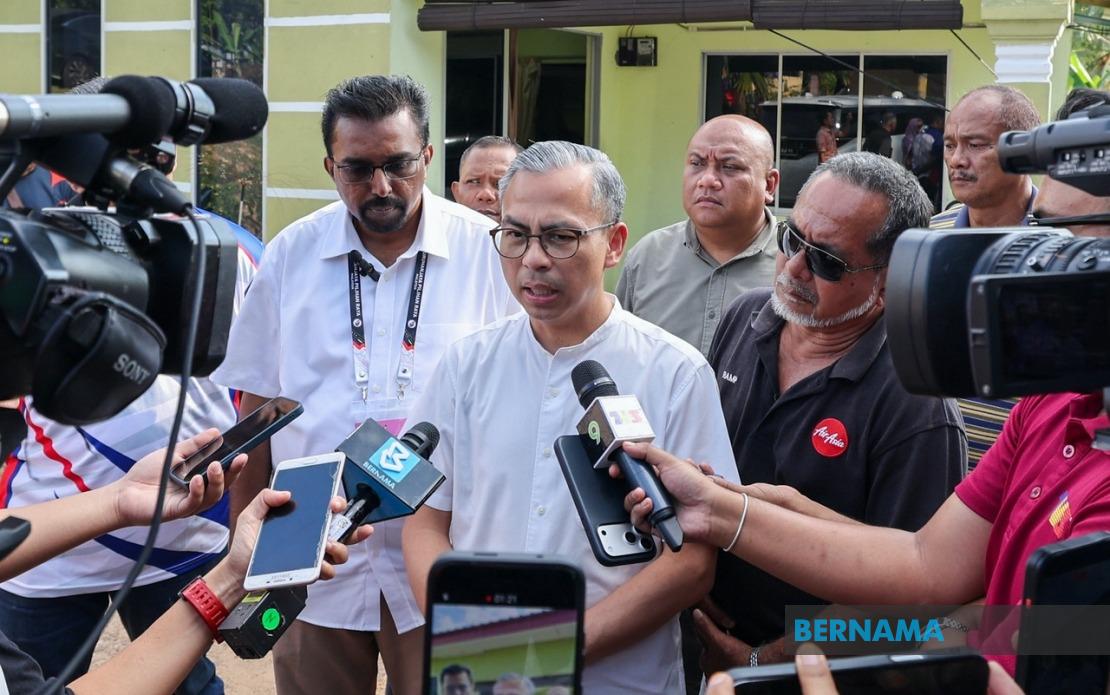
The Malaysian government is moving towards full disclosure of the Royal Commission of Inquiry's investigation into Tabung Haji, signalling a policy shift towards greater governmental transparency in sensitive institutional matters. Communications Minister Datuk Seri Fahmi Fadzil has publicly advocated for releasing the final RCI report, arguing that depositors, contributors, and the broader Malaysian public deserve comprehensive access to the inquiry's findings about the pilgrimage fund's troubled past.
Fahmi's position reflects a commitment to what he describes as foundational principles of transparency and fairness in governance. By making the findings publicly available, the government intends to equip Malaysians with factual information about the circumstances and decisions that shaped Tabung Haji during the period under investigation. This approach acknowledges that public institutions managing citizen savings carry an obligation to account for their actions, particularly when controversies have damaged confidence in their stewardship.
The RCI was established to examine allegations surrounding the sale and management of Tabung Haji's strategic assets, a contentious issue that had raised concerns among the Islamic pilgrimage fund's contributors about potential mismanagement or improper disposal of valuable holdings. The inquiry represents part of efforts to restore institutional credibility after years of operational and financial challenges that affected millions of Malaysians who rely on Tabung Haji for their Hajj savings.
Prime Minister Datuk Seri Anwar Ibrahim has endorsed the transparency initiative, indicating the government stands ready to release the report through proper channels. Anwar indicated he would consult Chief Secretary to the Government Tan Sri Shamsul Azri Abu Bakar on the timing and modalities of publication, setting an expectation that the document would become accessible to the public no later than the following Wednesday from the announcement date in late July.
The decision carries implications for how Malaysian institutions handle accountability after investigations conclude. Rather than keeping sensitive inquiry findings confined to government circulation, the approach recognises that public institutions answerable to taxpayers and stakeholders benefit from transparent disclosure. This model contrasts with previous practices where such reports sometimes remained restricted or were only partially revealed, leaving room for speculation and eroding public trust.
For Tabung Haji specifically, releasing the RCI report could help rebuild confidence among the roughly 9 million contributors who depend on the fund for their Islamic pilgrimage obligations. Many had grown anxious as Tabung Haji faced operational difficulties and reported significant financial losses during periods under review. Public access to the RCI's detailed findings would allow contributors to understand what occurred, identify systemic weaknesses, and assess whether remedial actions undertaken by current management genuinely address underlying problems.
Fahmi's remarks during the Ziarah Kasih MADANI programme in Jempol highlighted another dimension: the government's confidence that Tabung Haji's present operational state and administrative framework represent substantial improvements over previous conditions. By framing the report release as an opportunity to demonstrate progress rather than merely catalogue failures, the minister positions transparency as evidence of institutional renewal rather than an embarrassing necessity.
The timing of this commitment matters within Malaysia's broader governance narrative. The Anwar Ibrahim administration has campaigned on anti-corruption and transparency platforms, distinguishing itself through promises of greater openness compared to previous governments. The decision to publish the Tabung Haji RCI report aligns with these stated commitments and tests whether the administration will follow through on transparency pledges when faced with institutional controversies.
For Malaysian depositors and contributors, accessing the RCI findings provides crucial information for evaluating whether to maintain confidence in the institution or diversify their pilgrimage savings through alternative arrangements. The report should clarify factual questions about asset sales, accountability gaps, and governance failures that sparked the inquiry, enabling informed decision-making about participation levels.
The commitment also reflects sensitivity to public opinion regarding Tabung Haji. As a religiously significant institution managing savings for one of Islam's five pillars, public perception directly influences contribution rates and institutional vitality. Transparency demonstrates respect for contributors' legitimate interests in understanding how their savings have been managed and what safeguards now protect their funds.
Regionally, Malaysia's decision to publicly release such reports may influence governance standards across Southeast Asia, where questions about institutional accountability and transparency remain contested in many settings. Demonstrating that sensitive institutional inquiries can withstand public scrutiny may encourage other governments to adopt similar transparency practices.
The government's position essentially recognizes that genuine institutional reform requires public confidence, which flows from understanding rather than opacity. By committing to release the RCI report, Malaysian authorities acknowledge that depositors and contributors are stakeholders entitled to factual information about institutions managing their savings, not merely beneficiaries of governmental discretion about what information they should receive.

