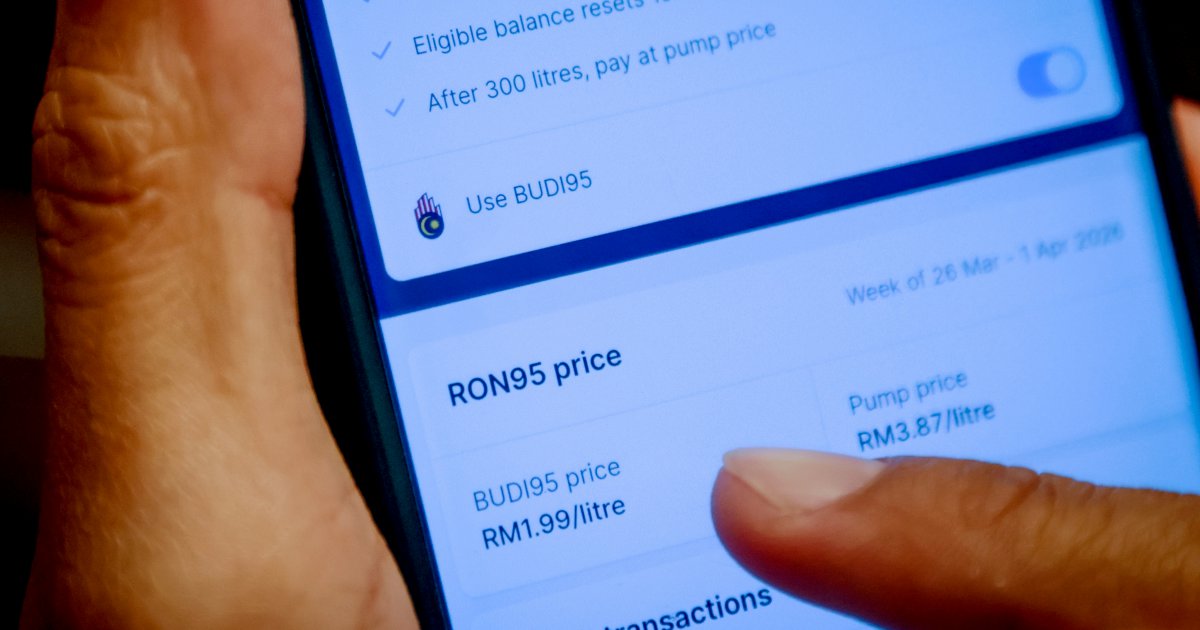
Prime Minister Datuk Seri Anwar Ibrahim has drawn attention to the massive financial commitment the federal government makes each year to insulate Malaysians from volatile global fuel prices, highlighting figures of RM40 billion to RM45 billion in annual subsidy expenditure. Speaking in Kuala Pilah, the Prime Minister sought to underscore the substantial public resources channelled into keeping domestic petrol and diesel prices affordable for motorists across the country.
This disclosure represents a critical juncture in Malaysia's ongoing debate over energy subsidies and fiscal sustainability. The sheer magnitude of these figures—potentially consuming a significant portion of the government's annual budget—reflects the economic trade-offs inherent in maintaining price controls. For context, these subsidies represent a considerable portion of federal spending and highlight the competing demands facing policymakers between social welfare objectives and budgetary constraints.
The government's subsidy framework operates as an implicit social contract with Malaysian motorists and consumers. By absorbing the difference between controlled domestic prices and global market rates, Kuala Lumpur effectively transfers wealth from the state treasury to fuel consumers. This mechanism becomes particularly costly during periods of elevated international oil prices, when the gap between what Malaysians pay and actual supply costs widens dramatically. The PM's remarks suggest an attempt to foster greater public appreciation for this hidden transfer.
Malaysia's experience with fuel subsidies reflects broader regional patterns. Across Southeast Asia, governments have wrestled with similar policy dilemmas: balancing the political imperatives of affordable energy against fiscal pressures and the distortions created by price controls. Singapore has pursued market-based pricing for years, while Indonesia has periodically reformed its subsidy regime. Thailand and Vietnam maintain various targeted subsidy mechanisms. Malaysia's approach sits somewhere in the middle, attempting to protect consumers while managing budgetary impact.
The RM40-45 billion annual commitment carries profound implications for Malaysia's public finances. These resources could alternatively fund infrastructure development, education expansion, healthcare improvements, or debt reduction. The opportunity cost of subsidy spending extends beyond immediate fiscal constraints; it influences the nation's credit rating, borrowing costs, and long-term economic competitiveness. International credit agencies and investors closely monitor subsidy burdens as indicators of fiscal discipline and sustainability.
Petroleum-based subsidies also create subtle economic distortions beyond their direct budgetary impact. By artificially depressing fuel costs, the government inadvertently encourages consumption patterns that might otherwise adjust to price signals. This can dampen energy efficiency improvements, suppress demand for public transportation alternatives, and perpetuate reliance on private vehicles. Over time, these behavioural effects compound, potentially locking Malaysia into less sustainable energy consumption trajectories.
The Prime Minister's emphasis on government spending serves multiple rhetorical purposes. First, it attempts to cultivate public gratitude for implicit subsidies that citizens often take for granted. Most motorists simply observe pump prices without recognising the governmental support maintaining affordability. Second, the disclosure implicitly establishes context for potential future policy adjustments. By repeatedly emphasizing the substantial fiscal burden, leaders signal the tensions inherent in maintaining current subsidy levels indefinitely.
Malaysia's subsidy spending must be understood within the context of the nation's petroleum wealth. Unlike most regional peers, Malaysia remains a significant crude oil and natural gas producer. This resource base historically justified extensive energy subsidies as a form of wealth redistribution from state-owned petroleum revenues to citizens. However, as production declines and global energy transitions accelerate, this traditional rationale weakens. Declining reserves mean petroleum wealth cannot indefinitely support current subsidy levels.
Regional and global energy trends further complicate Malaysia's subsidy equation. The transition toward renewable energy and electric vehicles is reshaping global fuel markets and consumer preferences. Younger demographics increasingly favour alternative transportation modes and more efficient vehicles. These shifts suggest that the long-term trajectory of fuel consumption may diverge from historical patterns, potentially affecting subsidy demand estimates and policy assumptions embedded in current budgetary frameworks.
The political economy of subsidy reform in Malaysia remains fraught with difficulty. Motorists and transport operators constitute powerful constituencies with strong incentives to maintain price controls. Reducing or restructuring subsidies invariably triggers public backlash, as demonstrated repeatedly across Southeast Asia. Yet the fiscal mathematics grow increasingly problematic. With the government managing limited budgetary space amid competing demands for social spending, the sustainability of current subsidy levels faces mounting pressure.
Looking forward, Malaysian policymakers face difficult choices regarding energy subsidies. Maintaining current levels indefinitely remains fiscally untenable if petroleum revenues continue declining. Gradual subsidy reduction, targeted approaches supporting only essential users, or transition mechanisms favouring cleaner fuels represent possible pathways. Each approach involves political costs and complex implementation challenges, yet the status quo becomes increasingly difficult to defend on fiscal grounds alone.
The Prime Minister's public articulation of subsidy figures signals awareness of these mounting pressures. By educating the public about actual government spending, the administration may be laying groundwork for future adjustments. Whether Malaysia pursues subsidy reforms and how quickly such changes might proceed will significantly influence the nation's fiscal trajectory and competitiveness in an increasingly energy-constrained global economy.

