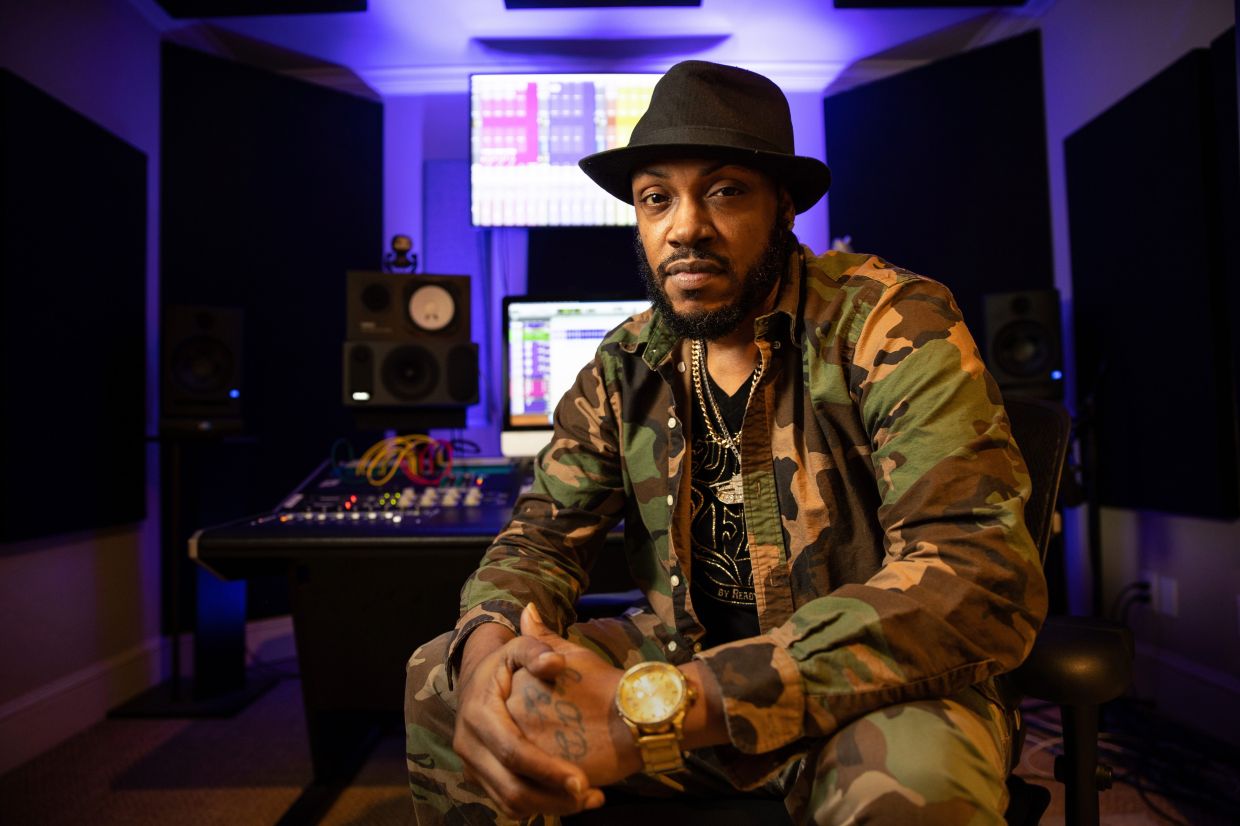
The career of Michael Lawrence Tyler, better known to the world as Mystikal, has taken a dramatic turn after a Louisiana court sentenced the multiple Grammy-nominated rapper to two decades in prison for sexually assaulting a woman at his Prairieville home in 2022. The 56-year-old artist, who reached the peak of his commercial success during the late 1990s and early 2000s, entered a guilty plea to third-degree rape in March, bringing an end to what could have been a far more lengthy legal battle.
Mystikal's plea agreement substantially benefited the defendant by capping his sentence at 20 years, a significant reduction from the maximum 25-year penalty that Louisiana law permits for third-degree rape charges. More importantly, the deal represented a significant downgrade from the original first-degree rape charge that prosecutors had pursued, a conviction which would have resulted in an automatic life sentence without possibility of parole. This negotiated resolution highlights the leverage that plea bargaining agreements can provide in serious criminal cases, even when evidence appears substantial.
The proceedings took an unexpected turn just before the Tuesday sentencing when Mystikal's legal team petitioned the court to allow him to withdraw his guilty plea. According to reporting from ABC affiliate WBRZ, the rapper's defence claimed he "did not have sufficient opportunity to fully consider the consequences" of his admission of guilt. This last-minute reversal attempt, however, failed to persuade the judge, and the sentencing proceeded as scheduled.
During the court hearing, the victim delivered an impact statement directly addressing the court and the defendant. She detailed the violence she endured, describing how Mystikal had punched her, choked her, and pulled out her braids before sexually assaulting her at his residence. The woman's testimony proved powerful enough to convince the judge that the maximum available sentence was appropriate. In a moment that appeared to demonstrate some acknowledgement of wrongdoing, Mystikal reportedly responded by saying, "If I did that to you, I deserve the max sentence," according to the local television station's reporting.
The rapper has remained incarcerated without bail since his initial arrest in 2022, spending the intervening years at the Ascension Parish Jail as his case wound through the legal system. This extended period of pretrial detention meant that Mystikal faced not only the uncertainty of criminal prosecution but also the immediate loss of his freedom and professional opportunities during what have been the final active years of his career in the entertainment industry.
Mystikal's criminal history adds another troubling dimension to this current conviction. In 2003, he pleaded guilty to sexual battery charges and received a six-year prison sentence, demonstrating a pattern of sexual misconduct spanning two decades. That same year, despite his pending conviction, he received Grammy nominations in two categories recognising his contributions to hip-hop music, a stark contrast to his legal troubles. His release from that earlier prison stint apparently did not serve as a sufficient deterrent to future criminal behaviour.
The Louisiana rapper rose to national prominence throughout the 1990s, developing a distinctive style that blended energetic performance with novelty elements that appealed to mainstream audiences. His commercial peak came at the turn of the millennium, when he released several successful singles that dominated radio playlists and achieved significant commercial success. At that point in his career, Mystikal appeared poised for sustained relevance within the music industry, with industry recognition and popular appeal seemingly secure.
For the broader hip-hop and entertainment community, Mystikal's case joins a growing list of prominent artists confronting serious criminal allegations in recent years. The conviction raises difficult questions about accountability within an industry that has historically been resistant to addressing sexual violence. It also underscores how legal consequences, when they do materialise, can effectively end the careers and freedom of even commercially successful performers who might otherwise have expected continued opportunities and influence.
The 20-year sentence ensures that Mystikal will spend his senior years incarcerated, with release likely only occurring well into his 70s should he serve the full term. This outcome represents a definitive conclusion to a music career that once generated Grammy consideration and commercial success, serving as a sobering reminder of the serious legal consequences that can result from sexual violence.