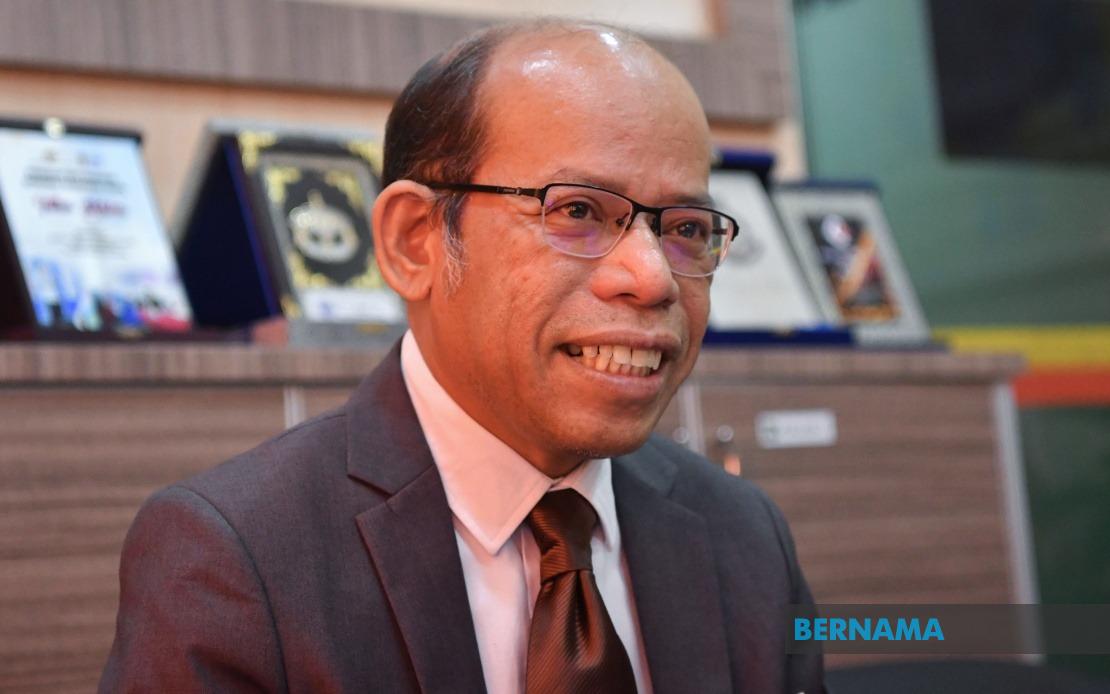
The Gua Musang District Council (MDGM) is pushing for substantial government investment to position Bandar Lama as a key tourism drawcard for the region. Council president Mohd Roshdi Ismail has outlined plans requiring an allocation of nearly RM1 million to rehabilitate and develop the historic area, which currently remains underutilised despite its considerable potential to attract visitors from within Malaysia and abroad.
Bandar Lama possesses distinctive geographical and cultural characteristics that set it apart from other heritage sites in Kelantan. The locality is framed by limestone hills and cave formations that offer scenic value, while its landscape tells stories spanning multiple historical periods. The area's topography creates natural barriers and vantage points that shaped its strategic importance during different eras of Malaysia's past, particularly the period of communist insurgency that marked the nation's early decades as an independent state.
Mohd Roshdi identified several specific sites within Bandar Lama worthy of restoration and interpretation. The abandoned railway station positioned at the foot of the hills carries particular significance as a tangible connection to the emergency period when transport infrastructure became intertwined with security concerns. The station's architecture and location offer opportunities to contextualise this chapter of Malaysian history through carefully curated tourism experiences that educate visitors about the nation's journey toward stability and development.
Another poignant landmark is the burial site located in the Masjid Razaleigh vicinity, commemorating a woman who fell victim to communist violence while carrying an unborn child. Such memorials carry emotional weight and educational value, serving as reminders of the human cost of the conflict that threatened Malaysia's early years. Developing interpretive facilities around such sites requires sensitivity and resources, but can transform personal tragedy into spaces for reflection and historical understanding.
The council's development framework targets strategic zones with demonstrated capacity to engage tourist interest. Rather than pursuing broad-based construction, the MDGM approach focuses on identifying and enhancing areas where natural features intersect with historical narrative. This selective methodology suggests a thoughtful strategy that could preserve the area's character while improving accessibility and visitor amenities.
Securing the necessary funding presents a significant challenge in the competitive landscape for government allocations. Mohd Roshdi outlined plans to engage appropriate federal and state agencies in channelling resources toward the project. The council intends to establish a collaborative framework bringing together multiple stakeholders with expertise and financial capacity. This multi-agency approach reflects understanding that tourism infrastructure projects typically require coordination across different levels of government and specialised development bodies.
Majlis Amanah Rakyat (MARA), the federal trust agency focused on Bumiputera economic advancement, represents a potential collaborative partner given its mandate to support community-based development initiatives. MARA's involvement could unlock funding pathways while ensuring that tourism benefits accrue to local Bumiputera entrepreneurs through hospitality enterprises, guiding services, and heritage interpretation roles.
The economic implications of Bandar Lama's development extend beyond direct tourism revenue. Enhanced infrastructure and international visitor attention would stimulate ancillary economic activity throughout the Gua Musang district. Local hospitality providers, transport operators, and small businesses would benefit from increased footfall and visitor expenditure. Young people currently seeking employment opportunities outside the district might find viable livelihoods in tourism-related sectors, contributing to population retention and economic diversification in an area traditionally dependent on primary industries.
Bandar Lama's positioning as a historical tourism destination also carries broader significance for Kelantan and Peninsular Malaysia. The region has comparatively limited international tourism infrastructure compared to other Malaysian states, and heritage tourism represents an accessible entry point for developing visitor economies. Successfully developing Bandar Lama could catalyse interest in other lesser-known historical sites across Kelantan, gradually building the state's reputation as a destination for culturally and historically conscious travellers.
The project aligns with national tourism diversification strategies that seek to move beyond beach and urban resort models toward experiential and educational tourism. International visitor trends increasingly favour authentic cultural and historical experiences over mass-market attractions. A well-developed Bandar Lama could appeal to discerning visitors seeking to understand Malaysian history through direct engagement with preserved landscapes and thoughtfully interpreted sites.
However, tourism development in heritage areas demands careful stewardship to prevent degradation of historical integrity or natural environments. The MDGM will need to establish clear conservation principles guiding improvements, ensuring that infrastructure serves visitor needs without overwhelming or commodifying the sites' historical significance. Partnership with heritage management specialists and environmental consultants would strengthen the development framework.
The RM1 million allocation, while substantial for a district council, represents modest investment for comprehensive area development including infrastructure, interpretive facilities, and amenities. Mobilising this funding through coordinated government support channels will require compelling presentation of the project's economic multiplier effects and cultural value to potential sponsors. Success depends on demonstrating that heritage tourism investment generates sustainable returns benefiting both visitors and local communities across multiple economic dimensions.

