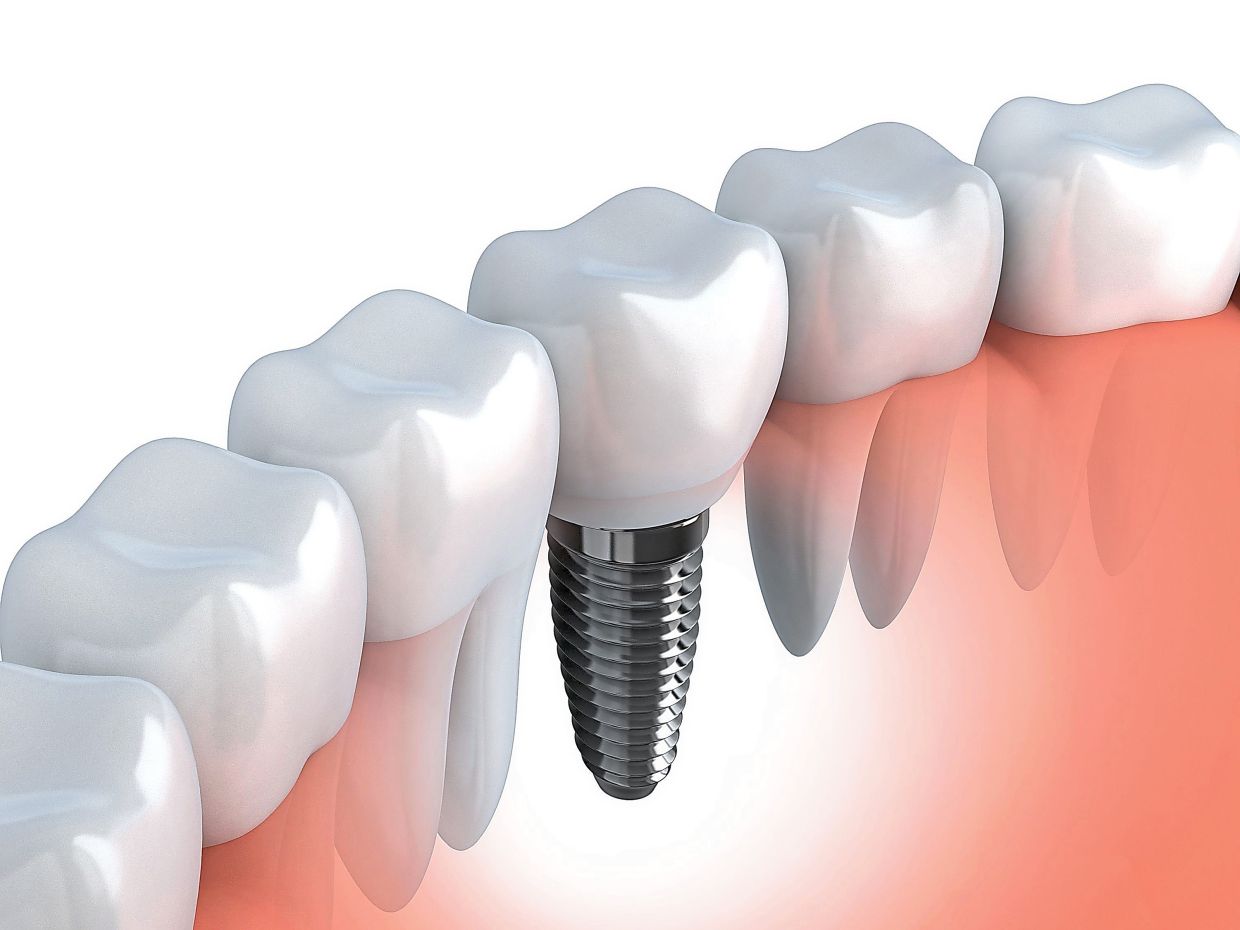
While dental implants spare patients from the classic ravages of tooth decay and nerve inflammation that plague natural teeth, they introduce a different threat: peri-implantitis, a potentially damaging infection that can compromise the implant's structural integrity if left unchecked. This condition develops when bacteria colonise the tissue surrounding an artificial tooth root, triggering inflammation that may progress silently before revealing its consequences. Understanding this risk and taking preventive action is crucial for anyone considering or maintaining dental implants, particularly given the rising popularity of implant procedures across Malaysia and Southeast Asia.
Peri-implantitis manifests through several warning signs that patients should recognise early. An itching sensation around the implant site often represents the first indication of trouble, according to Dr Jochen Schmidt, a dentist based in Cologne, Germany. More obvious symptoms include tissue swelling, bleeding during cleaning, and persistent bad breath—signals that the inflammatory process is advancing. The University Hospital of Bonn notes that these symptoms frequently develop gradually, creating a dangerous window during which the condition progresses unnoticed. This insidious nature makes it especially important for implant patients to remain vigilant rather than assuming that an implant, once installed, requires no special attention.
The long-term consequences of untreated peri-implantitis extend well beyond mere discomfort. Dr Schmidt emphasises that the inflammatory tissue can eventually attack and erode the jawbone that anchors the implant, leading to loss of structural support. When this occurs, the implant becomes loose and unstable, necessitating expensive removal and replacement procedures. The financial and personal cost of allowing peri-implantitis to progress unchecked far exceeds the modest effort required for prevention, making early detection and treatment economically rational as well as clinically prudent. For Malaysian patients who have invested considerably in dental implants, this deterioration represents a significant loss.
The foundation of peri-implantitis prevention rests on meticulous oral hygiene practices that many patients underestimate. Thorough cleaning of the implant surface removes bacterial biofilm before it can trigger inflammation, but this requires attention not only to the implant itself but also to the spaces between teeth that traditional toothbrushing alone cannot reach. Interdental brushes and dental floss become essential tools for implant care, not optional luxuries. The University Hospital of Bonn stresses that these interdental cleaning devices must be used consistently to maintain the bacterial control necessary for long-term implant health. Patients transitioning from natural teeth to implants must fundamentally revise their approach to oral hygiene, adopting more rigorous standards.
Regular professional dental monitoring provides a crucial second line of defence against peri-implantitis progression. Routine dental appointments allow practitioners to detect subtle inflammation around the implant roots using radiographic imaging before clinical symptoms become apparent. X-rays can reveal bone loss and early inflammatory changes that remain invisible to the naked eye, enabling intervention at a stage when treatment is simpler and more effective. For implant patients in Malaysia, establishing a consistent relationship with a dentist experienced in implant care—rather than relying on occasional check-ups—creates the oversight necessary to catch emerging problems promptly.
Beyond oral hygiene and professional care, several lifestyle and physiological factors influence peri-implantitis risk. Smoking emerges as a particularly significant contributor to implant complications, with recent systematic reviews demonstrating that smokers experience elevated rates of implant failure, postoperative infection, and bone loss around implant sites. Stress and hormonal fluctuations also appear to compromise the immune response that protects implants from bacterial invasion. The NHS notes that diabetes and a personal history of periodontitis substantially increase vulnerability to peri-implant disease. Malaysian patients with these risk factors require even more rigorous preventive measures to protect their implant investments.
When warning signs do appear, prompt professional evaluation becomes essential to determine the underlying cause. Itching or irritation around an implant site might stem from peri-implantitis, but could equally result from allergic reactions to implant materials or poorly fitted crowns. Only a thorough clinical examination and possibly radiographic assessment can distinguish between these possibilities. Once peri-implantitis is confirmed, treatment typically involves professional bacterial removal from the implant surface, sometimes requiring surgical intervention for advanced cases. The surrounding tissue undergoes simultaneous treatment to resolve inflammation and restore health to the implant-supporting structures.
The distinction between peri-implantitis affecting artificial tooth roots and periodontitis affecting natural teeth, though seemingly technical, carries practical significance for patients and clinicians alike. Both conditions stem from bacterial plaque accumulation and both result in progressive bone loss, yet they require somewhat different management approaches. Periodontitis, the more common condition affecting natural teeth, develops through complex interactions between dental plaque—the paramount culprit—and various host risk factors including genetics, immune function, and lifestyle variables. Recognising this commonality underscores that fundamental oral hygiene principles protect both natural dentition and implanted prosthetics.
The preventive measures that protect implant health align closely with strategies that prevent periodontitis in natural teeth. Brushing twice daily with proper technique removes plaque from accessible tooth surfaces, while interdental cleaning addresses the spaces where most bacterial colonisation occurs. Limiting consumption of sugary foods and beverages reduces the substrate that fuels bacterial growth, complementing mechanical cleaning efforts. These straightforward practices, implemented consistently, substantially reduce the likelihood of developing either periodontitis or peri-implantitis. For Malaysian readers accustomed to discussing dental care primarily in terms of preventing cavities, this broader perspective on plaque control offers powerful protection for both natural and artificial teeth.
For individuals already living with dental implants, the message is clear: an implant's installation marks not the end of dental responsibility but rather a transition to a more demanding maintenance routine. The implant's resistance to decay and nerve inflammation removes one category of threat but introduces another—bacterial infection of the supporting tissues—that proves equally capable of causing harm if neglected. The combination of daily rigorous cleaning, regular professional monitoring, attention to modifiable risk factors like smoking, and prompt investigation of any suspicious symptoms creates the conditions under which implants can provide decades of reliable function. In the Malaysian context, where dental implant procedures are increasingly accessible and popular, cultivating these habits represents an investment in preserving the considerable financial and emotional commitment that implant placement represents.

