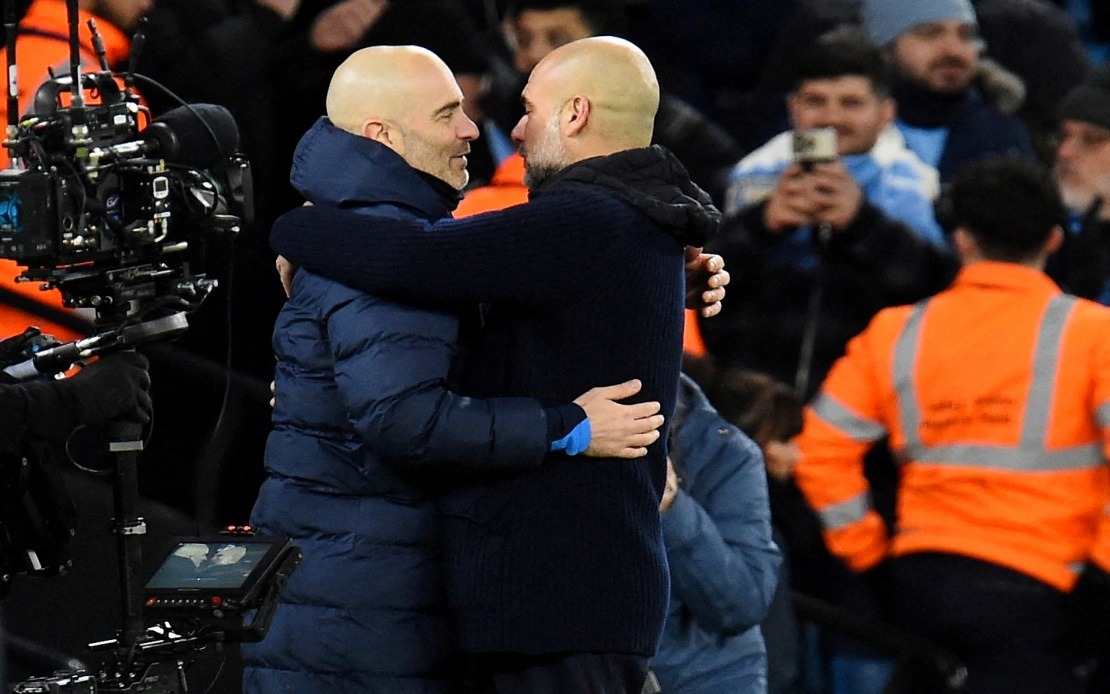
Pep Guardiola has broken his silence on the personal turmoil that shadowed his departure from Manchester City, offering rare insight into how his deteriorating marriage affected his performance as one of football's most decorated managers. The Spanish tactician, who departed City at the end of the most recent season after a decade of unprecedented success at the Etihad Stadium, has discussed the emotional toll of his separation in candid comments that reveal the human cost behind the trophies and accolades.
Guardiola's marriage to Cristina Serra came to an end in 2024, marking a significant turning point in his personal life after many years together. While he maintained privacy around the split at the time, he has now chosen to address the subject directly through a forthcoming Amazon Prime documentary that offers behind-the-scenes access to his final campaign with City. The revelation provides context for what observers noted was a notably turbulent conclusion to his tenure, when even the club's formidable squad struggled to maintain their usual standards.
The most visceral moment captured in the documentary comes during a heated dressing-room speech following Manchester City's 2-0 Champions League defeat to Juventus. At that juncture, City were enduring a particularly difficult run, having lost seven of their previous ten matches with just a single victory interspersed among the disappointing results. Guardiola, visibly upset by the performance, used the moment to address something far deeper than tactical failures or missed opportunities on the pitch.
In an unfiltered moment of vulnerability, Guardiola confessed to his players about the emotional state driving his frustration. He spoke openly about his separation, describing Serra as "the most beautiful woman on your planet," while simultaneously grappling with the contradiction of loving her deeply while acknowledging that the relationship had fundamentally lost its spark. This candid admission was not presented as an excuse but rather as a teaching moment about the importance of performing with genuine passion rather than simply fulfilling contractual obligations.
Guardiola's comments reflected a philosophy that extends well beyond football. He challenged his players to consider whether they played the sport because they were paid to do so or because of something deeper and more intrinsic. He specifically articulated that he no longer wanted merely skilled performers on his roster, but rather individuals who brought authentic passion and commitment to their craft. The message carried particular weight coming from a manager whose own personal passion appeared to have been severely tested by circumstances beyond the football pitch.
The documentary and his reflections on this period highlight a rarely discussed aspect of elite sports management: the intersection between personal wellbeing and professional performance. For a manager as meticulous and emotionally invested as Guardiola, personal trauma inevitably reverberates through his work environment. His marriage breakdown occurred during a period when City faced intense pressure from competitors and when the physical and mental demands of the position reached peak intensity.
Since stepping away from Manchester City, Guardiola has reportedly turned down approaches to manage the Italian national team, suggesting he is prioritising personal recovery over immediate return to high-pressure employment. This decision appears deliberate and measured, reflecting genuine introspection about what comes next in his career. His stated uncertainty about his immediate future represents a departure from his typically resolute demeanour and demonstrates the sincerity of his need for personal recalibration.
In subsequent interviews filmed for the documentary, Guardiola expressed candour about the challenge of contemplating a return to management in the short term. He acknowledged the necessity of addressing numerous personal matters and professional concerns that require attention and processing before he can recommit to the demands of top-level football. This measured approach suggests someone taking stock of the cumulative impact of years spent in one of sport's most demanding positions.
For Malaysian and Southeast Asian audiences observing this narrative unfold, Guardiola's openness offers a broader commentary on the often-invisible personal struggles of high-profile figures. In a region where professional achievement is frequently prioritised above all else, his willingness to acknowledge that success demands a substantial personal price resonates beyond football. The discussion challenges cultural narratives that frame unwavering dedication to work as inherently virtuous, particularly when such dedication damages intimate relationships.
The unfolding story also provides perspective on Manchester City's recent competitive difficulties, which coincided with Guardiola's personal challenges. While the club's infrastructure and resources remained elite, the absence of their manager's full emotional presence may have subtly influenced team cohesion and performance. This dynamic illustrates how organisational success depends not merely on systems and talent but on the wellbeing of its key figures.
Guardiola's journey through this difficult period underscores the reality that even the most accomplished professionals navigate profound personal crises. His marriage breakdown and subsequent reflection reveal someone engaged in genuine self-examination, determining what life looks like beyond the pursuit of trophies and records. For supporters and observers across Southeast Asia who followed his achievements at Manchester City, this human dimension adds unexpected depth to his legacy at the club.

