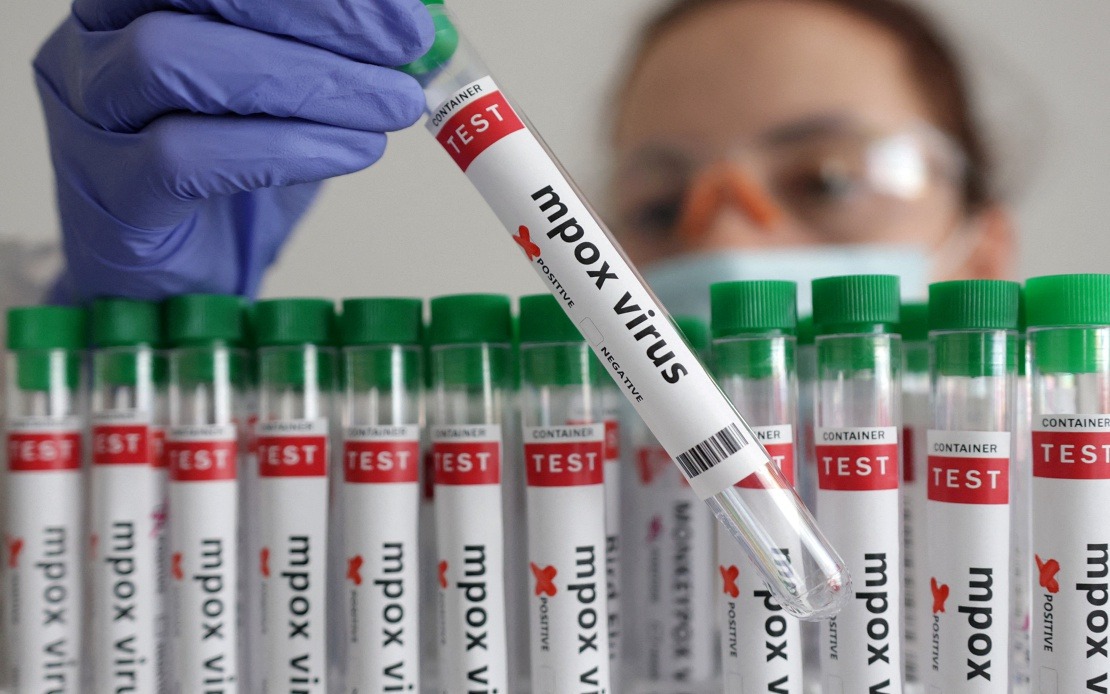
Guinea-Bissau has joined the growing list of African nations grappling with mpox transmission following the confirmation of its first case in early July. The West African country's Public Health Minister Quinhin Nantote announced the diagnosis at a weekend press conference, revealing that a 27-year-old woman had sought treatment after developing symptoms on June 24. The identification of this index case represents a critical juncture for the nation's public health system, which must now balance transparent communication with effective containment strategies to prevent further community transmission.
The diagnostic pathway demonstrates the region's reliance on international laboratory networks for disease confirmation. Initial samples collected from the patient's characteristic skin lesions were processed at Guinea-Bissau's National Institute of Public Health before being forwarded to the Institut Pasteur in Dakar, Senegal, where confirmation protocols were completed. This referral system, while ensuring diagnostic accuracy through internationally recognised standards, also highlights infrastructure limitations in many West African health systems and the critical importance of regional cooperation in disease surveillance and response.
Guinea-Bissau's swift activation of national response mechanisms reflects compliance with the World Health Organisation's International Health Regulations framework. The health authorities have immediately launched epidemiological investigations to trace and monitor all individuals who may have had close contact with the confirmed patient. This contact tracing component remains fundamental to preventing secondary transmission clusters, particularly in densely populated urban areas where the virus could spread rapidly through household and community networks.
The government has simultaneously strengthened disease surveillance infrastructure across the entire country and implemented heightened screening protocols at all border entry points. Given Guinea-Bissau's position in West Africa and its land and maritime borders with Senegal and Guinea, border surveillance serves a dual purpose: identifying any incoming cases from neighbouring nations while preventing the export of the virus to countries yet to report transmission. This regional dimension underscores how diseases transcend political boundaries and necessitate coordinated multinational responses.
Public Health Minister Nantote's messaging to citizens emphasises personal preventive measures that form the foundation of disease control. The guidance includes frequent handwashing, maintaining physical distance from individuals displaying fever or suspicious skin rashes, and general hygiene practices. While these recommendations are straightforward, their effective implementation in communities with limited healthcare literacy or resource constraints presents substantial challenges. Public health campaigns must therefore be tailored to local contexts, delivered through trusted community leaders, and reinforced through multiple communication channels.
The epidemiological characteristics of mpox demand particular attention in Guinea-Bissau's response planning. The virus spreads through direct contact with infected individuals' body fluids, respiratory droplets released during coughing or sneezing, and contaminated materials such as bedding or clothing. Transmission risks escalate in healthcare settings and household environments where protective equipment availability may be limited. Understanding these transmission pathways enables targeted interventions in high-risk settings and informs training for healthcare workers who will manage suspected and confirmed cases.
Clinical manifestations of mpox include fever, muscle aches, enlarged lymph nodes, and the characteristic pustular rash that marks infected individuals. These symptoms typically appear between five and twenty-one days following exposure to the virus. The presence of visible skin lesions, as observed in Guinea-Bissau's first documented case, facilitates clinical diagnosis but also raises infection control concerns if patients interact with others before seeking medical attention. Healthcare facility protocols must ensure rapid isolation of suspected cases and appropriate personal protective equipment for staff managing patient care.
For Malaysian and broader Southeast Asian readers, Guinea-Bissau's mpox confirmation carries important implications regarding global disease surveillance and regional preparedness. Although geographic distance from West Africa might suggest low immediate risk, the interconnected nature of international travel and trade means that sporadic cases could reach the region. Malaysia's substantial trading relationships with African nations and the presence of diaspora communities create potential transmission pathways that national health authorities must monitor carefully. The experience of Guinea-Bissau and other affected nations provides valuable lessons in rapid response activation and resource mobilisation.
The situation also demonstrates the vulnerability of lower-income nations to emerging infectious disease threats. Guinea-Bissau's reliance on external laboratory facilities for disease confirmation, while appropriate for ensuring diagnostic accuracy, reflects broader capacity constraints that characterise many developing health systems. Regional investment in laboratory infrastructure, disease surveillance networks, and healthcare worker training across West Africa and globally could enhance detection and response capabilities for future outbreaks. International health partnerships that strengthen institutional capacity ultimately benefit all nations through earlier identification of emerging threats.
Guinea-Bissau's health authorities face the challenging balancing act of maintaining public transparency while avoiding unnecessary panic. The confirmation announcement itself serves important functions: alerting healthcare workers to watch for additional cases, encouraging symptomatic individuals to seek medical evaluation, and mobilising community participation in prevention efforts. However, accompanying public education must counter misinformation and clarify the distinction between mpox and other dermatological conditions to prevent healthcare system overload from worried-well patients seeking unnecessary evaluation.
The coming weeks will prove critical for determining whether Guinea-Bissau's response mechanisms successfully contain the infection to isolated cases or whether community transmission chains develop. The effectiveness of contact tracing, the willingness of identified contacts to comply with surveillance and quarantine measures, and the capacity of the health system to manage suspected cases will collectively determine outbreak trajectory. Success requires sustained commitment from government, healthcare providers, and the public—a demanding proposition for any nation but particularly challenging in settings facing competing health priorities and resource constraints.
Moving forward, Guinea-Bissau must maintain vigilant surveillance while avoiding the false security of assuming the outbreak will remain limited to one individual. Regional cooperation through ECOWAS health mechanisms and support from international organisations will likely prove essential to sustaining response efforts and preventing cross-border transmission. The confirmed case serves as a reminder that infectious disease threats recognise no borders and that investments in public health infrastructure and disease surveillance represent essential infrastructure for national security and public welfare.

