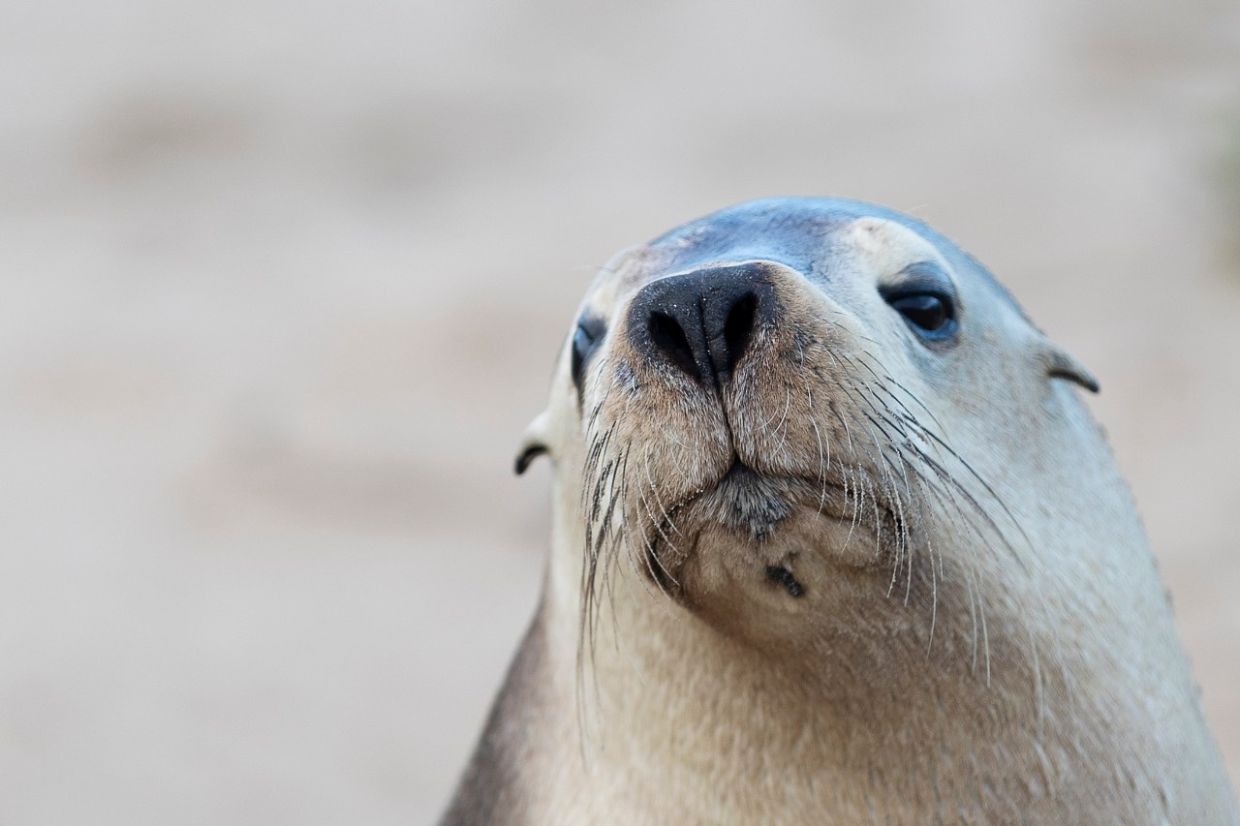
An accelerating outbreak of highly pathogenic H5N1 avian influenza in South Australia is poised to become a conservation crisis, with wildlife specialists cautioning that the virus will almost certainly jump to populations of endangered sea lions inhabiting one of the nation's most ecologically significant marine reserves. The State government has already logged 21 suspected cases and 19 confirmed detections of the virulent strain, representing a marked intensification since the mainland discovery in June. This trajectory has prompted urgent protective measures at Seal Bay, a critical breeding ground hosting roughly five percent of the world's remaining Australian sea lion population.
The situation has deteriorated with alarming speed across South Australia's coastline. Authorities detected Australia's first suspected case of the highly pathogenic strain in a seagull along the state's southeastern shoreline, marking a troubling expansion of the virus's geographical reach. The outbreak has proven particularly concentrated and severe, with 33 cases emerging in just four days commencing Monday, including multiple detections on Kangaroo Island—a biodiversity hotspot situated off South Australia's southern coast. One confirmed case at Seal Bay itself signals that the virus has already penetrated the precise location housing the vulnerable sea lion colony, transforming the threat from theoretical to immediate.
Wayne Boardman, a wildlife veterinarian specialising in marine mammal health at the University of Adelaide, articulated the gravity of the situation during a Friday interview with the Australian Broadcasting Corporation. He emphasised that historical precedent from South American ecosystems provides an unambiguous warning of catastrophe. The discovery of H5N1 in birds at Seal Bay makes transmission to sea lions inevitable rather than merely possible, according to Boardman's assessment. The marine environment creates conditions facilitating such spillover events, as seabirds and pinnipeds share foraging zones and compete for identical food sources, enabling pathogen transfer through direct contact or contaminated prey species.
The South American experience illustrates why such warnings warrant serious attention from conservation authorities and policymakers across the Indo-Pacific region. During 2022, H5N1 devastated South American sea lion populations with catastrophic efficiency, killing approximately 30,000 individuals within a six-month timeframe. More recently, the virus claimed an estimated 13,359 southern elephant seal pups on Australia's remote Heard Island in the Southern Ocean between August 2025 and January 2026, demonstrating that Australian waters and southern marine ecosystems are equally vulnerable to mass mortality events. These precedents establish that sea lions and fur seals possess no significant resistance to the strain once infection becomes established within their communities.
The vulnerability of Australian sea lions carries particular significance given their already precarious conservation status. The species remains officially endangered, with population recovery dependent on stable breeding colonies and consistent survival rates among existing members. Seal Bay represents one of the most important breeding grounds for the subspecies, making the threat posed by H5N1 existential in nature. A mass mortality event comparable to the South American outbreak would potentially decimate the global population, possibly beyond recovery even with intensive management intervention. The clustering of significant percentages of the total population in single geographical locations, while creating efficient breeding conditions, simultaneously concentrates extinction risk should disease reach breeding colonies.
In recognition of the escalating hazard, the South Australian government announced temporary suspension of beach tours at Seal Bay on Wednesday, implementing a precautionary quarantine of tourist access to the reserve. This decision reflects official acknowledgment that human presence increases disease transmission risk through potential contamination of footwear, equipment, and clothing used across the site. The closure represents an economic sacrifice for regional tourism operators but acknowledges the irreplaceable value of preventing catastrophic wildlife losses. Such protective measures, while necessary, address only the symptom rather than the underlying problem of an expanding viral outbreak across multiple coastal ecosystems simultaneously.
Minister for Agriculture, Fisheries and Forestry Julie Collins provided reassurance on Friday that government responses would remain guided by expert consultation and evidence-based strategies. She stressed that agricultural and poultry production systems have not yet detected the virus, indicating that the current outbreak remains confined to wild bird populations and the marine environment. Collins also reiterated official assessments that human health risks from the current H5N1 circulation remain at manageable levels, though she implicitly acknowledged the need for continued monitoring and rapid response protocols should the epidemiological situation shift. Her emphasis on coordination with scientific advisors underscores recognition that containing a pathogen already present in multiple wildlife populations across a vast geographic area requires sustained effort and adaptive management.
The broader implications extend beyond South Australia's immediate borders to the entire Indo-Pacific region. H5N1 avian influenza has demonstrated extraordinary capacity for rapid geographical dispersal through migratory bird populations, which operate without regard to political boundaries or biosecurity regulations. Southeast Asian nations, including Malaysia, maintain significant populations of migratory waterbirds that traverse shared flyways with Australian species, creating potential pathways for eventual virus introduction to the region. The experience in South Australia provides urgent validation of preparedness needs across all jurisdictions with vulnerable marine mammal populations or wild bird communities that could serve as hosts or vectors for the pathogen.
The scientific community recognises that preventing H5N1 transmission to sea lion populations at this stage requires disruption of contact between infected bird populations and marine mammals—an extraordinarily difficult objective given that both species inhabit identical coastal environments. Vaccination of sea lion populations represents a theoretically possible intervention but faces immense logistical challenges in deploying inoculants across wild marine mammal communities scattered across vast ocean territories. Disease surveillance intensification and rapid response protocols for detecting infections in marine mammals offer the most feasible immediate approach, enabling earlier intervention should spillover commence. The race against time has commenced, with experts and authorities confronting the realisation that preventing catastrophe may depend on responses implemented within the coming weeks.

