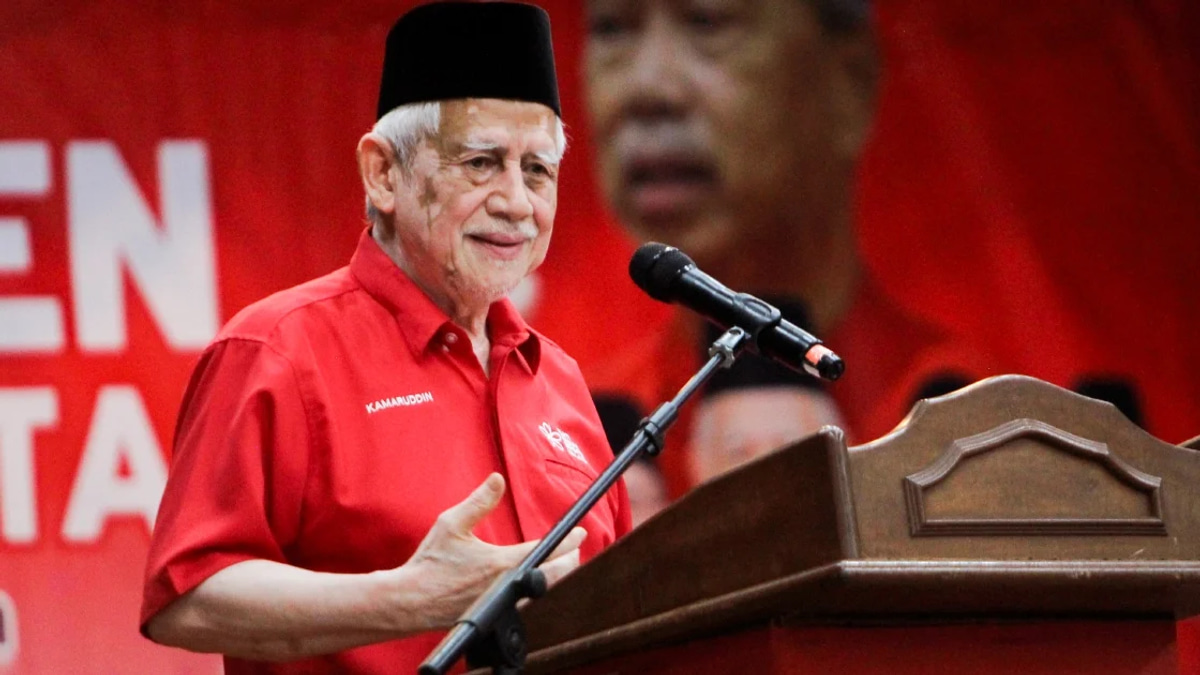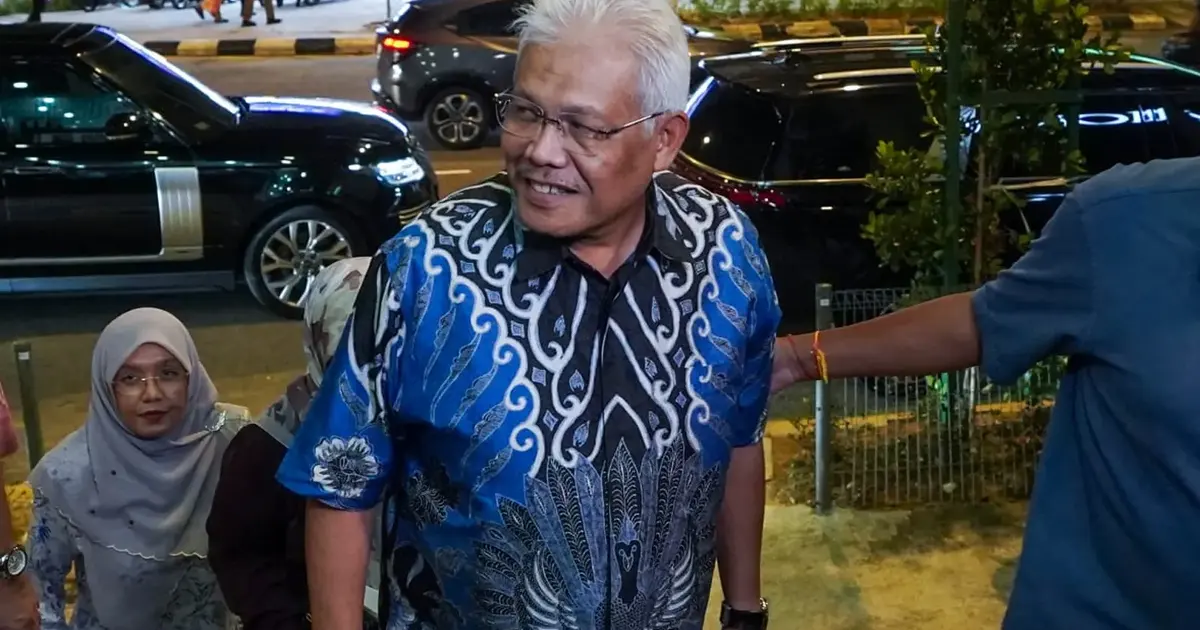
A group of opposition Members of Parliament, including prominent figure Hamzah Zainudin, convened at the headquarters of Parti Islam Se-Malaysia (PAS) for a confidential meeting, signalling fresh manoeuvres within Malaysia's fragmented parliamentary opposition. The gathering underscores the fluid and volatile nature of coalition politics at a time when the once-unified Perikatan Nasional (PN) alliance faces structural strain.
The timing of this assembly is significant, occurring in the aftermath of PAS's dramatic decision to formally end its political partnership with Bersatu just days earlier. This rupture represents a critical juncture in PN's trajectory, as the bloc that had positioned itself as a coherent alternative to the ruling Pakatan Harapan coalition now finds itself splintering. The consequences of this separation reverberate across Malaysia's political landscape, forcing MPs and party leaders to reassess their coalitional strategies and repositioning within parliament.
PAS, as the largest party within PN by parliamentary representation, holds considerable leverage in any realignment. The Islamic party's decision to distance itself from Bersatu suggests internal calculations about which partnerships maximise influence and electoral viability. For Hamzah and other MPs present at the meeting, understanding PAS's intentions has become strategically vital, particularly given the party's historical ability to command substantial grassroots support, especially in rural constituencies across the peninsula.
The fractionalisation of PN carries direct implications for the stability of Malaysia's parliament. With the ruling coalition's grip on its slender majority potentially vulnerable to shifts in opposition unity or fragmentation, any significant regrouping among opposition MPs warrants close scrutiny. The balance of power in the Dewan Rakyat remains precarious, and unexpected coalitional manoeuvres can rapidly alter legislative outcomes on critical issues ranging from budgetary allocations to constitutional amendments.
For Malaysian observers, the intensifying political activity within opposition blocs reflects the perpetual instability that has characterised the post-2018 electoral era. Unlike many democracies with more entrenched party structures, Malaysia's coalition politics remains fundamentally fluid, with MPs and parties frequently shifting allegiances based on immediate political calculations and factional interests. This dynamism makes parliamentary outcomes difficult to predict and governance challenging to sustain.
The meeting at PAS headquarters also provides insight into the mechanisms through which political influence operates in Malaysia. Behind-closed-doors consultations among MPs, particularly when involving respected figures like Hamzah, often precede significant parliamentary manoeuvres. These gatherings serve as forums for negotiating positions on forthcoming votes, coordinating messaging strategies, and exploring potential coalition configurations that could alter the composition of government or leadership within opposition blocs.
Bersatu's departure from PN represents not merely a mechanical reduction in the bloc's parliamentary numbers but a symbolic fracturing of an alliance that had maintained considerable cohesion since its formation. The broader implications suggest that PN's founding premise—that Islamic-based and Malay-nationalist parties could operate within a unified framework—faces fundamental questions about sustainability. PAS and Bersatu, despite shared ideological terrain, apparently concluded that their political interests diverged too sharply to maintain joint operations.
For regional observers monitoring Malaysian politics, these developments illustrate the enduring influence of personality-driven politics and intra-elite factional competition. Hamzah's participation in the PAS meeting, coupled with the presence of other opposition figures, suggests that discussions extend beyond ceremonial courtesy to substantive negotiations about parliamentary positioning. Whether these talks presage a formal coalition restructure, issue-specific collaboration, or merely exploratory discussions remains unclear, but the visibility of the meeting indicates sufficient political importance to warrant public awareness.
The heightened activity within opposition ranks also reflects growing uncertainty about the government's legislative agenda. The ruling coalition's recent difficulties in advancing certain policies have created openings for opposition parties to influence parliamentary outcomes through strategic positioning or conditional support. PAS, possessing both Islamic credentials and rural organisational strength, occupies a particularly influential position within this matrix of competing interests.
Looking forward, the trajectory of opposition consolidation or further fragmentation will significantly shape Malaysia's legislative landscape. Should PAS move closer to other opposition elements while maintaining distance from Bersatu, the parliamentary arithmetic could shift substantially. Conversely, if Bersatu manages to forge new partnerships independent of PAS, the fragmentation could deepen further, potentially weakening opposition effectiveness on major issues.
The meeting underscores a reality that Malaysian political observers have long recognised: that formal coalition membership provides only a partial explanation for parliamentary behaviour. The complex interplay of personal relationships, ideological affinity, regional interests, and immediate tactical advantages often supersedes formal organisational structures. As PN continues its realignment and opposition elements recalibrate their positions, such consultative gatherings will likely multiply, each potentially reshaping the parliamentary balance in subtle but consequential ways.
Ultimately, the PAS headquarters meeting represents a visible manifestation of the deeper political reconfiguration underway within Malaysia's opposition. Whether this activity consolidates into a coherent alternative governing force or fragments further will depend on the extent to which opposition leaders can align their individual and factional interests around shared legislative objectives. For now, the meeting confirms that Malaysia's political chessboard remains actively contested territory.