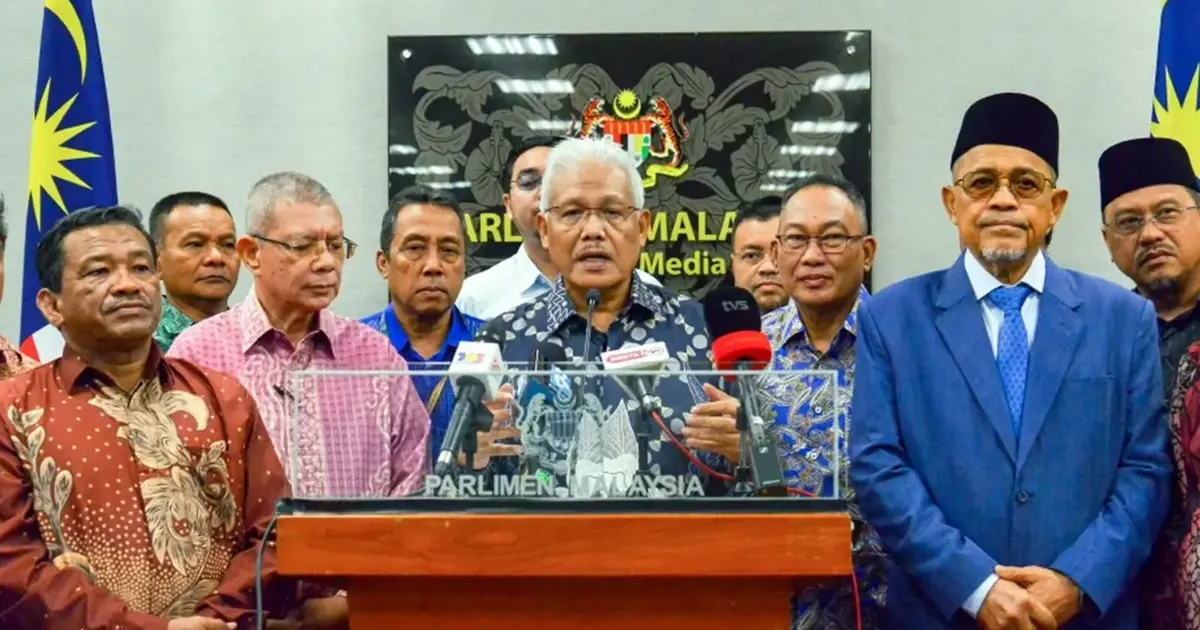
Opposition leader Datuk Seri Hamzah Zainudin has pressed the government to provide a comprehensive explanation regarding the appointment of a former anti-corruption chief to an advisory position at the National Anti-Financial Crime Centre, raising questions about the optics and appropriateness of the decision. The appointment has stirred debate in parliamentary circles, with Hamzah specifically questioning the rationale behind bringing in someone with a complex legal history to advise a critical financial crime agency.
The scrutiny centres on the former MACC chief's current circumstances, which include pending investigations that could affect his credibility and influence within financial regulation circles. Hamzah's intervention reflects broader concerns within opposition ranks about institutional integrity and the apparent contradiction of tasking someone under investigation with guiding an agency mandated to combat financial criminality. The opposition leader has not minced words about what he perceives as a problematic arrangement that demands transparent justification from the administration.
The National Anti-Financial Crime Centre represents a significant institutional framework for Malaysia's efforts to combat money laundering, terrorist financing, and other sophisticated financial offences. As such, its advisory structure carries considerable weight in shaping policy direction and enforcement priorities across financial institutions and regulatory bodies. The composition of its advisory board therefore carries implications for public confidence in Malaysia's commitment to fighting financial crime—a concern that extends beyond domestic politics to affect the country's international standing on anti-money laundering compliance and financial crime prevention.
This episode reflects ongoing tension between the government and opposition over institutional appointments and governance standards. In Malaysian politics, such positions are frequently scrutinised for partisan motivations or conflicts of interest, particularly when appointed individuals occupy ambiguous legal territory. Hamzah's demand for clarity suggests the opposition sees potential vulnerabilities in the government's justification for the decision and intends to maintain pressure on this issue through parliamentary channels and public commentary.
The former MACC chief brings substantial experience in anti-corruption work accumulated over a lengthy tenure leading Malaysia's premier anti-corruption agency. However, the overlap between his past role and current investigative status creates an uncomfortable juxtaposition that requires resolution through coherent official explanation. The government must articulate precisely how the adviser role functions, what decision-making authority it carries, and how potential conflicts are managed given his legal position.
For Malaysia's financial sector, clarity on this matter carries practical implications. Banks, money-laundering reporting officers, and other financial institutions rely on consistent, credible guidance from NFCC leadership and advisory structures. Any perception that advisory positions are filled through problematic processes could undermine confidence in the agency's independence and technical soundness. The international community's assessment of Malaysia's financial crime frameworks is partly informed by the legitimacy of such institutional arrangements.
The appointment also engages broader questions about how Malaysia handles transitions for former senior officials facing legal complications. Comparable democracies have established protocols and ethical guidelines governing such situations, though Malaysia's regulatory landscape remains less codified. This case highlights the need for clearer institutional norms around when and how former officials in legal jeopardy can appropriately accept advisory or consultative roles in sensitive regulatory bodies.
Hamzah's intervention carries weight given his standing as opposition leader and parliamentary experience. His calls for explanation are likely to resonate with civil society watchdogs and governance advocates who already scrutinise institutional appointments for signs of political manipulation or ethical compromise. The opposition's pursuit of this issue could generate sustained scrutiny that makes official response increasingly necessary.
From a Southeast Asian perspective, Malaysia's handling of this appointment sends signals about institutional independence and governance standards in the region. Neighbouring countries, regional financial regulators, and international bodies assess each nation's commitment to clean governance partly through high-profile decisions about institutional leadership and advisory structures. Ambiguity or perceived impropriety in such appointments can influence broader regional assessments of financial system integrity.
The government faces a straightforward choice: provide transparent, detailed explanation of the appointment's rationale and operational safeguards, or allow scepticism to persist. Public confidence in financial crime prevention depends substantially on institutions appearing independent, credible, and free from conflicts of interest. The administration's response will likely determine whether this matter becomes a sustained governance controversy or resolves through satisfactory clarification.

