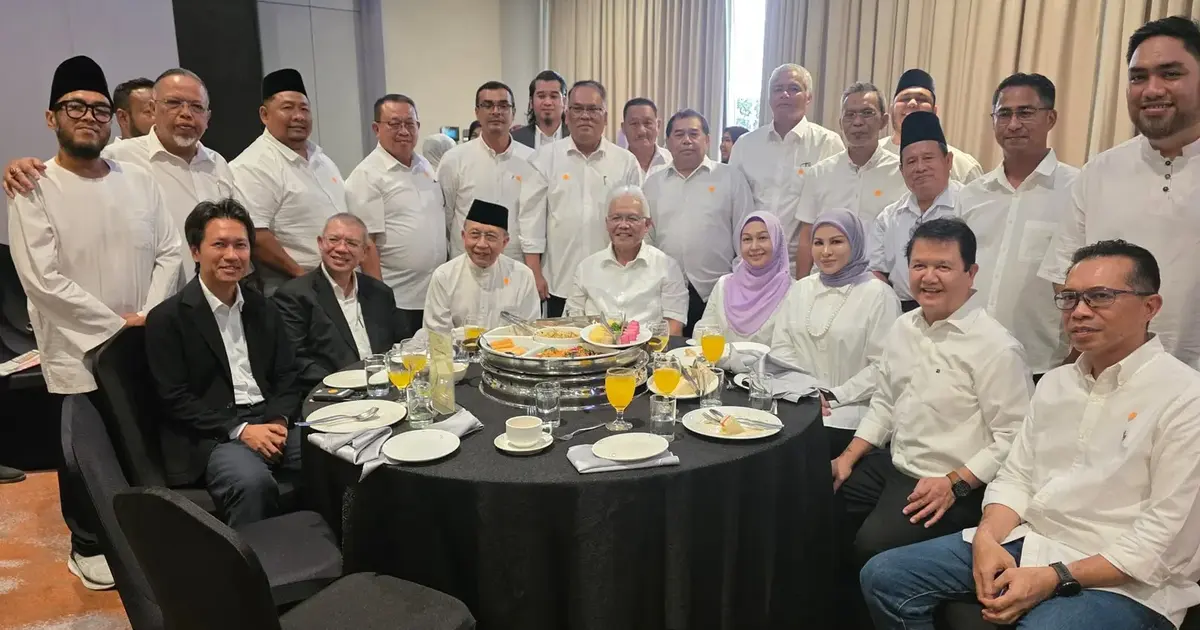
Wawasan has completed a significant leadership overhaul, elevating Hamzah to the position of president as the political party seeks to strengthen its institutional framework and clarify its organizational direction. The appointment signals a consolidation of power within the party's upper echelon and reflects efforts to establish a more defined governance structure heading into a potentially volatile period in Malaysian politics.
The restructuring extends beyond the presidency. Rais Yatim, a veteran politician with decades of parliamentary experience and previous ministerial tenure, has assumed the role of chairman. His appointment brings considerable institutional knowledge to the party's leadership, as Yatim has navigated Malaysian politics across multiple administrations and possesses experience managing both governmental and party machinery. The inclusion of experienced hands like Yatim suggests Wawasan intends to project stability and credibility as it positions itself within the broader political landscape.
Saifuddin Abdullah, the Member of Parliament for Indera Mahkota, has been appointed secretary-general, rounding out the senior leadership trio. As an incumbent MP, Abdullah brings a constituency-level perspective to the party's central administration. His parliamentary seat reflects existing electoral viability, a crucial asset for any political organization seeking to demonstrate relevance and ground support beyond party headquarters.
The timing of this leadership restructuring carries significance for Malaysian politics. The appointments arrive during a period of considerable flux within the country's political environment, where coalition alignments remain fluid and legislative mathematics frequently shift. Wawasan's decision to clarify its command structure may indicate preparation for electoral contests or legislative maneuvering ahead. By establishing clear lines of authority and assigning experienced figures to key roles, the party appears to be attempting to project coherence to both internal stakeholders and external observers.
Rais Yatim's previous governmental experience provides institutional continuity that younger or less-experienced figures might struggle to offer. His background encompassing ministerial roles means he understands bureaucratic processes, government-party interface dynamics, and the informal networks that often determine political outcomes in Malaysia. This knowledge proves invaluable for a party seeking to navigate complex political terrain where personal relationships and institutional memory frequently matter as much as formal rules.
Saifuddin Abdullah's position as Indera Mahkota MP grounds the party's leadership in electoral reality. Parliamentary seats represent tangible evidence of voter support, and Abdullah's constituency position provides direct connection to grassroots concerns and community feedback. This combination of grassroots representation and national-level leadership can help Wawasan develop messaging that resonates across different voter segments and regional contexts.
The party's leadership restructuring occurs within broader Southeast Asian political currents where many established parties have undergone similar organizational changes. Regional political movements have increasingly emphasized professionalization of party structures, clearer succession planning, and strategic positioning ahead of scheduled or anticipated elections. Wawasan's moves align with these broader trends, suggesting the party's leadership maintains attention to contemporary political management practices.
For Malaysian politics specifically, this restructuring represents one data point among many indicating ongoing realignment within the country's political ecosystem. With coalitional mathematics remaining unstable and various factions within parties often pursuing distinct agendas, clarifying internal leadership hierarchies helps prevent organizational drift and potential splits. Wawasan's actions signal the party is taking internal consolidation seriously at a moment when political cohesion can determine electoral outcomes and legislative influence.
The appointments also merit scrutiny regarding Wawasan's strategic positioning relative to other political actors. Whether the party intends to strengthen its negotiating position within existing coalitions, prepare for independent electoral participation, or maintain flexibility regarding future alignments remains unclear from the leadership announcements alone. However, the caliber of individuals appointed suggests the party envisions a substantive political role rather than simply functioning as a minor partner without meaningful influence.
Looking ahead, the effectiveness of this leadership structure will depend substantially on how well Hamzah, Yatim, and Abdullah coordinate on strategic direction and whether they can build institutional mechanisms ensuring unified party action. Malaysian political history demonstrates that even well-designed organizational structures can fracture if leadership figures pursue divergent interests or fail to build consensus on core policy positions. Wawasan's success will likely hinge on whether its new leadership triumvirate can transcend personal ambitions and cultivate genuine institutional loyalty among party members and supporters.
%22%2F%3E%3C%2Fpattern%3E%3C%2Fdefs%3E%3Crect%20width%3D%22100%25%22%20height%3D%22100%25%22%20fill%3D%22url(%23ph5o7jrg)%22%2F%3E%3Crect%20width%3D%22100%25%22%20height%3D%22100%25%22%20fill%3D%22url(%23ph5o7jrp)%22%2F%3E%3Ctext%20x%3D%2250%25%22%20y%3D%2250%25%22%20text-anchor%3D%22middle%22%20dominant-baseline%3D%22central%22%20fill%3D%22rgba(255%2C255%2C255%2C0.95)%22%20font-family%3D%22Georgia%2C%20'Times%20New%20Roman'%2C%20serif%22%20font-weight%3D%22700%22%20font-size%3D%22226%22%20letter-spacing%3D%22-0.02em%22%3EMelaka%3C%2Ftext%3E%3C%2Fsvg%3E)
%22%2F%3E%3C%2Fpattern%3E%3C%2Fdefs%3E%3Crect%20width%3D%22100%25%22%20height%3D%22100%25%22%20fill%3D%22url(%23ph5d5kfg)%22%2F%3E%3Crect%20width%3D%22100%25%22%20height%3D%22100%25%22%20fill%3D%22url(%23ph5d5kfp)%22%2F%3E%3Ctext%20x%3D%2250%25%22%20y%3D%2250%25%22%20text-anchor%3D%22middle%22%20dominant-baseline%3D%22central%22%20fill%3D%22rgba(255%2C255%2C255%2C0.95)%22%20font-family%3D%22Georgia%2C%20'Times%20New%20Roman'%2C%20serif%22%20font-weight%3D%22700%22%20font-size%3D%22272%22%20letter-spacing%3D%22-0.02em%22%3EAmira%3C%2Ftext%3E%3C%2Fsvg%3E)