%22%2F%3E%3C%2Fpattern%3E%3C%2Fdefs%3E%3Crect%20width%3D%22100%25%22%20height%3D%22100%25%22%20fill%3D%22url(%23ph2xq22g)%22%2F%3E%3Crect%20width%3D%22100%25%22%20height%3D%22100%25%22%20fill%3D%22url(%23ph2xq22p)%22%2F%3E%3Ctext%20x%3D%2250%25%22%20y%3D%2250%25%22%20text-anchor%3D%22middle%22%20dominant-baseline%3D%22central%22%20fill%3D%22rgba(255%2C255%2C255%2C0.95)%22%20font-family%3D%22Georgia%2C%20'Times%20New%20Roman'%2C%20serif%22%20font-weight%3D%22700%22%20font-size%3D%22226%22%20letter-spacing%3D%22-0.02em%22%3EHamzah%3C%2Ftext%3E%3C%2Fsvg%3E)
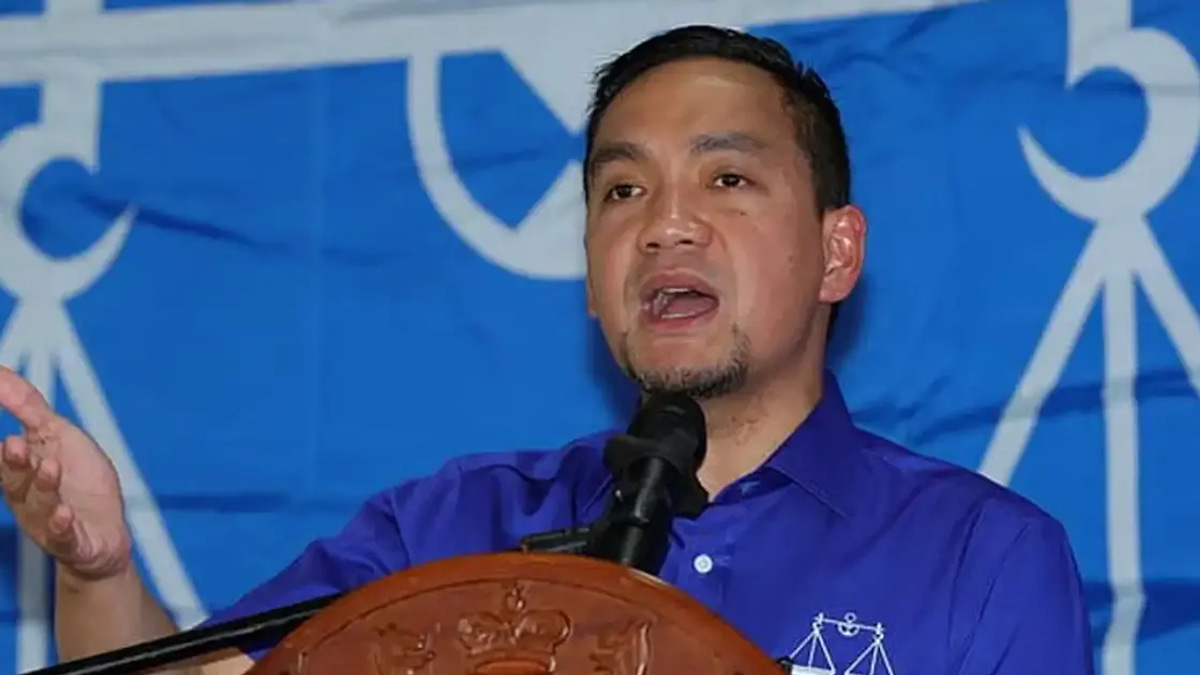
Hamzah Zainudin, the former deputy president of Parti Pribumi Bersatu Malaysia and current Member of Parliament for Larut, was present at a significant gathering of opposition legislators hosted by Parti Islam Se-Malaysia in Kuala Lumpur. The meeting underscores shifting alliances within Malaysia's fractured opposition coalition and suggests potential movement towards broader parliamentary cooperation among non-government parties.
The decision by PAS to organise and convene opposition MPs reflects the Islamic party's growing assertiveness within the legislative sphere. As the largest opposition party following the 2022 general election, PAS has increasingly positioned itself as a focal point for coordinating opposition strategy and parliamentary tactics. By bringing together lawmakers from various opposition factions, the party appears to be testing the viability of establishing a more cohesive opposition bloc capable of presenting unified positions on key legislative matters.
Hamzah's attendance at the PAS-hosted event carries particular significance given his trajectory within Malaysian politics. His presence demonstrates that figures who have occupied prominent positions within the ruling coalition framework remain engaged with opposition-oriented discussions and activities. This willingness to participate in opposition coordination mechanisms suggests either frustration with current governmental arrangements or deliberate positioning for potential future political configurations. The movement of experienced political operators across coalition boundaries typically precedes broader realignments in Malaysian parliamentary politics.
The Larut MP's participation also highlights the ongoing fragmentation within Bersatu, the party he once served as deputy president. Since the party's initial formation and subsequent evolution, Bersatu has experienced internal tensions and divisions that have resulted in multiple factions pursuing different political trajectories. Hamzah's engagement with opposition gatherings reflects the broader challenge facing Bersatu as a political entity struggling to maintain cohesion while navigating complex relationships with both government and opposition forces.
From a procedural standpoint, opposition coordination meetings serve multiple strategic purposes within parliamentary democracies. They enable lawmakers to identify common ground on legislative priorities, coordinate voting patterns on contentious bills, and present unified messaging on issues of national importance. For a fragmented opposition facing a government with substantial parliamentary numbers, such coordination becomes essential to amplifying their collective voice and influence within the legislative chamber. PAS's initiative to host such meetings reflects understanding of this dynamic.
The timing of this gathering occurs within a broader context of Malaysian politics characterised by fluid coalitions and shifting power dynamics. The previous general election fundamentally altered the country's political composition, eliminating the once-dominant Barisan Nasional supermajority and creating a more competitive parliamentary environment. Within this landscape, opposition parties recognise that strategic cooperation—even among groups that disagree on numerous policy matters—becomes necessary to effectively scrutinise government actions and present alternative visions for governance.
PAS's role as a convener of opposition meetings reflects its transition from being primarily a state-level political force to exercising greater influence at the national level. The party's enhanced parliamentary representation following recent electoral cycles has translated into increased organisational capacity and political weight. By hosting opposition coordination forums, PAS positions itself as a natural rallying point for anti-government sentiment and legislative opposition, though the sustainability of such unity remains uncertain given the diverse ideological orientations within the opposition bloc.
For Malaysian political observers and regional analysts, such meetings provide important signals about potential coalition formations and parliamentary dynamics. The presence of figures like Hamzah at opposition gatherings indicates that Malaysia's political landscape remains genuinely competitive, with established politicians maintaining flexibility regarding their political affiliations and strategic partnerships. This fluidity stands in contrast to more institutionalised party systems where legislators remain more rigidly bound to organisational hierarchies and coalition commitments.
The implications for Malaysia's parliamentary functioning could be significant should opposition coordination efforts succeed in establishing more systematic cooperation mechanisms. A more unified opposition presence would enhance legislative scrutiny of government policies, potentially complicating the executive's legislative agenda and forcing more substantive debate on proposed measures. Conversely, the fragmentation and internal contradictions within the opposition coalition frequently undermine such coordination efforts, limiting practical impact on parliamentary outcomes.
Moving forward, the success or failure of PAS-initiated opposition coordination will depend on several factors, including the willingness of different opposition parties to subordinate individual interests to collective goals, the ability of participating lawmakers to maintain unified positions despite ideological differences, and the practical effectiveness of such coordination in influencing parliamentary outcomes on matters of significance. Political observers will scrutinise whether this represents a genuine consolidation of opposition forces or merely another temporary manifestation of Malaysian politics' characteristic fluidity.