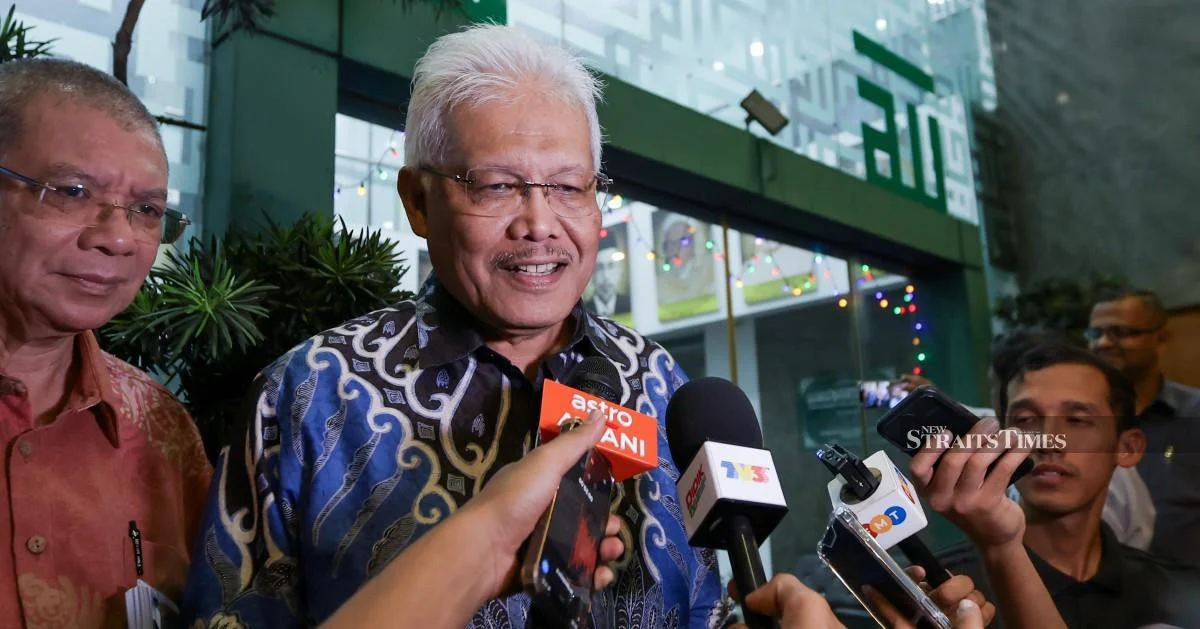
The physical seating arrangements in Malaysia's parliament are about to undergo a notable restructuring that carries considerable symbolic weight in the country's opposition landscape. Datuk Seri Hamzah Zainudin is poised to assume the opposition leader's position in the Dewan Rakyat beginning Monday, a development that signals substantive changes within opposition coalition dynamics and represents a notable shift in parliamentary hierarchy.
The repositioning comes as parliament's seating configuration reflects evolving political allegiances and the relative standing of opposition figures. The opposition leader's seat, traditionally one of the most prominent positions in the legislative chamber, directly faces the government benches and commands significant visibility during parliamentary proceedings. This high-profile positioning has long served as both a practical advantage for legislative business and a symbolic marker of a politician's standing within the opposition bloc.
Tan Sri Muhyiddin Yassin, who currently holds the presidency of Bersatu, will be relocated further down the seating arrangement to accommodate this transition. The Bersatu leader's movement represents a tangible expression of changing political configurations within opposition ranks, reflecting how opposition coalitions have evolved since the last major parliamentary reshuffling. Muhyiddin's repositioning does not necessarily diminish his political influence or his party's role, but it does indicate that Hamzah Zainudin has gained sufficient support or party backing to claim the more prominent parliamentary position.
For Malaysian political observers, seating arrangements in the Dewan Rakyat often serve as reliable indicators of coalition strength and individual leadership trajectories. When opposition figures are repositioned, it typically signals negotiations between opposition parties about representation, leadership recognition, and strategic positioning ahead of parliamentary sessions. These seemingly procedural matters frequently contain substantive implications for how opposition blocs will function during debates, legislative votes, and government scrutiny sessions.
Hamzah Zainudin's return to the opposition leader's seat comes against the backdrop of Malaysia's complex and frequently shifting political landscape. Opposition coalitions in Malaysia have historically remained fragile, with parties frequently realigning based on electoral mathematics, internal disputes, or changing national circumstances. The fact that a specific seating arrangement has been confirmed and publicised suggests coordination between opposition parties and acceptance of this leadership hierarchy among the various opposition factions represented in parliament.
The opposition leader's role carries responsibilities that extend beyond symbolic positioning. This member typically leads questioning during Prime Minister's questions time, coordinates parliamentary strategy across opposition benches, and serves as the primary spokesperson for the opposition during major legislative debates. The prominence of the seat enables the opposition leader to shape parliamentary narratives and exercise considerable influence over how government policies are scrutinised during legislative sessions.
For Southeast Asian context, Malaysia's opposition dynamics merit attention given the region's broader democratic developments. Opposition coalitions across Southeast Asia frequently experience structural challenges related to coordination, resource allocation, and internal power-sharing arrangements. How Malaysian opposition parties navigate these dynamics, as evidenced by concrete parliamentary arrangements, offers insights into how regional opposition movements manage complexity and maintain cohesion amid competing pressures.
The timing of this seating adjustment, announced through formal parliamentary procedures, underscores the institutional nature of these arrangements. Parliamentary administration typically coordinates seating configurations well in advance, ensuring that all affected parties understand their positions. The confirmation of Hamzah Zainudin's prominent placement suggests consensus has been reached among opposition leadership, avoiding the kind of parliamentary confusion that could arise from contested seating arrangements.
Muhyiddin Yassin's relocation, while moving him from the most prominent opposition position, does not necessarily reflect diminished political standing for Bersatu itself. Party representation across opposition benches remains complex, with multiple opposition parties maintaining distinct caucuses and leadership structures. The repositioning of individual leaders does not necessarily alter their parties' overall parliamentary influence or their say in coalition decision-making processes.
Looking ahead, these seating arrangements will structure parliamentary interactions for the coming session. Opposition members will be observing how effectively Hamzah Zainudin utilises the prominent platform to advance opposition priorities and scrutinise government policies. The visibility afforded by the opposition leader's seat provides considerable opportunity to shape public narrative through parliamentary debates, which are extensively covered by Malaysian media.
The broader significance of this repositioning lies in what it reveals about opposition coalition stability and leadership preferences. Successful seating arrangements, confirmed without public dispute, suggest underlying consensus about opposition direction. Conversely, contested seating disputes or frequent repositioning can signal coalition instability and leadership challenges. The apparent smoothness of this transition suggests the opposition parties involved have achieved sufficient agreement to proceed without public acrimony.
For Malaysian legislators and political observers, Monday's parliamentary session will provide an opportunity to assess how this repositioning affects opposition performance. The transition may influence question time dynamics, committee assignments, and the coordination of opposition strategy across multiple parties. These operational matters, while appearing procedural, frequently determine legislative effectiveness and determine how successfully opposition parliamentarians can hold government accountable.

%22%2F%3E%3C%2Fpattern%3E%3C%2Fdefs%3E%3Crect%20width%3D%22100%25%22%20height%3D%22100%25%22%20fill%3D%22url(%23ph48y62g)%22%2F%3E%3Crect%20width%3D%22100%25%22%20height%3D%22100%25%22%20fill%3D%22url(%23ph48y62p)%22%2F%3E%3Ctext%20x%3D%2250%25%22%20y%3D%2250%25%22%20text-anchor%3D%22middle%22%20dominant-baseline%3D%22central%22%20fill%3D%22rgba(255%2C255%2C255%2C0.95)%22%20font-family%3D%22Georgia%2C%20'Times%20New%20Roman'%2C%20serif%22%20font-weight%3D%22700%22%20font-size%3D%22320%22%20letter-spacing%3D%22-0.02em%22%3EPKR%3C%2Ftext%3E%3C%2Fsvg%3E)
%22%2F%3E%3C%2Fpattern%3E%3C%2Fdefs%3E%3Crect%20width%3D%22100%25%22%20height%3D%22100%25%22%20fill%3D%22url(%23ph50dweg)%22%2F%3E%3Crect%20width%3D%22100%25%22%20height%3D%22100%25%22%20fill%3D%22url(%23ph50dwep)%22%2F%3E%3Ctext%20x%3D%2250%25%22%20y%3D%2250%25%22%20text-anchor%3D%22middle%22%20dominant-baseline%3D%22central%22%20fill%3D%22rgba(255%2C255%2C255%2C0.95)%22%20font-family%3D%22Georgia%2C%20'Times%20New%20Roman'%2C%20serif%22%20font-weight%3D%22700%22%20font-size%3D%22320%22%20letter-spacing%3D%22-0.02em%22%3EUS%3C%2Ftext%3E%3C%2Fsvg%3E)