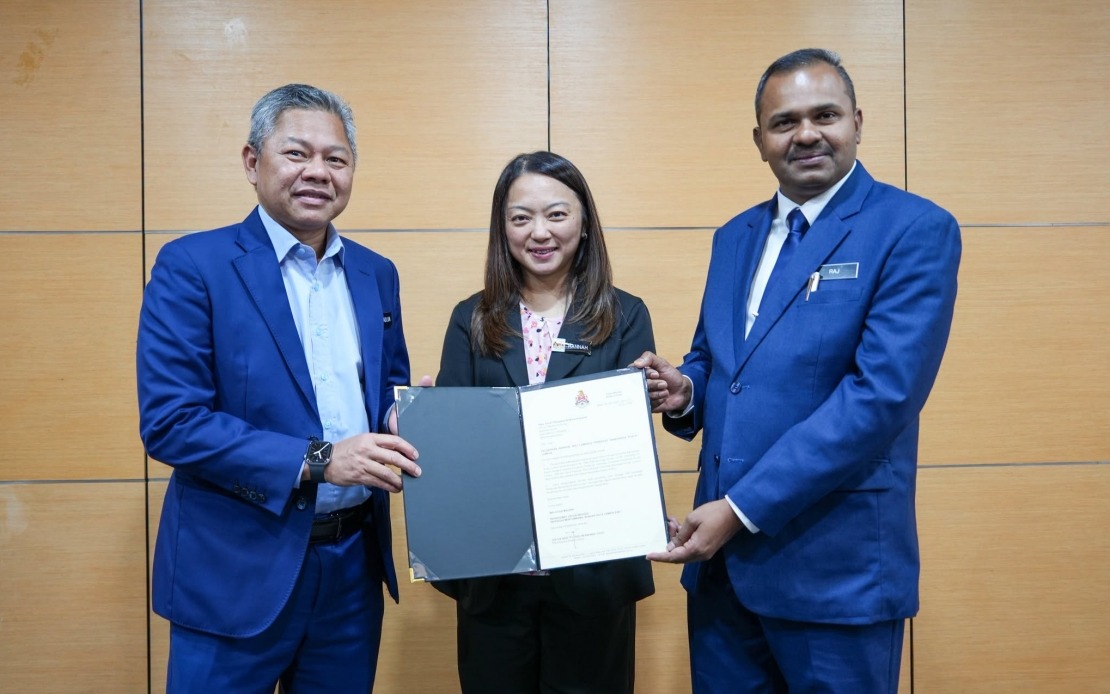
Federal Territories Minister Hannah Yeoh has welcomed the appointment of S. Thiyagaraj, a former corrections official, to the Kuala Lumpur City Advisory Board, underscoring the significance of the role in shaping the capital's development and administrative direction. The appointment was formally presented by Kuala Lumpur Mayor Datuk Seri Fadlun Mak Ujud on June 29, with Hannah expressing confidence in Thiyagaraj's ability to serve residents effectively through constructive engagement with city leadership.
In her remarks, Hannah emphasized that advisory board membership carries considerable weight in contemporary urban governance. The board functions as a critical interface between municipal administration and public interests, providing the Mayor with essential perspectives on policies affecting the capital's millions of residents. This gatekeeping function has grown more important as Malaysian cities grapple with rapid urbanization, infrastructure pressures, and the need to balance development with livability concerns. Hannah stressed that board members must demonstrate unwavering integrity, technical competence, and a genuine commitment to improving how the city operates and responds to citizen needs.
Thiyagaraj brings substantial institutional experience to his new position, having spent nearly two decades in the Prisons Department from 2005 to 2023. His career trajectory culminated in senior technical roles, particularly as an Assistant Superintendent in the Technical Intelligence and Investigation Unit, positioning him as someone accustomed to managing complex organizational challenges and maintaining rigorous standards. This background suggests he understands how large bureaucracies function and where operational inefficiencies can be corrected—experience potentially valuable in advising on municipal service delivery.
The appointment also reflects a broader trend in Malaysian governance toward drawing advisory board members from diverse professional backgrounds rather than relying exclusively on businesspeople or traditional establishment figures. By recruiting someone from the security and corrections sector, the appointment demonstrates an intent to incorporate varied perspectives into policy conversations affecting Kuala Lumpur. This approach can strengthen governance by exposing urban administrators to viewpoints grounded in different professional disciplines and organizational cultures.
Hannah's characterization of the advisory board as fundamental to transparent, efficient, and responsive governance speaks to a recurring challenge in Malaysian urban management. Kuala Lumpur, as the nation's capital and economic hub, faces mounting expectations regarding service quality, traffic management, waste handling, and public space maintenance. Advisory boards, when composed of engaged members willing to provide candid feedback, can help identify governance blind spots and emerging public concerns before they escalate into political friction. The minister's emphasis on transparency and responsiveness suggests federal authorities recognize the importance of maintaining confidence in how the city is administered.
The timing of the appointment also carries context within Malaysia's broader governance narrative. The Federal Territories Ministry, under Hannah's leadership, has been working to modernize how Kuala Lumpur's administration functions and how stakeholder consultation occurs. Appointing individuals with specialized experience and demonstrated commitment to institutional standards signals an effort to elevate the technical caliber of advice available to the Mayor. This can translate into better-informed decisions on urban planning, infrastructure investment, and regulatory matters.
Thiyagaraj's transition from law enforcement to municipal advisory work reflects the kind of mid-to-late-career repositioning increasingly common among Malaysian civil servants seeking to broaden their impact beyond their original disciplines. His specific expertise in technical intelligence and investigation may prove particularly useful in advising on urban security matters, public safety infrastructure, and evidence-based approaches to municipal problem-solving. The advisory board can benefit from someone trained to analyze complex information and generate actionable recommendations.
The advisory board structure itself deserves attention for Malaysian readers considering urban governance issues. Unlike formal decision-making bodies, advisory boards function as consultative mechanisms, their influence depending largely on how seriously appointed officials regard their input. A board's effectiveness thus reflects the receptivity of political and administrative leadership. By publicly welcoming Thiyagaraj and articulating the board's strategic importance, Hannah is signaling that her ministry intends to treat advisory input seriously—a commitment that will be tested through how recommendations are subsequently implemented or addressed.
For Kuala Lumpur residents and stakeholders invested in the capital's trajectory, the appointment represents one data point within a larger picture of how city governance is evolving. The capital faces substantial challenges including traffic congestion, aging infrastructure, affordable housing shortages, and environmental management issues. Advisory boards cannot resolve these independently, but they can provide forums for airing grievances, proposing solutions, and ensuring that diverse community interests receive consideration in municipal planning. Thiyagaraj's appointment thus forms part of a broader institutional architecture meant to keep elected and appointed officials accountable to public expectations.
Looking forward, the significance of this appointment will depend on how actively Thiyagaraj engages with the board's mandate and whether his contributions influence meaningful policy adjustments. Hannah's public endorsement establishes expectations for professional performance, but the true test will occur through substantive participation in board discussions and the eventual implementation of recommendations. For observers of Malaysian governance, appointments to advisory bodies offer clues about how seriously authorities regard public participation and institutional renewal in urban administration.

