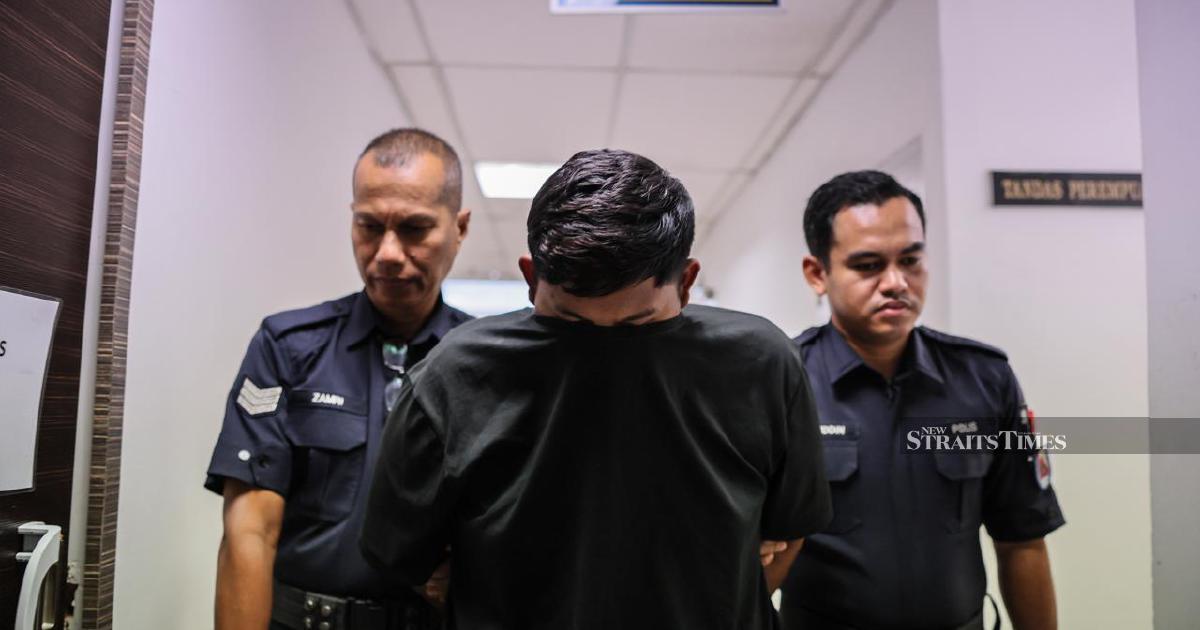
A 25-year-old man employed at a hardware store in Kuala Terengganu appeared before the Sessions Court on Tuesday to face serious charges of raping and sexually assaulting his teenage biological sister. The accused, who declined to enter a guilty plea, maintained his innocence against the allegations involving his 16-year-old sibling.
Cases involving incestuous sexual assault within families remain deeply concerning in Malaysia, raising broader questions about child safety within domestic environments. The court system regularly processes such cases, where familial relationships are exploited, often placing victims in particularly vulnerable positions due to the breach of trust and blood relations.
The Sessions Court jurisdiction covers more serious criminal offences in Malaysia's tiered judicial system. Cases of this nature typically involve extensive investigation by police and prosecution teams before charges are formally filed. The court's role encompasses hearing evidence from both prosecution and defence, ultimately determining whether guilt has been established beyond reasonable doubt.
Family-based sexual violence represents a persistent challenge across Southeast Asia. Victims often face additional psychological trauma stemming from the betrayal by someone within their immediate household. Teenagers, particularly those aged 16 and younger, are recognised as requiring enhanced legal protections under Malaysian law, which classifies them as children or near-children in vulnerable circumstances.
The trial process ahead will require the prosecution to establish its case through witness testimony, forensic evidence, and other documentation gathered during investigation phases. The accused's legal representation will present the defence's counter-arguments. Malaysian courts have shown willingness to impose substantial sentences in proven sexual assault cases, particularly where the victim is a minor and perpetrators exploit familial relationships.
Kuala Terengganu, located in the eastern state of Terengganu, like other Malaysian urban centres, has witnessed growing awareness of sexual assault reporting mechanisms. Advocacy organisations and government agencies have intensified efforts to encourage victims to come forward, recognising historical underreporting of such crimes. However, cases involving family members remain distinctly complicated, as victims must navigate emotional attachments, family pressures, and potential social stigma simultaneously.
The Malaysian legal framework provides specific statutes addressing rape and sexual assault, with definitions and penalties varying depending on victim age and offender relationship to the victim. Aggravating factors—such as perpetrators holding positions of familial authority or trust—typically result in more severe sentencing recommendations. Courts are statutorily required to consider victim impact statements and psychological evaluations when determining appropriate penalties.
This case occurs within a broader context of ongoing discussions about workplace and domestic safety in Malaysia. Hardware stores and similar retail establishments often employ younger workers, though this particular defendant worked in an environment distinct from the victim's. The separation between the accused's workplace and the alleged offences underscores the reality that such crimes frequently transpire within private household spaces, beyond public oversight.
The not guilty plea indicates the defence intends to contest the prosecution's version of events, whether through challenging evidence quality, questioning credibility of witnesses, or presenting alternative explanations. The burden of proof remains with the state, which must convince the court of the accused's culpability through legally acceptable evidence presented during trial proceedings.
Family counselling and support services in Malaysia have expanded in recent years, though accessibility remains uneven across states and income levels. Organisations working with sexual assault survivors consistently highlight the particular challenges faced by minors in incestuous situations, where escape and disclosure are psychologically complicated. The availability of these support networks throughout the investigative and trial processes is considered essential for victim wellbeing.
The upcoming trial will necessarily examine the circumstances surrounding the alleged incidents, including timing, location, and any witnesses present. Court procedures in Malaysian Sessions Courts typically span multiple hearing dates, allowing time for evidence presentation, cross-examination, and legal arguments before final judgment. Public interest in such cases often generates broader conversations about institutional safeguarding, parental supervision, and community responsibility in protecting vulnerable young people.
As the case proceeds through Malaysia's judicial system, the outcome will contribute to established jurisprudence regarding familial sexual assault prosecutions. The decision, whatever its nature, will represent how Malaysian courts weigh evidence in cases where accused individuals contest serious charges despite formal investigation and charging decisions by prosecuting authorities. These proceedings reflect the ongoing tension between presumptions of innocence and society's obligation to protect young people from sexual exploitation within their own families.

