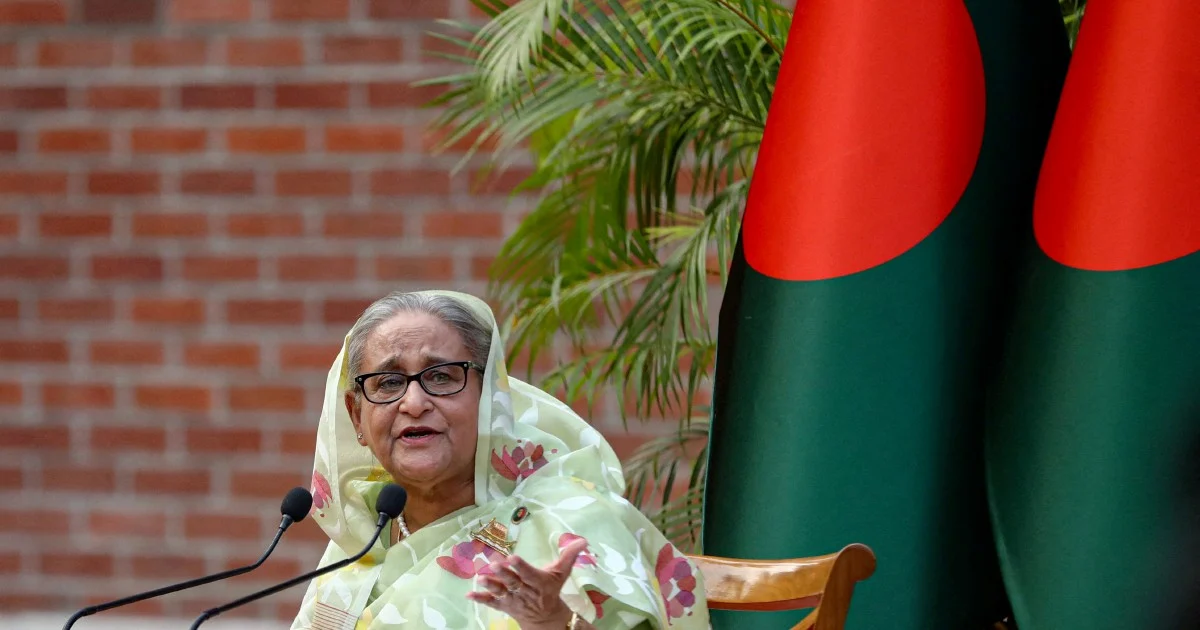
Bangladesh's interim administration has escalated tensions with ousted Prime Minister Sheikh Hasina by publicly warning that she will be arrested and imprisoned immediately upon her return from exile in India. The stark warning, delivered by a senior government official on Monday, directly contradicts Hasina's own recent assertions to international media that she intends to travel back to Dhaka in December and willingly submit herself to court proceedings. The contradiction underscores deepening divisions within Bangladesh's political landscape as the country grapples with questions about accountability and the future direction of its governance.
Hasina fled to India in August following widespread anti-government protests that culminated in her resignation and the collapse of her administration. The demonstrations, driven largely by student-led movements and civil society groups, reflected mounting public dissatisfaction with governance, economic hardship, and concerns about democratic freedoms. Her departure marked a dramatic end to her extended tenure as prime minister, during which she wielded considerable influence over Bengali politics and regional affairs. The circumstances of her exit left many questions unresolved about her government's record and the mechanisms through which accountability would be pursued.
The interim government that succeeded Hasina has initiated what officials describe as a comprehensive review of her administration's conduct, with particular focus on alleged extrajudicial killings, enforced disappearances, and corruption during her time in office. Human rights groups and international observers have documented numerous cases during the previous regime, though establishing responsibility and proceeding with legal action remains complex. The government's hardline stance on Hasina's potential return suggests that any prosecution would proceed swiftly and without the legal accommodations she may have been anticipating when she expressed willingness to face court.
Hasina's comments to Reuters about returning voluntarily and surrendering represented a significant shift in tone from her earlier statements. Her apparent confidence that she could manage her legal situation through negotiated surrender reflected perhaps a misunderstanding of the interim government's resolve, or possibly a strategic attempt to control her narrative and demonstrate a willingness to face justice on her own terms. The government's public rejection of this scenario eliminates any ambiguity about what awaits her upon arrival, transforming her theoretical December return from a managed legal proceeding into a confrontation with state authority.
For Malaysia and other Southeast Asian nations, the situation highlights the volatile political transitions that can occur in the region when public anger against incumbent leaders reaches critical mass. The Bangladesh crisis demonstrates how rapidly established power structures can collapse and how successor governments may pursue accountability measures with intensity that previous administrations would have considered unthinkable. Malaysia's own political history includes examples of charged transitions, making the Bangladesh case instructive for understanding contemporary regional dynamics.
The timing of the government's warning appears calculated to deter Hasina from returning before the year's end, effectively closing off the December window she had referenced. By publicly declaring that arrest and imprisonment would be immediate and inevitable, officials have removed any incentive for voluntary surrender and substantially raised the stakes of any potential return. This strategy may reflect confidence in the interim administration's legal position or conversely, anxiety about her potentially returning with international protection or support that could complicate their plans.
International dimensions of the conflict remain significant. India's role in hosting Hasina and her current relationship with New Delhi could influence whether Bangladesh's interim government pursues extradition or whether geopolitical considerations prevent such requests. The situation reflects broader questions about asylum, accountability, and the extent to which regional powers will cooperate in prosecuting ousted leaders. Previous cases across South Asia demonstrate the complexity of such arrangements and the political sensitivities involved.
The divided signals from Hasina herself suggest possible miscalculation about the interim government's intentions or internal disagreements about her political future. Her willingness to express confidence about returning and facing courts may have been based on private assurances that the public warnings have now contradicted. Alternatively, Hasina may be attempting to maintain a public posture of dignity and acceptance of responsibility, knowing privately that any return would result in detention. Her advisors would presumably counsel extreme caution given the government's explicit warnings.
For observers tracking democratic transitions and political accountability in South Asia, the Bangladesh situation presents a cautionary tale about the perils facing ousted leaders in the region. Unlike established democracies with institutional safeguards and international legal frameworks, transitions in South Asian nations often involve elements of victor's justice and shifting standards. Hasina's position, despite her previous prominence and connections, illustrates how quickly political fortune can reverse and how comprehensively a successor government can marginalize a predecessor.
The practical implications extend to questions about whether any legal proceedings against Hasina would meet international standards for fairness and due process. Human rights organizations and international observers will likely scrutinize any prosecution carefully, particularly if the interim government proceeds with ambitious accountability measures across multiple officials and figures from the previous administration. The credibility of Bangladesh's judicial system and the interim government's commitment to rule of law will face significant testing.
Looking forward, Hasina's decision about whether to test the government's resolve by attempting to return will shape her personal fate and potentially influence Bangladesh's broader political trajectory. A return would likely result in her arrest and prosecution, while continued exile preserves her safety but potentially enables ongoing charges in absentia. The government's clear warning has effectively forced this choice into sharp focus, eliminating middle ground and establishing stakes that neither side can easily retreat from without substantial loss of face.

