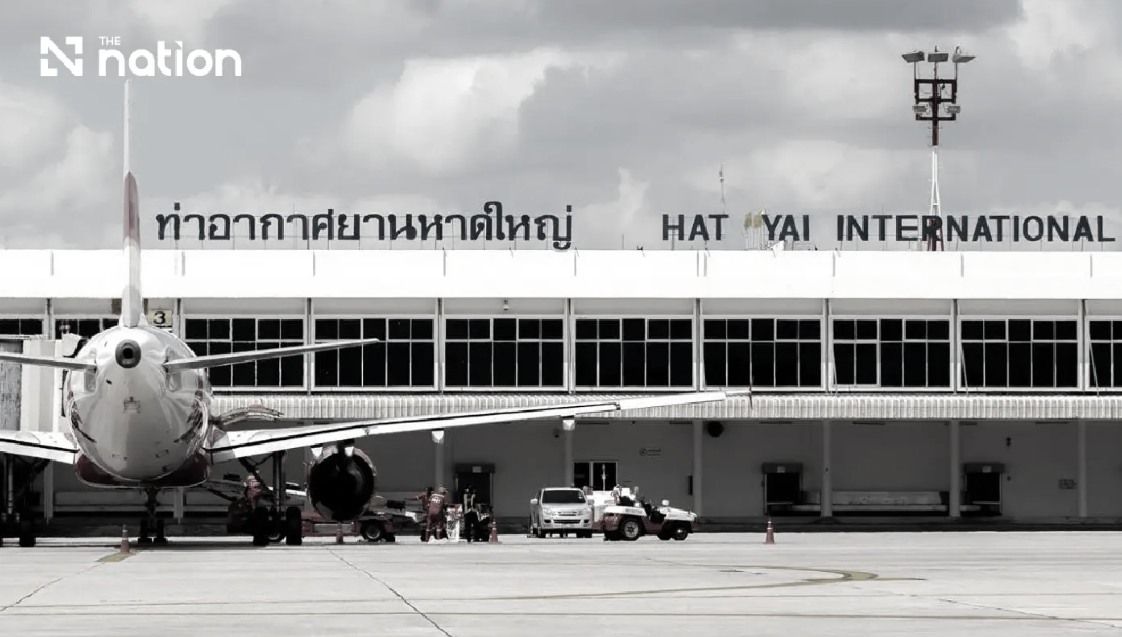
Hat Yai International Airport in southern Thailand ground its main runway to a halt on Wednesday afternoon following a mishap involving one of its emergency vehicles, creating significant disruption for passengers and airlines operating regional services across Southeast Asia. The incident forced airport authorities to issue an aviation notice closing Runway 26 from 1.55pm until 4.30pm on June 17, effectively preventing any aircraft from using the facility for landing operations during those critical hours. The unscheduled closure rippled across flight schedules, prompting several carriers to redirect their inbound services to nearby Krabi Airport, approximately 90 kilometres away, as an alternative landing point.
When an airport's primary runway becomes unavailable, even temporarily, the consequences extend far beyond the immediate airport itself. Hat Yai serves as a crucial transportation hub for southern Thailand, connecting the region to domestic and international destinations. The three-hour window of lost runway capacity meant that all arriving aircraft had to either hold in the air awaiting clearance from other regional airports or alter their flight paths entirely. For passengers unaware of the situation, receiving news of an unexpected diversion can prove frustrating and disorienting, particularly those with tight connections or time-sensitive commitments.
Flight-tracking data revealed that at least two aircraft were diverted during the closure window. Thai Airways International flight TG263 and Thai Lion Air flight SL712, both inbound to Hat Yai, were rerouted to Krabi Airport to ensure passenger safety and operational continuity. Thai Lion Air, a budget carrier with extensive operations throughout the region, and Thai Airways, the national carrier, both demonstrated the flexibility required of airlines when facing unexpected infrastructure disruptions. The diversions meant that passengers faced not only delays but also the prospect of ground transportation from Krabi back to their intended Hat Yai destinations, adding considerable inconvenience to their journeys.
Relatives of passengers aboard the affected flights attempted to obtain clarity on the situation as it unfolded. One individual contacted Hat Yai Airport directly to understand why landing operations had ceased, expressing concern for a family member travelling on the Thai Airways service. Airport personnel confirmed only that an emergency situation had arisen but refrained from providing comprehensive details during the immediate aftermath. This information vacuum, common in aviation emergencies, often leaves passengers and their families anxious and uncertain about their circumstances. The measured approach taken by airport staff reflected standard crisis communication protocols, prioritising immediate operational response over detailed public explanation.
The fire engine collision itself raises important questions about ground operations safety procedures at regional airports. Emergency vehicles, essential components of airport infrastructure, must navigate congested tarmacs shared with aircraft, fuel trucks, catering vehicles, and ground support equipment. An incident involving such a vehicle suggests either equipment malfunction, operator error, or an unexpected hazard on the runway surface. While airports routinely conduct safety drills and maintain protocols for emergency response coordination, actual incidents provide valuable learning opportunities for reviewing and strengthening existing procedures.
The decision to close the runway for extended periods following the accident reflected airport management's commitment to comprehensive safety assessment. Rather than rushing to reopen the facility, officials conducted thorough inspections of the affected runway surface and surrounding areas to identify any damage or hazards that could compromise subsequent flight operations. This cautious approach, though causing passenger inconvenience, represents prudent risk management in an industry where safety overshadows schedule considerations. Any debris, fluid spillage, or structural damage left unaddressed could endanger lives of hundreds of aircraft occupants.
For Malaysian travellers and those using regional airports across Southeast Asia, the Hat Yai incident underscores the vulnerability of air transportation systems to unexpected operational disruptions. Southern Thailand serves as a significant transit point for Malaysian passengers travelling to other parts of Thailand, Laos, and Cambodia. The closure at Hat Yai, even for a few hours, creates cascading effects throughout the region's flight networks, potentially affecting connections and schedules at multiple hubs. Airlines operating in this environment must maintain considerable operational flexibility and contingency planning to manage such situations effectively.
The experience of passengers aboard Thai Airways flight TG263, ultimately landing safely at Krabi Airport, highlighted the modern airline industry's capacity to adapt to changing circumstances while maintaining safety standards. The aircraft, its crew, and passengers endured an unexpected detour but reached their destination without incident. Ground staff at Krabi Airport, likely dealing with an unanticipated surge in arrivals, managed the influx professionally, demonstrating the regional coordination that occurs within Southeast Asian aviation networks during emergencies.
Communication with passengers and the public during airport incidents remains an ongoing challenge for aviation authorities. The initial opacity regarding the fire engine accident's nature and severity created uncertainty among affected passengers and their families. While operational focus rightly prioritises crisis management, parallel communication strategies can help manage public anxiety and reduce the information void that encourages speculation. Airlines and airports increasingly recognise that transparent, timely communication—even when details remain incomplete—builds passenger confidence and reduces frustration during disruptions.
The temporary closure of Hat Yai's Runway 26 serves as a reminder of the complex logistics underlying modern air travel. Hundreds of moving parts, both mechanical and human, must function harmoniously to maintain safe, efficient airport operations. When one component fails, whether a fire engine or any other piece of airport infrastructure, the entire system experiences disruption. For frequent travellers throughout Southeast Asia and Malaysia, understanding these operational realities helps contextualise delays and diversions as reflections of safety-first decision-making rather than mere inconvenience.