Malaysia's journalism community will have the chance to acquire exclusive commemorative items when limited-edition merchandise for the National Journalists' Day (HAWANA) 2026 celebrations debuts on June 20 at the main event in Penang. The special collection, produced specifically for this year's observance, marks another dimension to what organisers describe as the nation's largest professional gathering of media practitioners, underscoring the significance placed on honouring journalistic contributions to Malaysian development.
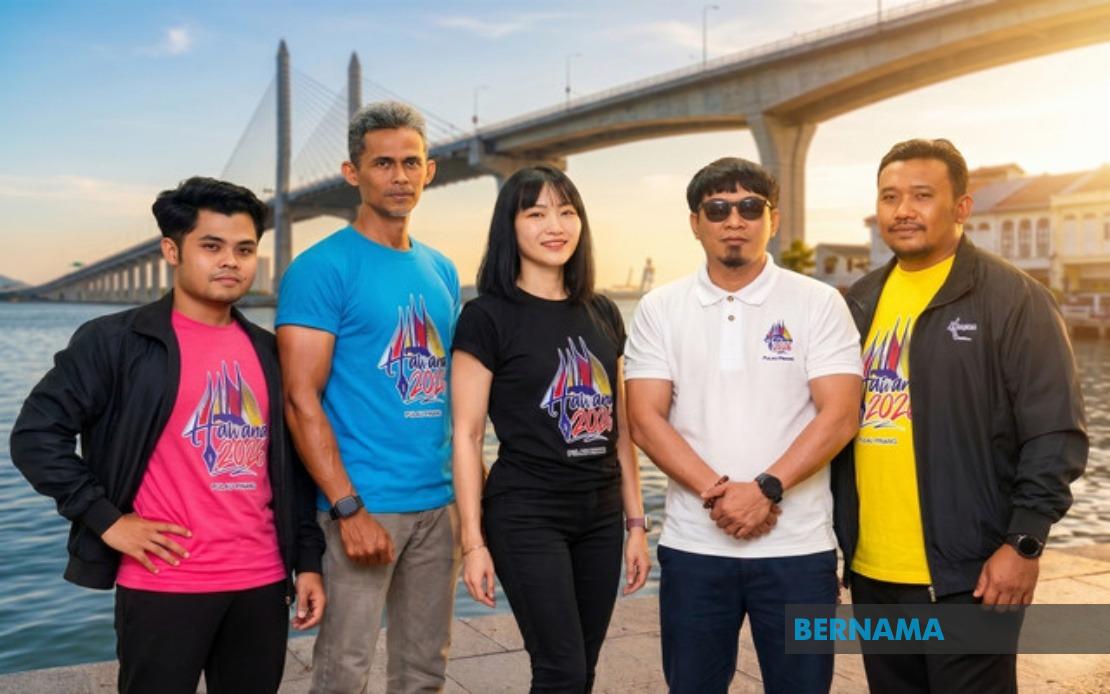
The merchandise range comprises three apparel items, each bearing the distinctive HAWANA 2026 official branding. A bomber jacket priced at RM59 represents the premium offering, while two T-shirt variants cater to different preferences: a collared design at RM37 and a round-neck option at RM30. These price points suggest accessibility for working journalists and media industry professionals, though the limited-edition status ensures scarcity value for collectors. Each piece functions as a tangible reminder of participation in this year's national journalism celebration, transforming functional apparel into documentary artifacts of professional recognition.
The merchandise will be distributed through the HAWANA Official Merchandise booth located at PICCA@ Arena Butterworth Convention Centre, the principal venue hosting the celebration's centrepiece activities. This strategic placement ensures visibility and accessibility throughout the event duration, though organisers have explicitly noted availability will be restricted to existing stock levels. For attendees, securing these items represents securing a piece of Malaysian journalism history, particularly given the thematic focus and high-profile official involvement guiding this year's iteration.
Prime Minister Datuk Seri Anwar Ibrahim is scheduled to officially inaugurate the HAWANA 2026 main celebration, lending significant governmental weight and visibility to an event addressing media integrity and credibility. The chosen theme, "Media Integrity Strengthens Credibility", reflects contemporary concerns about journalistic standards and public trust in news institutions—issues particularly relevant across Southeast Asia where media landscapes face complex pressures from technological disruption, commercial pressures, and information ecosystem fragmentation. The presence of the nation's top political leader at a journalism-focused event signals governmental commitment to recognising press contributions to democratic governance and national discourse.
Organisation of HAWANA 2026 involves coordination between the Ministry of Communications and the Malaysian National News Agency (Bernama), positioning the celebration within formal institutional structures rather than purely professional association channels. This governmental framing emphasises the state's investment in journalism as a profession warranting official recognition and support mechanisms. The involvement of Bernama as the implementing agency connects the celebration to Malaysia's foundational news infrastructure, creating institutional continuity that underscores journalism's historical importance to nation-building narratives.
Beyond the main event centred on professional recognition, the Penang edition incorporates broader community engagement through the RIUH Pi HAWANA Carnival, a three-day programme commencing June 19. This carnival component, integrating creative arts with dialogue sessions and multi-generational activities, democratises access to journalism-focused content beyond the professional practitioner audience. Such programming recognises that media literacy and journalism appreciation extend beyond newsroom professionals to encompass public understanding of information creation, editorial decision-making, and journalistic ethics. The carnival format suggests organisers view journalism celebration as an opportunity for public education rather than insular professional networking.
The timing and scale of HAWANA 2026 reflect Malaysia's positioning of journalism as integral to national development narratives. By gathering the largest congregation of media practitioners annually, the celebration creates professional cohesion, acknowledges contributions often underappreciated by general publics, and provides platforms for discussing industry challenges and standards. For Malaysian journalists, many of whom operate in increasingly competitive digital environments with compressed timelines and resource constraints, such official recognition offers meaningful professional affirmation of their societal role during periods of significant media transformation.
The merchandise offerings themselves warrant consideration as symbolic gestures within professional contexts. Branded apparel worn in public spaces becomes walking advertisement for the HAWANA 2026 celebration and the values it represents—namely, media integrity and credibility. For journalists wearing these items, they signal alignment with professional standards and commitment to journalistic principles. For broader audiences encountering individuals wearing HAWANA-branded merchandise, the items provide conversation entry points about media professionalism and journalism's democratic functions, subtly promoting media literacy in everyday interactions.
Regional implications of Malaysia's HAWANA celebration extend across Southeast Asia, where journalism communities face increasingly complex operating environments. The emphasis on media integrity and credibility resonates with regional concerns about misinformation, disinformation, and the erosion of trust in traditional news institutions. By hosting a large-scale celebration of journalism, Malaysia demonstrates commitment to professional standards at a time when regional press freedom indices reveal mounting pressures on independent reporting. The official governmental backing represented by Prime Minister participation signals to regional counterparts that journalism remains institutionally valued rather than marginalised.
For media professionals attending the June 20 event, the merchandise represents more than transactional purchases. These items embody participation in a professional moment of collective recognition and standard-setting. The limited-edition status creates urgency and desirability, likely driving acquisition attempts among attendees motivated by both practical desire for quality branded apparel and broader impulses toward memorialisation. The pricing structure—spanning RM30 to RM59—acknowledges varying financial circumstances within journalism professions, where compensation disparities between senior editors and junior reporters remain pronounced.
Looking forward, HAWANA 2026 merchandise may acquire additional significance as journalism in Malaysia navigates technological disruption, business model fragmentation, and evolving audience expectations. These physical commemorative items preserve markers of professional community at moments when digital-first operations and distributed workforce arrangements risk fragmenting traditional newsroom collegiality. For recipients, HAWANA-branded apparel becomes tangible evidence of professional belonging and institutional recognition, psychological anchors valuable during periods of industry uncertainty and transformation affecting media organisations regionally and globally.