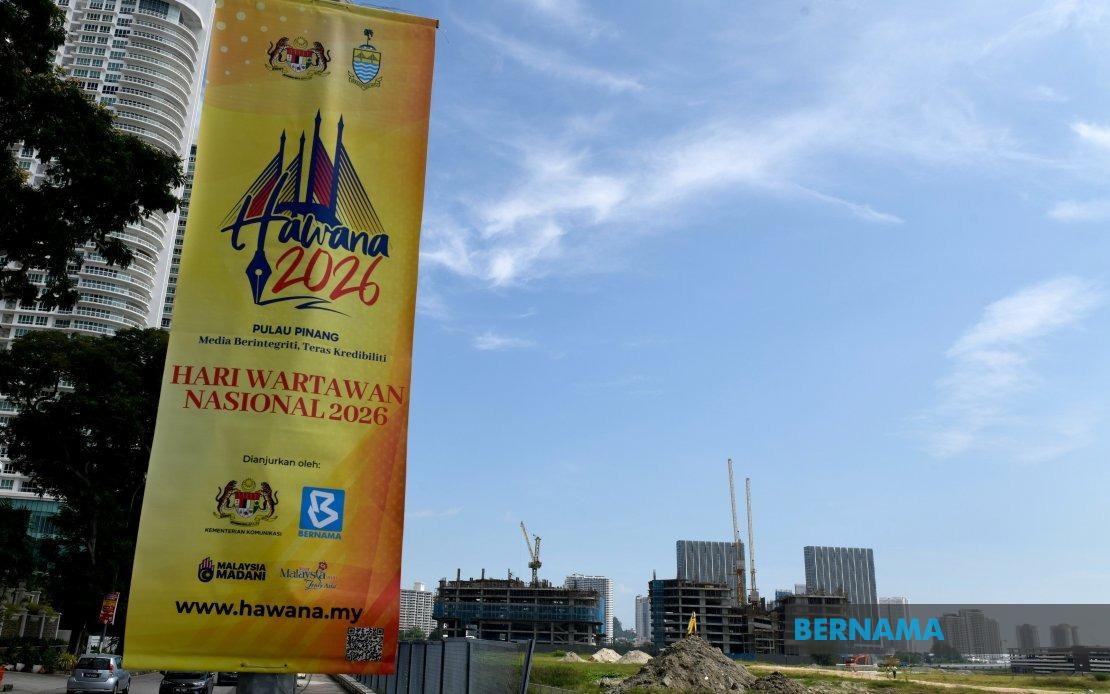
Penang is preparing to welcome one of Malaysia's most significant media industry events later this month, with state officials confident that the National Journalists' Day celebration will deliver tangible benefits across tourism and the broader creative economy. The selection of Penang as the inaugural host for HAWANA 2026 represents recognition of the state's capacity to organise major international gatherings whilst simultaneously amplifying its established reputation as a leading travel destination in the region.
State Tourism and Creative Economy Committee chairman Wong Hon Wai outlined the broader strategic significance of hosting the event, emphasising that HAWANA offers a distinctive platform to display Penang's rich cultural offerings, celebrated food scene, established tourism infrastructure, and burgeoning creative sector. By concentrating media attention from across Malaysia and neighbouring ASEAN nations on the state's assets, officials anticipate that the publicity will reinforce Penang's standing among both domestic and international visitors seeking authentic experiences and cultural immersion.
The economic implications extend well beyond symbolic recognition. Wong projected that the influx of thousands of journalists, media professionals, and accompanying visitors during the three-day event would generate meaningful spending across accommodation, hospitality, transport, retail, and existing tourist attractions. Hotels throughout the state, particularly in Seberang Perai where the main celebrations will occur, are reportedly experiencing robust booking levels, suggesting that tourism operators have already mobilised to capture the opportunity. The concentration of high-spending professional visitors promises to deliver both immediate revenue and longer-term marketing benefits as participating journalists return to their home markets with enhanced understanding of Penang's offerings.
The relationship between media engagement and economic development in tourism-dependent states like Penang has become increasingly sophisticated. Wong articulated how credible, sustained media coverage functions as a crucial mechanism for building consumer confidence in destinations whilst simultaneously amplifying visibility for regional creative talent and entrepreneurial ventures. In particular, the presence of professional journalists provides editorial validation that complements paid promotional efforts, reaching audiences predisposed to trust journalistic assessment over conventional advertising messaging.
Prime Minister Datuk Seri Anwar Ibrahim will officially inaugurate the main celebration on June 20 at the PICCA Convention Centre @ Butterworth Arena, with approximately 1,000 media practitioners attending the formal proceedings. The event operates under the thematic framework of 'Media Integrity Strengthens Credibility', positioning journalism as a professional discipline worthy of recognition and celebration whilst simultaneously acknowledging the critical role that ethical reporting plays in public discourse and institutional trust-building throughout Malaysia.
Beyond the formal journalistic component, organisers have engineered a parallel public-facing carnival experience designed to democratise engagement with the creative industries. The RIUH Pi HAWANA Carnival, extending across the same three-day period at the convention centre with free admission, is projected to attract approximately 30,000 visitors exploring hands-on creative workshops and commercial offerings from over 24 locally-based creative brands. This dual-track approach—simultaneous professional recognition and public engagement—maximises the event's reach and ensures that economic benefits permeate beyond media organisations into the broader creative sector.
The carnival programming reflects the breadth of Penang's contemporary creative landscape. Beyond curated experiences offered by established creative brands, the event will incorporate live stage performances from established and emerging local artists including Exists, Bunkface, Masdo, Sakura Band, Budak Nakal Hujung Simpang, and Chelsea Ng. This performance roster introduces audiences to musicians operating across different genres and career stages, functioning simultaneously as entertainment programming and as demonstration of Penang's capacity to nurture creative talent capable of commanding public attention and commercial viability.
Food and beverage components reflect the deliberate positioning of gastronomy as a cultural asset and economic sector. The presence of approximately 20 food vendors throughout the carnival grounds underscores how Penang's celebrated culinary heritage—itself a major factor in the state's tourism appeal—connects directly to creative economy narratives surrounding cultural expression, skill transmission, and entrepreneurial opportunity. For many visitors, particularly those travelling from other Malaysian states or from ASEAN nations, culinary experiences function as primary engagement points with local culture, making food vendor participation integral to the event's broader mission of cultural and economic promotion.
Wong's framing of media as essential partners in destination marketing and creative sector development reflects evolving understanding within Southeast Asian tourism and cultural policy circles regarding the interconnection between information flows and economic opportunity. Accurate, consistent, and compelling media representation of cultural assets and creative offerings generates what economists term 'reputation capital'—the competitive advantage that derives from widespread positive perception. For Penang, an established destination competing with neighbouring tourism regions and emerging competitors, HAWANA 2026 represents an opportunity to refresh and reinvigorate that reputation capital through concentrated engagement with professional communicators.
The Ministry of Communications, in partnership with news agency Bernama which executes operational arrangements, has positioned HAWANA as occasion for honouring Malaysian journalists' professional contributions whilst simultaneously leveraging the event's convening power to advance national tourism and creative economy objectives. This alignment between professional recognition and economic development strategy reflects sophisticated understanding that events honouring industry practitioners simultaneously generate publicity benefits and attract high-value visitors predisposed toward engaging seriously with cultural and creative offerings.
For Malaysian businesses operating within creative sectors—from visual arts and design through music production, publishing, and digital media—the presence of 1,000 media professionals from Malaysia and neighbouring countries presents networking and partnership potential that extends well beyond the event's formal duration. Journalists attending HAWANA often maintain professional connections with peers from other territories, creating informal networks through which stories, business opportunities, and collaborative possibilities circulate. This networking dimension, whilst difficult to quantify immediately, frequently generates the most substantial long-term benefits from major media industry gatherings.
Penang's selection as host carries implications beyond the state's immediate borders. Neighbouring states and territories observing Penang's successful execution of HAWANA will assess outcomes with attention toward their own capacity to host comparable events, potentially intensifying regional competition for major industry gatherings. Simultaneously, success in positioning HAWANA as catalyst for tourism and creative economy growth may influence how federal agencies and state governments across Malaysia conceptualise the relationship between media industry development, cultural tourism, and broader economic diversification strategies.
The convergence of professional journalism celebration, public cultural engagement, and deliberate economic activation through HAWANA 2026 exemplifies how Southeast Asian destinations increasingly leverage cultural events as integrated tourism and economic development instruments. For Penang, the three-day gathering represents both immediate economic opportunity and longer-term competitive positioning within regional tourism markets increasingly saturated with destinations offering comparable heritage, food, and cultural attractions.