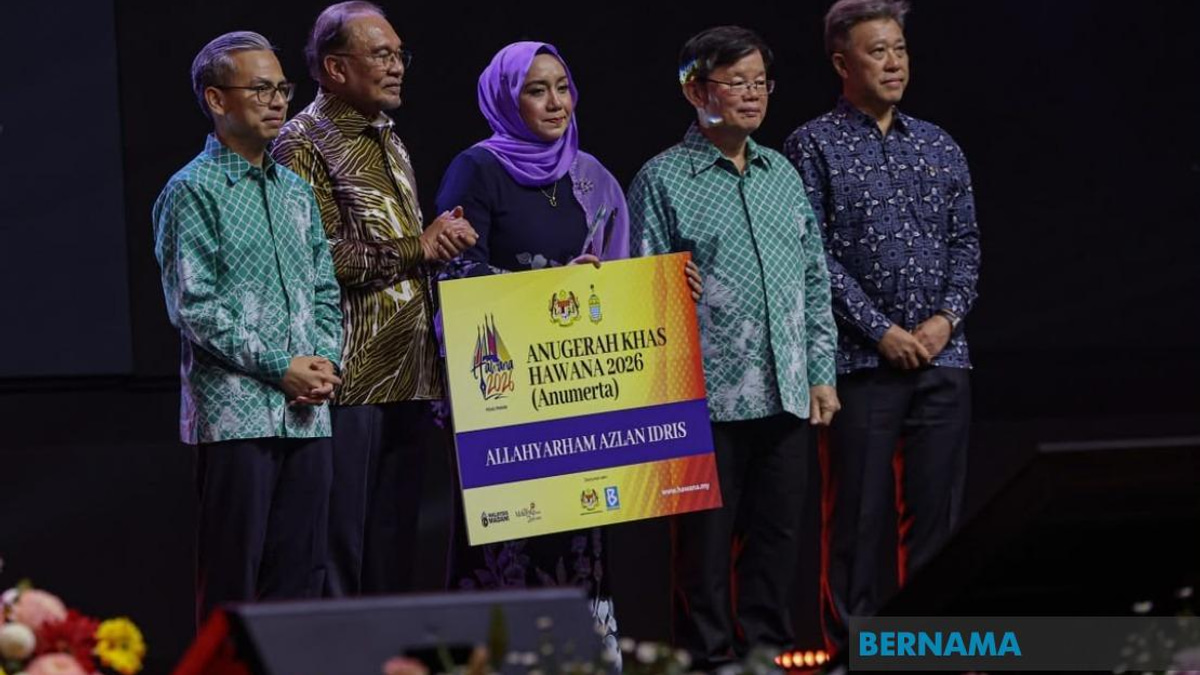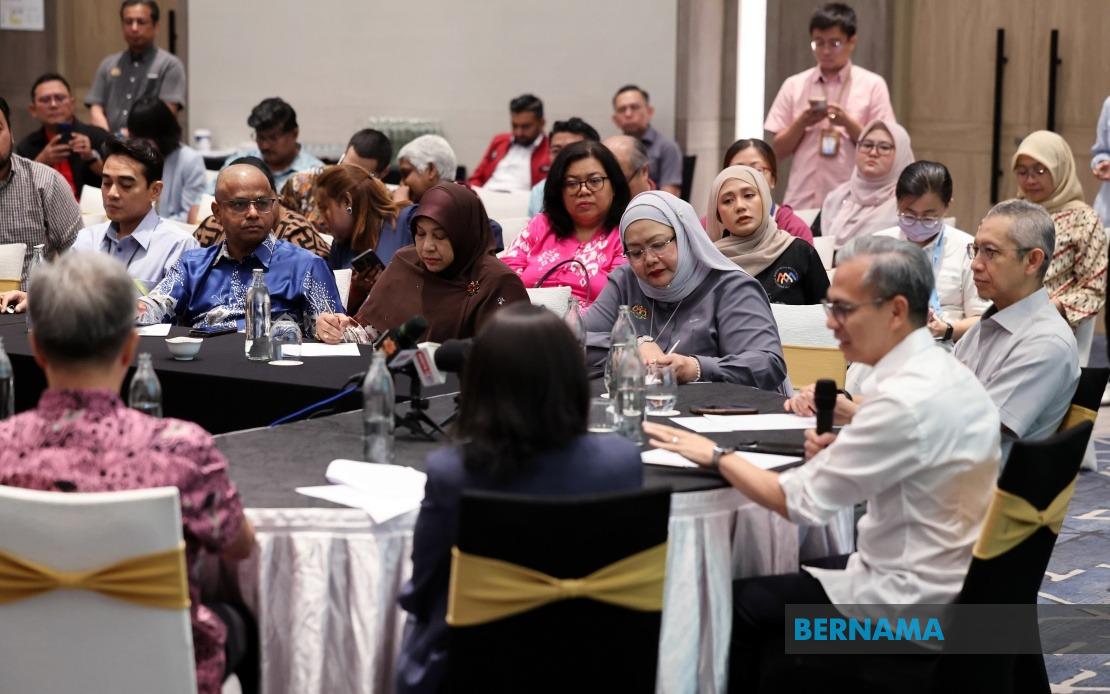
Media professionals and strategic partners from across Malaysia and neighbouring ASEAN nations have started converging on the PICCA@Arena Butterworth Convention Centre for the National Journalists' Day summit, marking a significant gathering that underscores the region's commitment to journalistic excellence. The three-day event, formally known as HAWANA 2026, will be graced by Prime Minister Datuk Seri Anwar Ibrahim, who is expected to officiate proceedings and address the assembled delegates representing some of Southeast Asia's most influential news organisations.
The arrival of participants reflects the summit's expanded scope this year, with organisers anticipating the attendance of approximately 1,000 media professionals. Beyond the formal conference sessions, attendees have been taking advantage of the convention centre's facilities to network informally, with many using the occasion to reconnect with colleagues they rarely encounter given the demanding schedules that characterise modern newsrooms. The exhibition space and dedicated photo gallery have proven popular among early arrivals, offering delegates opportunities to explore industry developments and technological innovations shaping the future of journalism across the region.
Under the theme 'Media Integrity Strengthens Credibility', the summit positions itself as a crucial forum for discussing the challenges and responsibilities facing contemporary news organisations. The emphasis on integrity reflects growing concerns across Southeast Asia about misinformation, disinformation, and the erosion of public trust in traditional media institutions. For Malaysian journalists and media leaders, the event provides a platform to articulate the profession's commitment to accuracy and verification in an era when false narratives can spread instantaneously through social media channels.
The presence of ASEAN delegations highlights the increasingly interconnected nature of regional journalism and the recognition that media standards and practices transcend national boundaries. Southeast Asian newsrooms face remarkably similar pressures—from economic constraints affecting news production to political sensitivities that can complicate investigative reporting. By bringing together practitioners from across the region, HAWANA creates opportunities for knowledge-sharing and the development of common frameworks for addressing shared challenges. This regional approach acknowledges that media integrity cannot be achieved in isolation; it requires coordinated efforts across borders and genuine collaboration among news organisations that sometimes compete fiercely for audience attention.
Bernama, the Malaysian National News Agency, is implementing the summit through coordination with the Ministry of Communications. As Malaysia's principal news gathering and distribution organisation, Bernama's role in organising this event underscores its position as a custodian of journalistic standards within the country. The agency has long served as a training ground for journalists and a reference point for news verification practices, making it the natural choice to host this gathering of regional media leaders. The involvement of government structures alongside independent media practitioners reflects an acknowledgment that media integrity serves broader national interests in maintaining social cohesion and public confidence in information institutions.
The timing of HAWANA 2026 comes at a moment when Southeast Asian media faces intensifying pressure from technological disruption, changing audience preferences, and evolving regulatory environments. Newsrooms across Malaysia, Indonesia, Thailand, the Philippines, and Singapore have had to restructure operations substantially over the past five years, adapting to digital-first publishing models while often operating with reduced budgets and smaller editorial teams. For Malaysian journalists in particular, the summit offers valuable context for understanding how peers in comparable markets are navigating these transitions and what strategies have proven most effective in maintaining journalistic standards amid financial constraints.
The formal recognition of media practitioners' contributions, which HAWANA provides annually, carries symbolic importance in societies where press freedom and journalist safety remain contested issues. In Malaysia's pluralistic media landscape, where outlets ranging from state-affiliated news services to independent online platforms operate side by side, National Journalists' Day serves as a moment for the profession to assert its values and contributions to informed citizenship. The summit's focus on credibility directly addresses one of the most persistent criticisms levelled at Malaysian media: the perception that certain outlets prioritise partisan advantage over factual accuracy. By centering the conversation on integrity and verification, HAWANA implicitly commits the profession to elevating these standards.
The exhibition booths present at the convention centre likely showcase technological solutions designed to enhance newsroom efficiency and content verification capabilities. In recent years, artificial intelligence applications, blockchain-based verification systems, and sophisticated data analytics tools have begun transforming how journalists research stories and authenticate sources. Malaysian news organisations, particularly smaller outlets operating with limited resources, may find value in exploring these innovations and learning from regional peers about cost-effective implementation strategies. The informal networking opportunities these exhibitions provide often prove as valuable as formal conference sessions, allowing editors and reporters to build relationships that facilitate future collaboration on regional stories.
For Southeast Asian media to maintain public trust and journalistic credibility, the kinds of dialogues that HAWANA facilitates have become increasingly essential. As misinformation campaigns grow more sophisticated and social media algorithms inadvertently amplify sensational or false narratives, professional journalists must demonstrate clearly what distinguishes their work from unverified content circulating online. The summit's emphasis on media integrity directly addresses this challenge by reaffirming professional standards and creating spaces for practitioners to discuss implementation in their specific national contexts. For Malaysian attendees, the gathering provides both an opportunity to learn from international best practices and a platform to share how Malaysian journalists have adapted professional standards to function effectively within the country's particular regulatory and social environment.