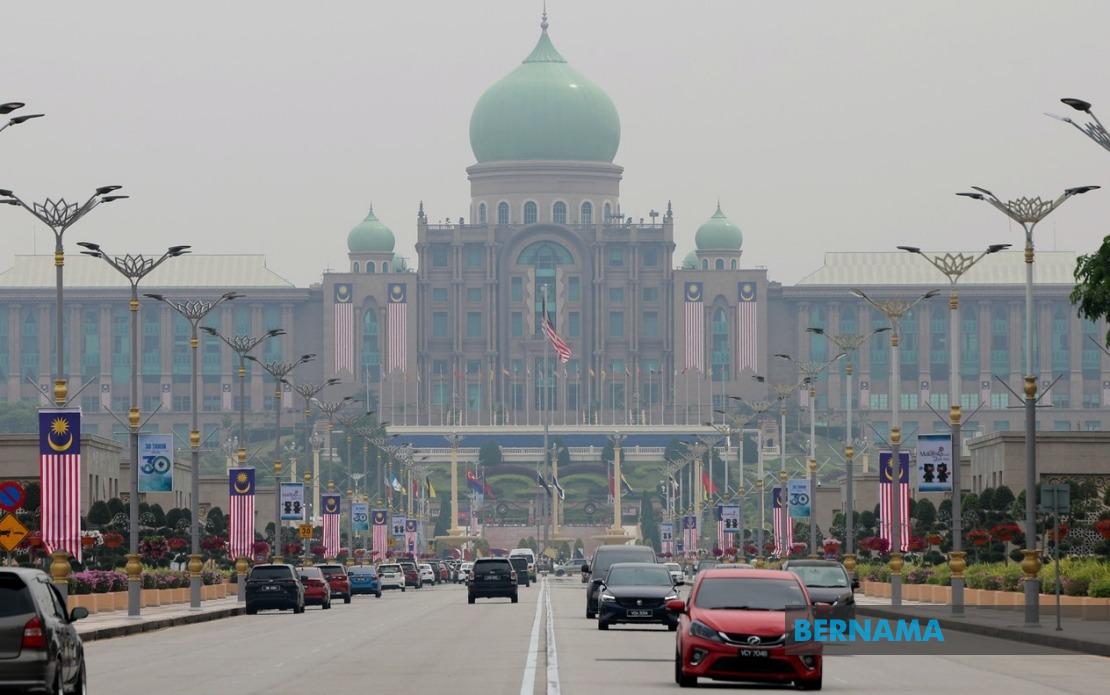
The worsening haze affecting Southeast Asia will feature prominently in discussions between Prime Minister Datuk Seri Anwar Ibrahim and Sultan Hassanal Bolkiah during a two-day bilateral visit to Brunei beginning tomorrow. The environmental crisis has emerged as a key agenda item for the 27th Malaysia-Brunei Annual Leaders' Consultation (ALC-27), reflecting the urgency both governments now place on transboundary pollution affecting the region's air quality and public health.
Malaysian High Commissioner to Brunei Datuk Mohd Aini Atan confirmed that the haze situation ranks among pressing contemporary issues requiring high-level diplomatic attention. The commission represents Malaysia's top-tier bilateral engagement mechanism with Brunei, elevating air pollution to strategic importance alongside traditional trade, defence, and diplomatic matters typically addressed at such meetings.
Sarawak has borne the brunt of the pollution crisis, transforming the state into the focal point of regional concern. The presence of Sarawak Premier Tan Sri Abang Johari Tun Openg and Sabah Chief Minister Datuk Seri Hajiji Noor at the consultation ensures that East Malaysian voices shape the discussion, guaranteeing that local experiences of deteriorating air quality directly influence federal-level diplomacy with Brunei.
Real-time air quality data underscores the severity facing residents across Sarawak. The Serian area recorded an Air Pollutant Index (API) reading of 204 as of 5 pm on August 20, classifying the air as "very unhealthy" according to the Malaysian Air Pollutant Index Management System (APIMS) portal. This represents dangerous pollution levels where prolonged outdoor exposure poses significant health risks, particularly for children, the elderly, and those with respiratory conditions.
Beyond Serian, five other Sarawak municipalities experienced "unhealthy" API readings that same day, indicating widespread rather than localized degradation. Kuching, the state capital and commercial hub, registered 195; Samarahan measured 182; Sri Aman reached 179; Sarikei hit 158; and Sibu posted 152. This geographic spread demonstrates how haze penetrates population centres across Sarawak's interior and coastal regions simultaneously, creating a public health emergency affecting millions of residents.
The timing of these discussions reflects Malaysia's diplomatic strategy toward transboundary environmental challenges. Unlike bilateral disputes over territorial or trade matters, haze transcends borders through atmospheric circulation, making it inherently regional. Brunei, while geographically separated from Sarawak's worst-affected zones, nonetheless experiences spillover pollution during haze episodes. This shared vulnerability creates diplomatic opening for addressing root causes rather than merely managing symptoms.
Historically, Southeast Asian haze originates from multiple sources including agricultural burning, forest fires, and industrial emissions across the region. Land-use conflicts in Malaysia, Indonesia, and neighbouring areas frequently trigger burning seasons that generate transboundary smoke. Brunei, as a small, resource-rich nation with limited agricultural lands, maintains different environmental pressures but nonetheless experiences air quality deterioration when regional burning episodes occur.
The Annual Leaders' Consultation mechanism provides Malaysia and Brunei with structured opportunity to address environmental governance questions that individual ministry-level talks might struggle to resolve. Prime ministerial attendance signals that haze has transcended technical environmental policy to become a political priority affecting bilateral relations and public confidence in government responsiveness.
For Malaysian readers, particularly those in Sarawak enduring daily exposure to hazardous air, these high-level discussions represent concrete governmental action on an issue directly impacting quality of life. Schools frequently close during severe haze episodes, businesses suffer productivity losses, healthcare systems strain under respiratory illness surges, and outdoor economic activities collapse. Public frustration with air quality has mounted across years of recurring crises, making visible diplomatic engagement politically essential.
The consultation also provides platform for discussing regional coordination mechanisms that could improve haze prevention and response. Joint monitoring systems, cross-border fire management protocols, and coordinated environmental enforcement represent potential outcomes that premier-level discussions might catalyze, though implementation challenges remain substantial given Indonesia's role in regional burning patterns.
Brunei's perspective on haze carries particular weight given its oil-dependent economy and relatively strict environmental regulations domestically. As a sultanate with significant wealth but small population, Brunei has maintained stricter air quality standards than many neighbours, potentially positioning it as advocate for tougher regional approaches during discussions with Malaysia.
The inclusion of Sarawak and Sabah leaders in the delegation reflects federalism's role in Malaysian environmental policy. East Malaysian states maintain considerable autonomy over land use and forestry management, meaning any federal-level agreements with Brunei ultimately depend on state-level implementation and enforcement capacity. This political reality means the premiers' participation represents essential commitment to translating diplomatic understandings into operational reality on the ground.
For broader Southeast Asian observers, these Malaysia-Brunei consultations serve as barometer of regional willingness to prioritize environmental cooperation. As climate change intensifies extreme weather patterns and potentially expands fire seasons, diplomatic frameworks addressing transboundary pollution become increasingly critical infrastructure for regional stability and public welfare.

