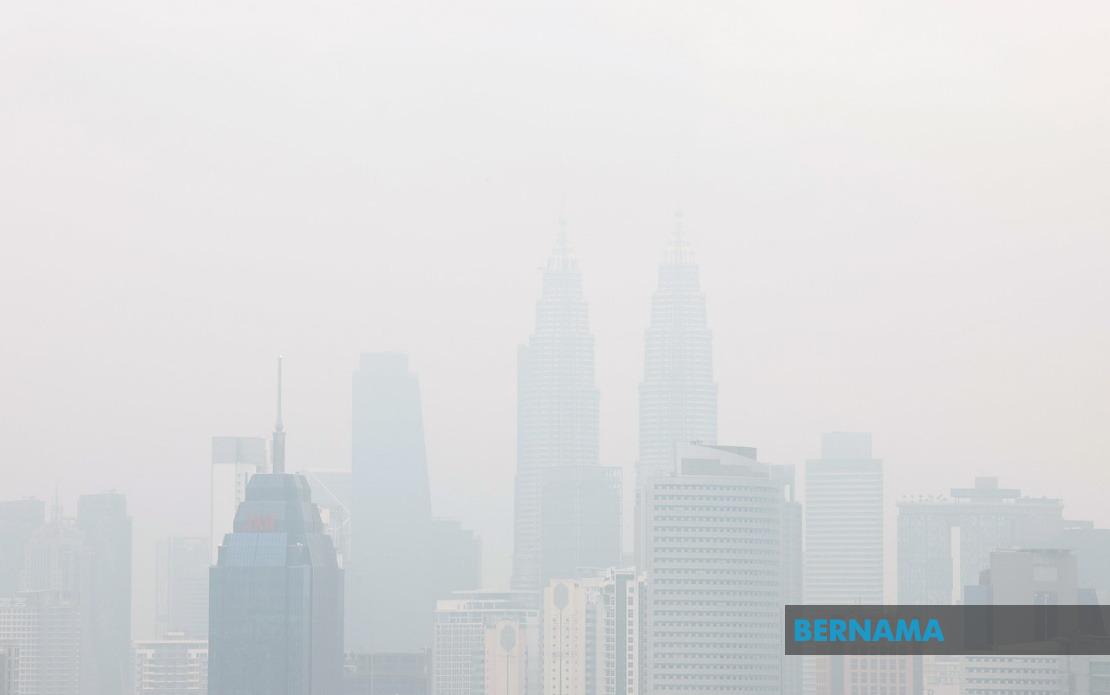
Malaysia's Youth and Sports Minister Dr Mohammed Taufiq Johari has reassured the nation that deteriorating air quality will not derail the country's preparations for the upcoming Aichi-Nagoya 2026 Asian Games, which run from September 19 to October 3. Speaking in Sungai Petani, the minister outlined a comprehensive strategy to protect athletes' health while maintaining training momentum ahead of the regional sporting showcase.
The haze situation across Southeast Asia has raised concerns about outdoor sporting activities, particularly given its historical impact on the region during peak fire seasons. However, Taufiq stressed that Malaysian authorities have developed robust protocols to navigate this challenge. His comments followed a Cabinet-level discussion specifically addressing the escalating haze conditions, signalling that the issue has received high-level government attention despite competing policy priorities.
The ministry's approach centres on a pragmatic shift in training logistics rather than any reduction in preparation intensity. By transitioning a greater proportion of athletes' conditioning sessions to indoor venues, Malaysian sports officials aim to maintain competitive standards whilst minimising health risks associated with prolonged exposure to hazardous air quality. This reflects international best practices adopted by other nations during air quality emergencies, balancing athlete welfare against the imperative of Olympic and Games preparation cycles.
Consultation with the National Sports Institute (ISN) has informed these decisions, ensuring that medical and athletic expertise shapes the contingency planning. The institute's involvement underscores Malaysia's commitment to evidence-based sports administration, moving beyond reactive crisis management towards scientifically grounded mitigation strategies. This collaborative approach between government agencies and technical bodies demonstrates institutional maturity in addressing multifaceted challenges that intersect public health, environmental, and sporting concerns.
The practical implementation involves redirecting outdoor training blocks—typically conducted at open-air tracks, fields, and water facilities—towards Malaysia's network of indoor sports complexes, climate-controlled halls, and stadium facilities. Such venues exist across the country's major sporting hubs, from Kuala Lumpur to regional centres, providing adequate infrastructure for maintaining athlete conditioning without compromising on quality or specialisation. The transition requires logistical coordination but avoids the complete training disruptions that might occur if no contingency existed.
This proactive stance carries implications beyond immediate Games preparation. With air quality episodes becoming increasingly frequent across the region—driven by transboundary haze, climate variability, and seasonal agricultural burning—Malaysian sports authorities are essentially establishing a template for resilience in regional sporting calendars. Other Southeast Asian nations hosting major events or training world-class athletes face similar vulnerabilities, making Malaysia's experience instructive for broader discussions on climate adaptation in sports.
Taufiq also used the occasion to highlight community engagement initiatives, noting that a Merdeka motorcycle convoy attracted approximately 400 participants across multiple stops in Sungai Petani. The three-hour event, spanning constituencies including Sidam, Pantai Merdeka, and Bakar Arang, served dual purposes—commemorating Malaysia's independence whilst allowing the minister to discuss sports and youth programmes directly with constituents. Such grassroots connectivity complements top-down policy implementation, creating broader ownership of sporting ambitions.
The timing of these assurances matters for athlete psychology and public confidence. As competition dates approach, uncertainty about training conditions can create anxiety amongst competitors and undermine preparation protocols. By articulating clear contingency plans, the ministry provides psychological reassurance that enables athletes to focus on performance optimisation rather than environmental variables beyond their control. This maintains morale within Malaysia's sporting fraternity during a critical preparation phase.
Sustaining competitive excellence amid environmental constraints reflects Malaysia's broader positioning as a resilient sporting nation. The country has hosted major regional and international events despite geographic challenges including tropical climate variability and occasional environmental episodes. Successfully managing the current haze challenge whilst preserving athlete welfare and competitive readiness will reinforce Malaysia's capability to deliver world-class sporting standards regardless of external conditions.
Looking forward, these protocols may warrant periodic review and refinement. Should haze conditions worsen beyond anticipated levels, or if specific sports require outdoor preparation irreducible to indoor alternatives, further contingency measures—including possible training relocations to less affected regions or timing adjustments—remain available. The current framework represents a balanced first response, neither alarmist nor dismissive of genuine environmental threats to athlete health and performance.

