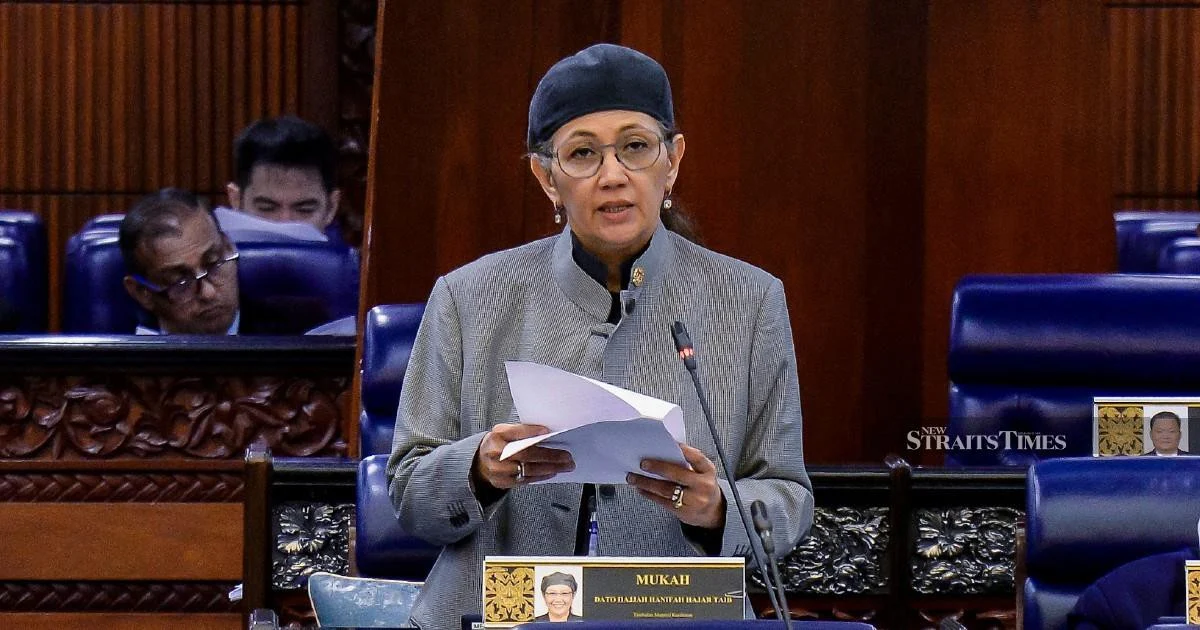
Malaysia's Health Ministry has taken action by establishing a dedicated investigative committee to examine accusations of professional misconduct against its medical personnel following the Taiping Prison disturbance that erupted in January of the preceding year. This development marks an official acknowledgment that questions surrounding the conduct of healthcare staff during the high-profile incident warrant formal scrutiny and systematic examination.
The formation of this special committee signals the ministry's commitment to ensuring accountability within its ranks and addressing public concerns about the actions taken by medical professionals during the prison upheaval. The decision comes after mounting questions regarding whether health service providers adequately fulfilled their responsibilities during the chaotic events at the Taiping facility.
Taiping Prison, located in Perak, has been the subject of considerable media and public attention following the January riot, which represented a significant security incident within Malaysia's correctional system. The establishment of a ministry-level investigation underscores the seriousness with which authorities are treating allegations of improper conduct by healthcare workers during this episode.
The exact nature of the allegations against the medical officers remains subject to the committee's examination, though the formation of a dedicated investigative body suggests that concerns extend beyond minor procedural issues. Medical personnel stationed at correctional facilities occupy a sensitive position, responsible for maintaining professional standards while operating within a complex institutional environment.
For Malaysian healthcare workers and the broader medical community, this investigation carries significant implications regarding occupational conduct and ethical standards within institutional settings. The scrutiny could influence how medical protocols are developed and implemented in prisons and other secure facilities across the country.
The committee's establishment also reflects broader discussions within Malaysia about oversight mechanisms within the public health system and how accountability is maintained when healthcare providers work in non-traditional settings. Prison medical services represent a specialised field where doctors and nurses must balance clinical responsibilities with security considerations, creating potential areas of tension during emergencies.
Regionally, Malaysia's approach to investigating such allegations may serve as a reference point for other Southeast Asian nations grappling with similar questions about professional conduct in correctional settings. Many countries in the region operate with comparable prison systems and face parallel challenges in ensuring healthcare standards are maintained in detention facilities.
The investigation's outcome could have practical consequences for how medical services are organised and supervised in Malaysian prisons going forward. Depending on the committee's findings, institutional reforms might be implemented to clarify the roles and responsibilities of healthcare staff during security incidents or prison disturbances.
For inmates and civil rights advocates, the inquiry represents an important mechanism for examining whether detainees received appropriate medical care during and after the January events. Prison healthcare remains a sensitive area in human rights discourse, and proper investigation of misconduct allegations can contribute to building confidence in Malaysia's correctional healthcare system.
The timeline for the committee's work and the anticipated release of findings have not been publicly announced, leaving questions about how quickly the investigation will progress and when conclusions might be communicated to stakeholders including the Health Ministry, prison authorities, and the public.
This development also highlights the intersection between two significant institutional systems in Malaysia—healthcare delivery and correctional administration—and the need for clear protocols governing how these sectors interact during crisis situations. The committee's investigation may ultimately inform policy discussions about training, communication procedures, and authority structures in such scenarios.
As the committee proceeds with its examination, attention will likely focus on whether systemic improvements emerge from the process and how the findings address underlying questions about professional standards in Malaysia's institutional healthcare settings.

