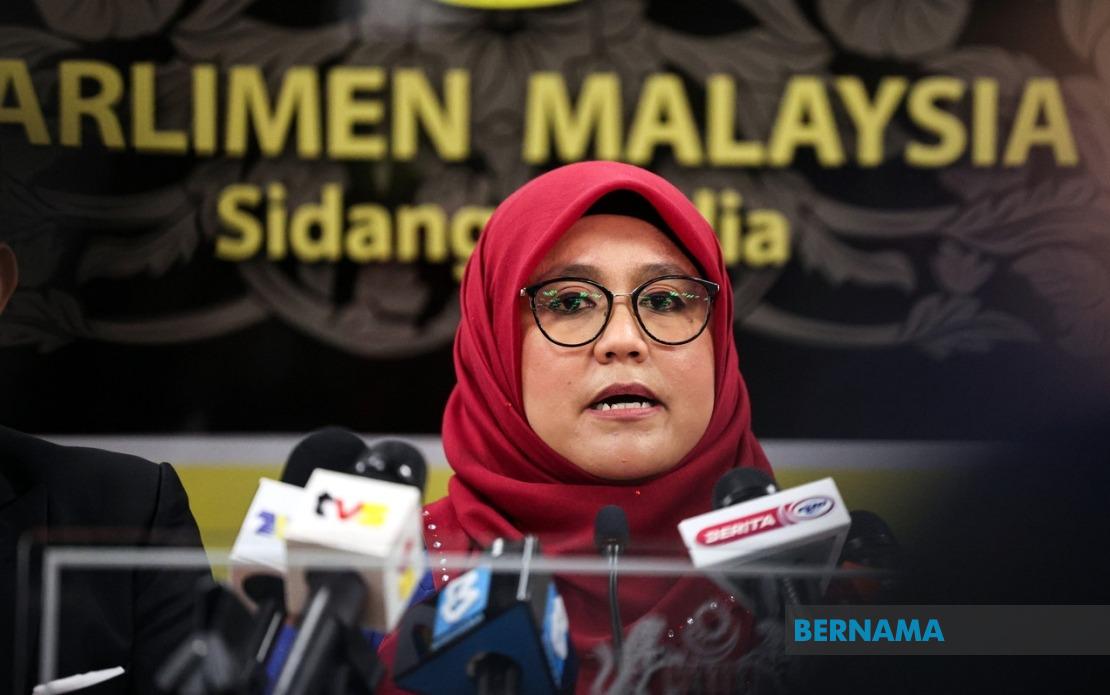
The costs burdening Malaysians seeking private healthcare treatment extend far beyond what doctors charge for their services. A fresh investigation by the Public Accounts Committee has pinpointed a more troubling culprit: the sprawling, unmonitored charges imposed by private hospitals themselves. Speaking through PAC member Dr Halimah Ali in Parliament on June 25, committee chairman Datuk Mas Ermieyati Samsudin detailed how medical supplies, diagnostic tests, equipment and medicines—none subject to price regulation—have become the real engines driving insurance premium increases across the nation.
The regulatory imbalance underlying this problem stretches back more than a decade. While professional fees charged by doctors have been controlled since 2013, the extensive ecosystem of non-professional costs has operated without meaningful oversight. This oversight applies to medical technology, treatments, and the day-to-day operating expenses that private hospitals pass along to patients: labour costs, utilities, technology infrastructure and even litigation expenses tied to defensive medicine practices. The absence of guardrails in this domain has allowed hospitals considerable latitude in determining what patients ultimately pay.
Transparency itself has become a casualty in this system. The PAC investigation discovered that private hospitals lack any standardised billing framework, making it nearly impossible for patients or insurers to understand what they are truly paying for. This opacity extends to a common practice where hospitals embed the costs of ancillary services—nursing, utilities and other overhead—into medicine prices, obscuring the true economic breakdown of treatment. The absence of standardised pricing structures also enables hospitals to charge wildly different rates depending on how a patient pays, fundamentally undermining the fairness and predictability patients expect when purchasing healthcare.
One particularly troubling finding concerns the practice of unbundling, where basic items that logically belong in standard room or service charges are instead billed separately. Pillowcases, clinical waste disposal and alcohol swabs—items that should represent routine inclusions in hospital accommodation—are being itemised and charged individually. This practice, while technically transparent, nevertheless reflects a fragmentation of billing that multiplies transaction costs and compounds patient confusion. Beyond this, the PAC documented systematic price discrimination, with hospitals imposing substantially higher charges on patients using guarantee letters from insurers compared to those paying in cash or through traditional claim procedures.
The pharmaceutical supply chain itself harbours significant inefficiencies and monopolistic behaviour that inflate medicine costs. The investigation revealed substantial mark-ups at various stages of drug distribution, with generic medications in some instances priced above their branded equivalents—a market anomaly suggesting dysfunction in competition or regulatory controls. More alarming still, Malaysia registers over 1,500 medicines with only a single manufacturer, creating pockets of monopoly power where hospitals and suppliers can impose prices unchecked by competitive pressure. This concentration of supply dramatically constrains patient choice and affordability.
For Malaysian healthcare policymakers and consumers alike, the implications are substantial. The current trajectory of insurance premiums reflects not a natural or inevitable evolution of healthcare costs, but rather a system where regulatory gaps have permitted unchecked price escalation. As health insurance becomes increasingly unaffordable, middle-income Malaysians face difficult choices between maintaining coverage and managing household finances. The report suggests this affordability crisis is not primarily a function of doctors demanding excessive fees, but rather of hospitals operating within a regulatory vacuum that permits aggressive pricing strategies.
To remedy this situation, the PAC has submitted 17 recommendations targeting multiple layers of government responsibility. Chief among these is an accelerated rollout of the Diagnosis-Related Group (DRG) payment system, a methodology that ties hospital reimbursement to standardised cost classifications rather than itemised billing. Simultaneously, the committee recommends amending the Private Healthcare Facilities and Services Act 1998 to grant the Ministry of Health explicit authority to regulate hospital service charges beyond doctors' professional fees—effectively closing the regulatory gap that has permitted the current cost inflation.
The PAC also calls for joint action between the Ministry of Health and the Ministry of Domestic Trade and Cost of Living to establish price regulation mechanisms for medicines and medical equipment. Critically, these recommendations include exploring direct procurement from pharmaceutical manufacturers, particularly Malaysian producers, to bypass intermediary suppliers and reduce exposure to potential cartel pricing. Such supply chain restructuring could deliver significant savings, particularly for high-volume medications that represent major cost drivers across the healthcare system.
Parliamentary debate on the report revealed broad frustration across both government and opposition benches. Twelve MPs from varied political backgrounds converged on the need for tighter private hospital regulation, improved transparency in insurance pricing, and expedited implementation of the DRG system. Several members advocated for substantially increased public healthcare investment as a counterweight to private sector pricing power. Others proposed tax measures targeting private hospitals generating substantial revenue from medical tourism, effectively cross-subsidising domestic treatment through international patient premiums. These interventions collectively signal serious legislative intent to address the affordability crisis.
The implications for Southeast Asian readers extend beyond Malaysia's borders. Several regional economies operate with similarly fragmented healthcare systems where private hospitals exercise considerable pricing autonomy. The PAC's diagnosis—that unregulated non-professional charges rather than professional fees drive cost inflation—offers a template for other governments seeking to understand and address their own healthcare affordability challenges. Thailand, Indonesia and the Philippines face comparable questions about how to regulate private healthcare while preserving market competition and service quality.
Implementing the PAC's recommendations will require coordination across multiple government agencies and sustained political will. Bank Negara Malaysia will likely need involvement in regulating health insurance products themselves, potentially through premium caps or standardised coverage definitions. The Ministry of Health must simultaneously develop the administrative capacity to evaluate and regulate hospital charges that have previously operated outside its purview. This represents not merely a regulatory tweak, but a fundamental rebalancing of power between private healthcare providers and public health authorities.
The broader context reinforces the urgency of action. As Malaysia's population ages and chronic disease prevalence increases, healthcare costs will naturally rise. Without regulatory intervention at the current moment, the gap between insurance premiums and household incomes will widen further, potentially pricing millions out of coverage entirely. The PAC report thus represents not a peripheral policy document, but a critical diagnosis of a structural healthcare affordability problem that demands swift governmental response.

