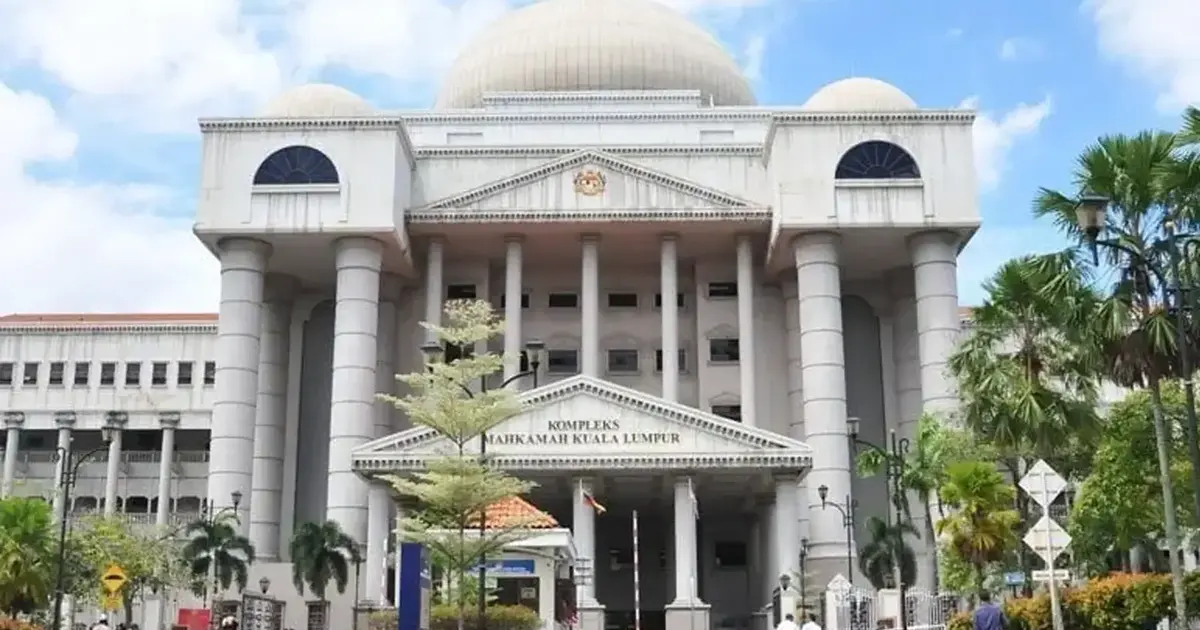
A Malaysian High Court has imposed a domestic Mareva injunction freezing more than RM14 million in assets held by the East West group, a significant move that reflects judicial concern over preserving funds during a contentious commercial dispute. The decision emerged from a civil case involving investors who fear that company assets could be dissipated before their legal claims can be resolved, forcing the court to intervene with asset-freezing measures to prevent irreversible financial harm.
Mareva injunctions represent one of the most powerful remedies available in commercial litigation, allowing courts to temporarily restrict a party's ability to move or liquidate assets while litigation proceeds. This form of court order derives its name from a landmark English case and has been adopted across common law jurisdictions including Malaysia. The injunction serves a critical function in cases where there is credible evidence that a defendant might attempt to move assets beyond the reach of potential judgment, rendering any eventual court ruling meaningless if the opposing party cannot enforce it against available resources.
The East West group operates within Malaysia's oil palm industry, a sector that has generated substantial wealth but also attracted international scrutiny regarding environmental practices and labour standards. The group's business interests span multiple layers of the supply chain, from upstream production to downstream processing and export operations. The frozen assets encompass various holdings that the court deemed necessary to preserve given the scale of potential investor claims and the complexity of the group's corporate structure.
The decision to grant this injunction signals that the High Court found sufficient grounds to believe both that the investors possessed a legitimate legal claim worthy of protection and that there existed a real risk of asset dissipation. Malaysian courts apply a rigorous test before granting such orders, requiring applicants to demonstrate a strong case on the merits and a genuine danger that enforcement of any eventual judgment would be frustrated. The fact that the court proceeded suggests the evidence presented by the investors met this stringent threshold.
For Malaysian business practitioners, this ruling underscores the importance of maintaining transparent corporate record-keeping and demonstrating legitimate business purposes for major asset transfers. Companies operating in contested commercial relationships must be particularly cautious, as large movements of funds or assets during litigation can trigger judicial suspicion and lead to precisely the kind of protective measures that have constrained the East West group. The decision also serves as a reminder to investors and creditors that Malaysian courts possess substantive powers to protect their interests when commercial disputes escalate.
The implications extend beyond the immediate parties involved. Regional business commentators note that such injunctions create a potential deterrent against deliberate asset concealment strategies, which had previously posed challenges in certain high-value disputes. However, they also raise concerns among business operators about liquidity constraints and operational difficulties when significant resources become frozen during extended litigation periods. The balance between protecting claimants and maintaining reasonable business flexibility remains a persistent tension in commercial law.
The oil palm sector itself faces mounting pressure from multiple directions: environmental activism targeting deforestation and carbon impacts, labour advocacy groups documenting worker treatment concerns, and regulatory tightening in key export markets including the European Union and increasingly stringent requirements in Southeast Asian neighbours. Asset freezes within major players can amplify concerns about sector stability and investor confidence, potentially influencing how international buyers view Malaysian palm products and the regulatory environment surrounding their production.
The case also reflects broader shifts in how Malaysian courts address cross-border commercial disputes and investor protection. Increasingly, courts have demonstrated willingness to exercise equitable jurisdiction to prevent injustice, even when doing so creates temporary disruption to commercial operations. This reflects recognition that the traditional approach of waiting until judgment and then attempting enforcement proved inadequate in cases involving internationally mobile assets or sophisticated corporate structures designed to frustrate creditors.
The RM14 million figure, while substantial, likely represents only a portion of the East West group's total asset base, suggesting the court was being selective about which holdings merited freezing orders. This measured approach demonstrates judicial restraint—courts typically freeze assets sufficient to cover realistic damages claims rather than immobilizing entire corporate entities. Nevertheless, the disruption to the group's liquidity and operational flexibility could prove significant, particularly if the underlying dispute requires extended litigation to resolve.
Observers of Malaysian commercial law note this case joins a growing body of decisions where domestic Mareva injunctions have proven effective in protecting investors' interests. The technique has proven particularly valuable in disputes involving family-controlled business groups or cases where cultural networks might facilitate rapid asset movement. By securing court orders early in litigation, investors can level the playing field against better-resourced defendants who might otherwise outlast them through sheer financial endurance.
The frozen assets will remain restricted unless the court modifies its order, which might occur if the East West group successfully challenges the injunction's validity or if the underlying dispute reaches settlement. Should the investors ultimately prevail in their civil suit, these preserved assets would provide a ready mechanism for enforcing judgment. Conversely, if the group succeeds in defending the claims, the assets would be released, though any period of restriction may have already caused real business consequences.
As this dispute unfolds, it will likely attract attention from other Malaysian investors and business operators contemplating litigation against well-resourced opponents. The case demonstrates that courts possess and will deploy protective mechanisms when circumstances warrant, reshaping calculations about litigation strategy and risk management for companies operating in Malaysia's complex commercial environment.

