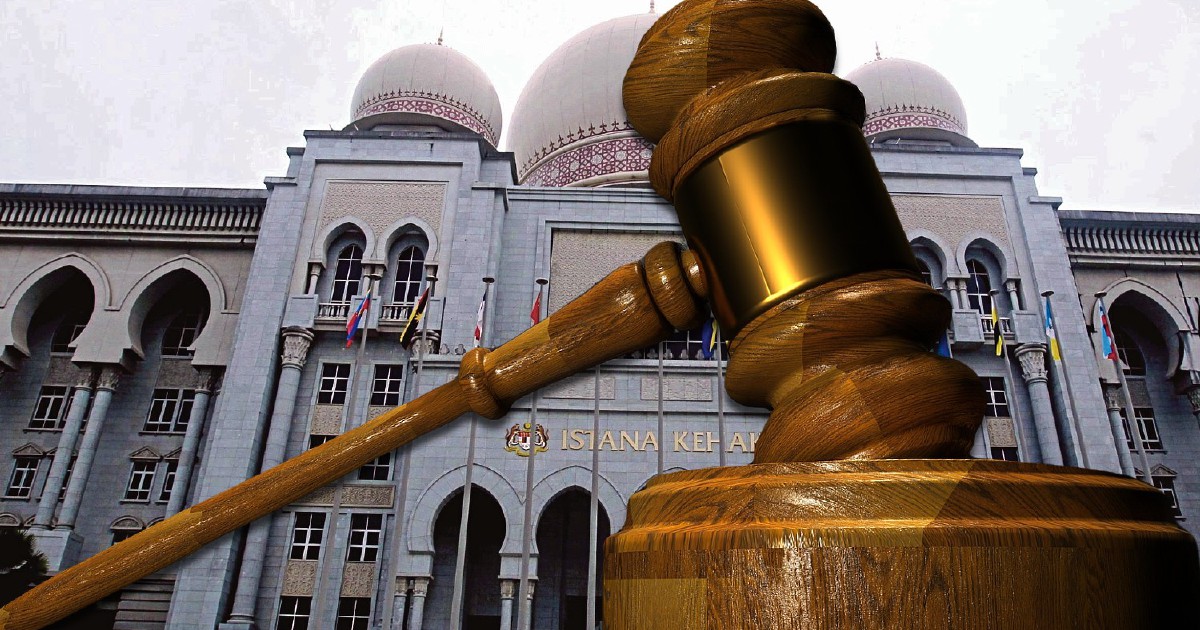
The High Court of Malaysia will deliver its decision on September 21 regarding multiple preliminary legal questions that have been raised in a civil suit alleging sexual assault against Prime Minister Datuk Seri Anwar Ibrahim. The case was initiated by Muhammed Yusoff Rawther, who served as a research aide to the Prime Minister, and the court must first determine whether these foundational matters should be resolved ahead of the full trial proceedings.
Preliminary issues in civil litigation serve as critical gatekeepers that can fundamentally alter the course of a case. These procedural questions—which may involve matters of jurisdiction, standing, pleading requirements, or other technical legal points—are often contested vigorously by both parties because their resolution can determine whether a case proceeds to trial at all. In high-profile cases involving public figures, such preliminary determinations frequently receive intense scrutiny from legal professionals and observers interested in the operation of Malaysia's judicial system.
The decision scheduled for September 21 represents a significant moment in this litigation. By ruling on preliminary issues before the substantive merits of the case are heard, the court can potentially streamline proceedings or, conversely, allow consideration of all evidence and testimony if the preliminary objections are dismissed. This judicial approach balances efficiency with fairness, ensuring that neither party is disadvantaged by procedural technicalities while preventing frivolous claims from consuming court resources.
For Malaysian legal professionals and observers of the judiciary, this case illustrates how civil courts handle sensitive allegations involving prominent national figures. The Prime Minister's office has maintained that he disputes the allegations, and the civil suit represents one avenue through which Muhammed Yusoff Rawther is pursuing his claims. The outcome of the preliminary hearing will provide insight into how Malaysian courts navigate complex evidentiary and procedural questions in cases that attract significant public attention.
Civil suits of this nature, particularly those naming high-ranking government officials as defendants, raise important questions about access to justice, procedural fairness, and the role of courts in resolving disputes between private individuals and those holding public office. Malaysia's legal framework provides mechanisms through which citizens can pursue civil remedies, and the courts' handling of such cases reflects broader commitments to the rule of law and equal treatment before the judiciary.
The September 21 hearing will likely focus on technical legal arguments presented by counsel for both parties. Anwar's legal team presumably seeks to eliminate certain issues from consideration or narrow the scope of the trial, while Muhammed Yusoff Rawther's representatives will argue for proceeding comprehensively with all matters at stake. The judge's task involves carefully weighing these competing positions against legal precedent and procedural rules governing civil litigation in Malaysia.
This case occurs within a broader context of legal proceedings affecting Malaysia's political leadership. The judicial system has been called upon to adjudicate various disputes and allegations involving government figures in recent years, contributing to ongoing public discourse about the independence and impartiality of Malaysian courts. Each decision—particularly in high-profile matters—carries implications for public confidence in the judiciary's capacity to fairly resolve such disputes.
For Southeast Asian observers, Malaysia's handling of this civil suit demonstrates how regional legal systems manage politically sensitive litigation. The region's courts increasingly face cases involving prominent political actors, and the approaches taken influence broader perceptions of judicial integrity and institutional resilience. Malaysia's experience in navigating these complex matters may offer lessons for other countries grappling with similar challenges.
The preliminary issues decision will establish important parameters for subsequent proceedings. Should the court dismiss most or all preliminary objections, the case would advance toward discovery and trial, allowing both parties to present evidence and arguments on the substantive allegations. Conversely, if preliminary issues are upheld in significant respects, the scope of the case could be considerably narrowed, potentially affecting what claims or defences can be pursued.
Muhammed Yusoff Rawther's decision to pursue civil remedies alongside any other legal avenues reflects his determination to seek accountability through Malaysia's court system. Civil suits offer distinct advantages, including different evidentiary standards and remedies compared to criminal proceedings, and enable private parties to initiate claims without relying on prosecutorial discretion. The High Court's role in carefully managing such cases protects both the integrity of judicial proceedings and the legitimate rights of all parties involved.
As September 21 approaches, legal commentators and stakeholders will closely monitor the court's reasoning and conclusions regarding these preliminary matters. The decision will establish precedent regarding procedural requirements in comparable cases and may clarify important principles governing civil litigation in Malaysia's high courts. Regardless of the outcome, the proceedings underscore the judiciary's responsibility to fairly adjudicate disputes in accordance with established legal principles and due process requirements.

