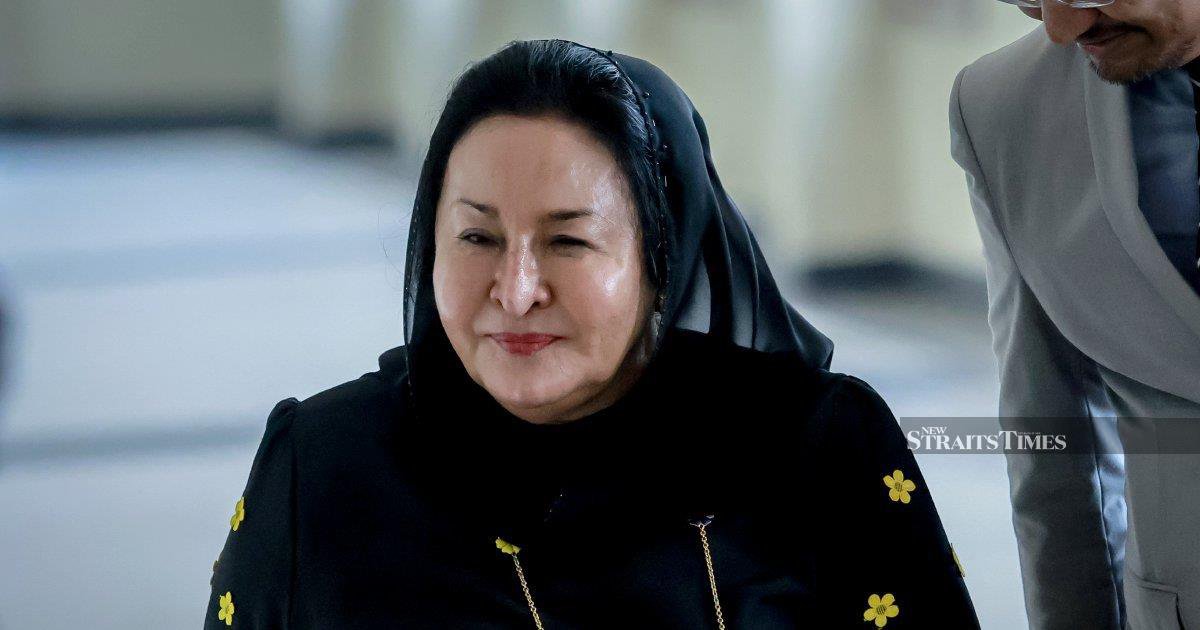
The High Court in Kuala Lumpur has scheduled a hearing for August 12 to examine whether Datin Seri Rosmah Mansor should be allowed to postpone settlement of a substantial debt owed to Lebanese jewellery company Global Royalty Trading SAL, marking another significant development in ongoing civil proceedings against the former prime minister's wife.
The RM67.5 million obligation represents one of several financial liabilities Rosmah has faced following the conclusion of corruption investigations and trials that dominated Malaysian news cycles during the reform period after the 2018 general election. The case underscores the broader legal and financial reckoning that has affected figures closely associated with the previous administration, with consequences extending well beyond criminal prosecutions to encompass debt recovery actions by private creditors.
Debt deferral requests in cases of this magnitude typically hinge on demonstrating genuine financial hardship or presenting compelling circumstances that justify temporary relief from payment obligations. Courts generally examine whether a debtor possesses sufficient liquid assets or income streams to satisfy claims, and whether postponement would serve interests of justice or merely benefit the debtor at the creditor's expense. The legal arguments advanced during the August hearing will likely reveal details about Rosmah's current financial position and capacity to meet the jeweller's demands.
The involvement of an international creditor introduces additional complexity to the proceedings. Global Royalty Trading SAL, operating from Lebanon, pursued recovery through Malaysian courts rather than pursuing enforcement mechanisms in its home jurisdiction, suggesting the company may view Malaysia's legal system as offering clearer pathways to recovery or that Rosmah holds substantial Malaysian-based assets. The decision about deferral will influence not only the timeline for settlement but also potentially the company's strategic options if payment remains elusive.
For Malaysian observers, this case exemplifies the broader accountability measures that have affected prominent figures from the previous administration. While criminal prosecutions garnered greater public attention, civil debt recovery actions often prove more consequential in practical terms, directly constraining the financial resources and lifestyle options available to those targeted. The High Court's determination on August 12 will therefore carry significance extending beyond the immediate parties involved, reinforcing either the effectiveness or limitations of mechanisms available to creditors seeking to recover substantial sums from high-profile debtors.
Rosmah's request to defer payment suggests she may currently lack the liquid funds required to settle the entire amount immediately, or her legal representatives have concluded that seeking postponement represents a more strategically advantageous position than immediate negotiated settlement. The court's analysis of her application will necessarily confront questions about asset availability and income sources, potentially revealing financial information that would otherwise remain confidential. Malaysian legal precedent on deferral matters typically requires applicants to demonstrate not mere inconvenience but genuine inability to pay, setting a relatively high threshold for successful postponement applications.
The timing of the August 12 hearing comes amid broader developments affecting Malaysia's handling of financial accountability mechanisms and asset recovery from figures associated with the previous administration. The judicial process itself has extended considerably, reflecting the complexity of cases involving substantial sums and international dimensions. How the court approaches Rosmah's deferral request may establish useful precedent for other creditors pursuing claims against individuals from that political era, potentially influencing settlement strategies and litigation approaches across multiple pending cases.
Southeast Asian observers have closely tracked Malaysia's post-2018 accountability processes, viewing them as indicative of the region's institutional capacity to address governance failures and enforce financial accountability. The handling of cases involving former leaders' families demonstrates whether regional judicial systems can navigate politically sensitive matters with consistency and credibility. The High Court's August 12 determination will contribute to broader assessments of Malaysia's commitment to equitable debt recovery regardless of the debtor's former prominence.
The proceedings also highlight evolving standards regarding financial transparency and asset accountability affecting political figures and their families throughout Asia. As wealth accumulation during political tenure comes under increasing scrutiny across the region, mechanisms for pursuing recovery of assets and settlement of obligations have become more sophisticated and aggressive. The Lebanese jeweller's pursuit of recovery through Malaysian courts reflects broader international patterns where creditors increasingly pursue cross-border litigation strategies to protect their interests.
Rosmah's legal team will likely advance arguments emphasizing financial constraints, potentially citing ongoing legal expenses or demonstrating that immediate full payment would impose unreasonable hardship. The court must weigh such considerations against Global Royalty Trading SAL's interest in recovering funds without extended delay. The outcome may involve structured payment arrangements rather than binary approval or rejection of deferral, potentially establishing a timeline for staged payments that accommodates both parties' interests. Whether such compromise emerges or the court rules firmly on the deferral question, the August 12 hearing will provide clarity on her immediate financial obligations and may influence settlement discussions in other pending matters.

