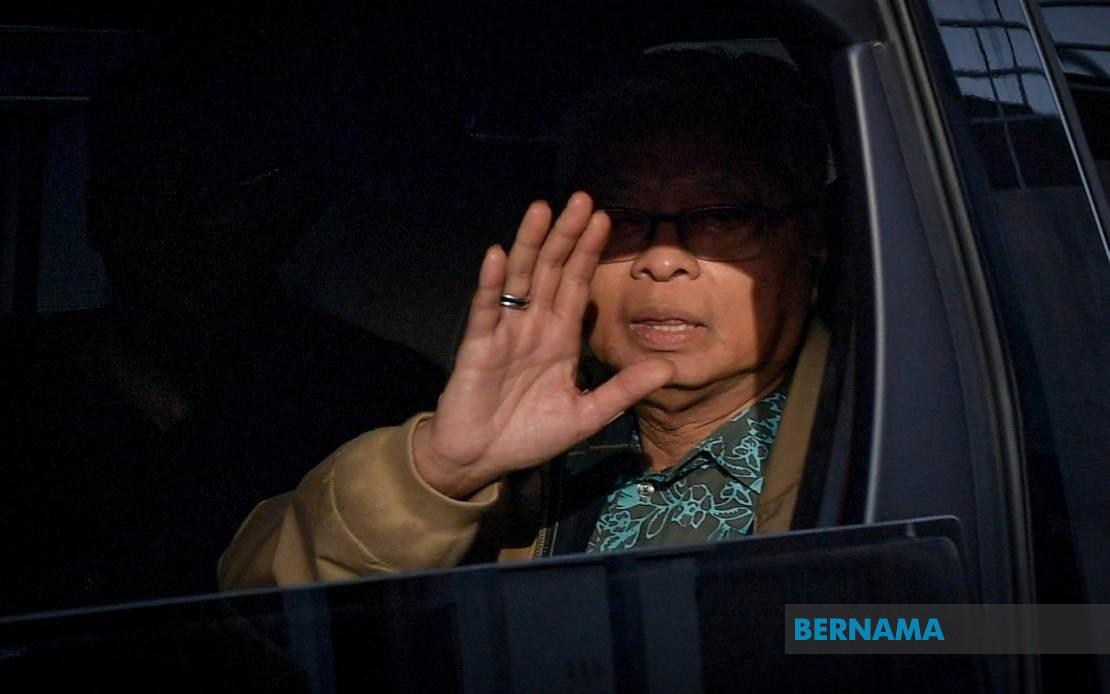
The High Court in Kuala Lumpur has delivered a significant verdict in a digital speech case, affirming the acquittal of blogger Jufazli Shi Ahmad on charges stemming from YouTube posts critical of former Prime Minister Datuk Seri Ismail Sabri Yaakob and UMNO. Judge Datuk Aslam Zainuddin's decision to dismiss the prosecution's appeal marks the conclusion of a drawn-out legal battle that began four years ago, underscoring the complexities surrounding online expression and government accountability in Malaysia's evolving digital landscape.
The case centred on content uploaded to Jufazli's 'King Maker Politik' YouTube channel in June 2022, which authorities deemed offensive. The original posting occurred at 3 pm on June 27, 2022, with police accessing and reviewing the material just days later on July 1, 2022, at the Criminal Investigation Division office of Dang Wangi District Police Headquarters. The timeline between content creation and official investigation was remarkably swift, reflecting how closely authorities were monitoring digital platforms for potentially sensitive political commentary during that period.
Jufazli faced two distinct charges under the Communications and Multimedia Act 1998. The first charge, under Section 233(1)(a), alleged he had created and initiated transmission of an offensive communication with the intent to annoy another person. If convicted, he could have faced a maximum fine of RM50,000, imprisonment of up to one year, or both, with an additional daily fine of RM1,000 continuing after any initial conviction. The severity of potential penalties reflected the government's determination to pursue the matter with vigour, despite the charges relating to political commentary rather than incitement or direct threats.
The second charge was equally serious, accusing Jufazli of refusing to surrender the password to his YouTube account when requested by police on July 5, 2022, at Dang Wangi IPD. This charge invoked Section 249 of the same legislation, which carried a maximum penalty of RM100,000 in fines or two years' imprisonment, or both. The password refusal charge proved particularly contentious, as it raised questions about digital privacy rights and the extent of police authority in accessing personal accounts during investigations into allegations of offensive content.
However, the Sessions Court determined that the prosecution had failed to meet its burden of proof when the case reached its conclusion on October 18, 2024. The presiding judge found insufficient evidence to sustain either charge, leading to a full discharge and acquittal. This initial decision represented a watershed moment for digital rights discourse in Malaysia, suggesting that courts might apply stricter evidentiary standards to cases involving online political expression, particularly when the content involved criticism of public figures or political parties.
When the prosecution appealed the acquittal, legal observers watched closely to see whether the High Court would defer to the Sessions Court's judgment or overturn it based on fresh legal interpretation. Judge Aslam's careful analysis of the appeal record, lower court judgment, and arguments from both sides resulted in an unequivocal affirmation. His dismissal of the prosecution's appeal and reaffirmation of the acquittal represented a deliberate validation of the Sessions Court's approach and reasoning, providing clarity to both legal practitioners and digital activists navigating Malaysia's regulatory environment.
The blogger's legal representation by lawyer Ramesh N.P. Chandran proved instrumental in mounting a successful defence across both proceedings. The prosecution, represented by Deputy Public Prosecutor Mohamad Fadhly Mohd Zamry, had invested considerable resources in pursuing the case through appeal, suggesting official confidence that the original charges reflected legitimate regulatory concerns about online conduct. The final outcome, however, demonstrates that even well-resourced prosecutorial efforts cannot automatically overturn acquittals when lower courts identify evidentiary weaknesses.
This judgment carries implications for Malaysia's digital governance landscape. The case illustrates tension between authorities' desire to regulate potentially inflammatory online content and courts' willingness to scrutinise the factual foundations of such prosecutions. For content creators, political commentators, and ordinary social media users, the verdict suggests that simply uploading critical content about political figures or parties does not automatically trigger successful prosecution, provided the material does not cross into incitement, direct threats, or demonstrably false defamatory statements. The ruling may embolden greater online political discourse, though whether this translates into systemic change remains uncertain.
The Communications and Multimedia Act 1998 provisions invoked against Jufazli remain on the books, and prosecutors retain discretion to pursue similar cases against other digital publishers. The legislation itself has long drawn criticism from civil liberties advocates and international observers who argue that provisions like Section 233 are vague enough to chill legitimate speech while lacking sufficient clarity about what constitutes truly offensive or dangerous content. Jufazli's vindication does not necessarily signal a wholesale shift in how courts will interpret these provisions in future cases, though it does establish that judges will carefully examine whether prosecutors have genuinely proven their allegations beyond reasonable doubt.
The four-year journey from the initial YouTube upload to the High Court's final affirmation reflects the institutional wheels of Malaysia's legal system, often grinding slowly through multiple layers of review. For Jufazli, the acquittal represents vindication after a protracted period of legal jeopardy. For Malaysia's broader civil society, the outcome offers some reassurance that courts can serve as meaningful checks on potentially overreaching prosecution of online political expression. Yet the case also underscores how regulatory frameworks designed to maintain public order can become vehicles for silencing dissent, a tension that Malaysian policymakers and judicial authorities continue grappling with as digital platforms become increasingly central to political discourse and public debate.

