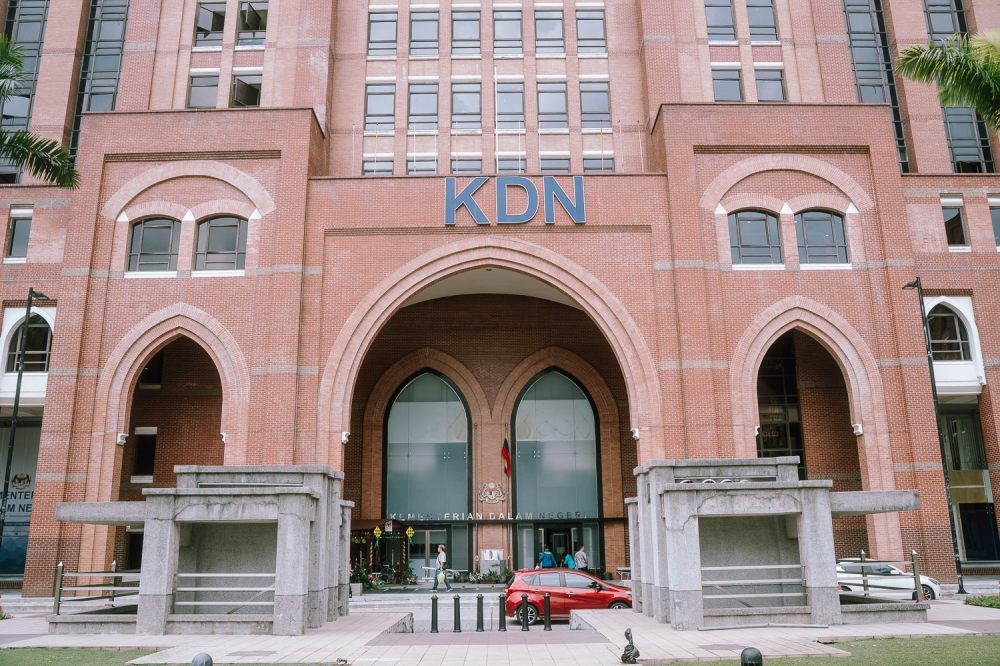
The Home Ministry has commenced a formal investigation into allegations of immigration irregularities linked to Network School, an educational institution operating within the Forest City residential and commercial development in Johor Bahru. The probe, initiated in July, reflects heightened government scrutiny of compliance procedures at major commercial projects and educational facilities, particularly those with significant foreign participation.
Forest City, situated on reclaimed land near the Johor-Singapore border, represents one of Malaysia's most ambitious mixed-use developments. The project, which includes residential towers, commercial spaces, and leisure facilities, has attracted both investment and regulatory attention since its inception. The involvement of an educational institution within this sprawling complex raises questions about oversight mechanisms governing schools that operate in large integrated developments.
Network School's presence within Forest City underscores the increasing complexity of managing regulatory compliance across multiple operational domains. Educational institutions must adhere to stringent Ministry of Education standards, while simultaneously complying with immigration protocols—particularly regarding the employment of foreign staff and student admission procedures. When such facilities operate within larger commercial ecosystems that themselves involve cross-border elements, the regulatory landscape becomes considerably more intricate.
The specific allegations centre on potential misuse of immigration processes, suggesting that documented procedures may not have aligned with statutory requirements. Such investigations typically examine visa approvals, work permits for foreign educators, student enrollment documentation, and the movement of individuals across Malaysia's borders in connection with the school's operations. The Home Ministry's decision to launch a comprehensive inquiry indicates sufficient preliminary evidence to warrant systematic examination.
This development carries significant implications for other educational facilities operating within major commercial developments across Malaysia. Institutions ranging from international schools to specialized training centres often operate in integrated complexes, and regulatory agencies may now intensify oversight of immigration compliance within these settings. Operators of such facilities will likely face heightened scrutiny regarding document verification and procedural adherence.
The investigation also reflects broader governmental concerns about immigration system integrity at a time when Malaysia seeks to balance economic openness with security and sovereignty safeguards. Educational institutions frequently require employing foreign nationals with specialized expertise, and schools serving international communities often admit students from numerous countries. Ensuring that these cross-border movements occur through properly documented channels represents a core function of immigration enforcement.
For the Forest City development itself, this inquiry may influence investor confidence and operational procedures across all tenants. Developers and operators of large mixed-use projects increasingly bear responsibility for ensuring that their various component businesses maintain compliance with applicable regulations. Immigration violations by a single tenant could potentially affect the reputation and regulatory standing of the entire development.
Network School's circumstances also highlight potential gaps in institutional oversight coordination. Multiple government agencies—including the Home Ministry's immigration division, the Education Ministry, and local authorities—maintain separate regulatory responsibilities. When allegations involve educational institutions, particularly those with international dimensions, ensuring seamless inter-agency coordination becomes critical for comprehensive investigation and remedial action.
The investigation's progress will likely set precedents for how regulatory agencies approach educational facilities within larger developments. Malaysian authorities appear to be signalling that operational location within a commercial project does not exempt institutions from rigorous compliance verification. This stance may prompt schools, universities, and training centres across the country to conduct internal audits of their immigration-related procedures.
Stakeholders in Malaysia's education sector, particularly those employing foreign nationals or serving diverse student populations, should recognize this investigation as an opportunity to reassess their immigration compliance frameworks. While allegations against Network School remain subject to investigation, the inquiry underscores the government's commitment to systematic verification of immigration procedures across institutional sectors.
The outcomes of this probe could influence how the government structures future oversight of educational institutions in commercial developments, potentially introducing enhanced pre-operational certification or periodic compliance audits. For investors and operators considering educational components in large developments, understanding these regulatory expectations before project launch will prove increasingly important.
As the Home Ministry pursues its investigation, the case serves as a reminder that integration within large commercial complexes does not diminish regulatory expectations. Whether the allegations prove substantive or represent procedural misunderstandings, the inquiry's conduct and findings will shape how Malaysian authorities approach immigration compliance within institutional settings more broadly.

