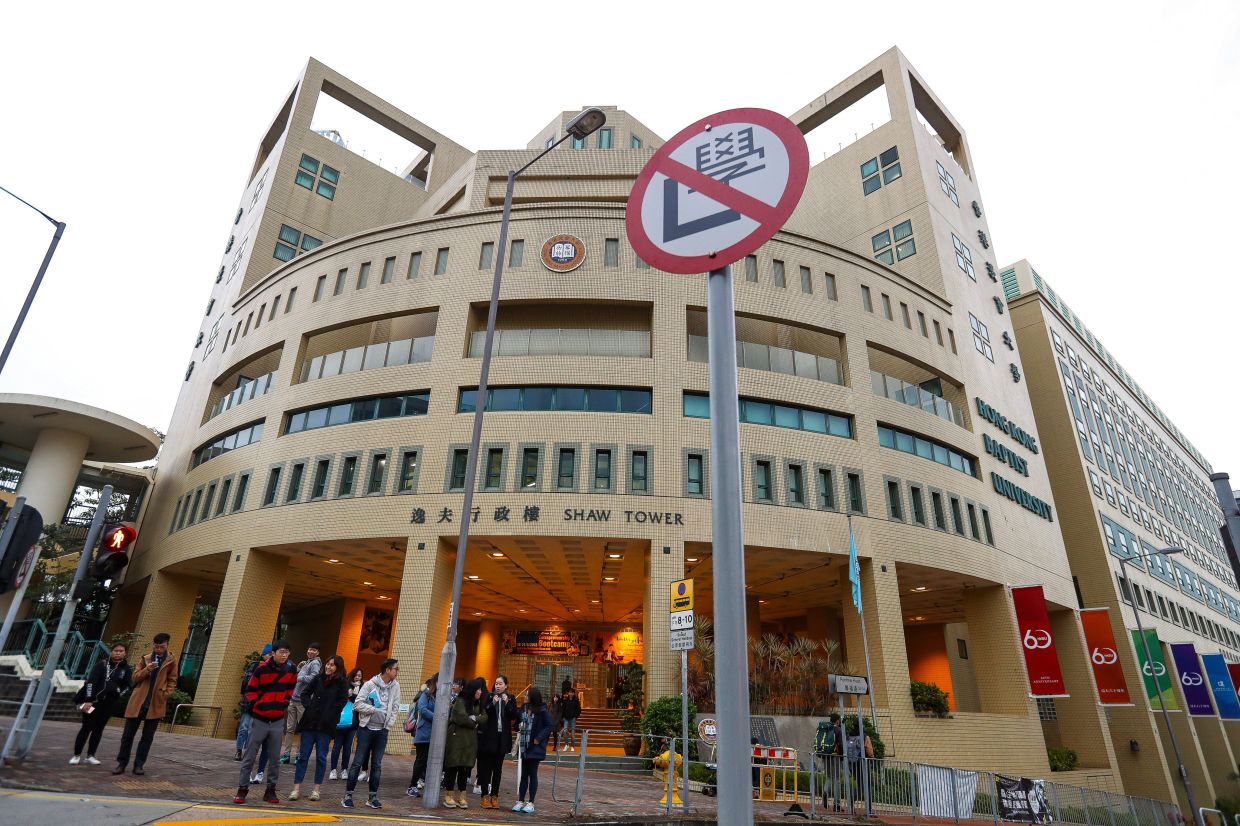
Hong Kong Baptist University is conducting a comprehensive review of its information technology security infrastructure following claims by a sophisticated ransomware syndicate that it has breached the institution's systems and accessed confidential data. The allegations emerged from a group calling itself The Gentlemen, which operates as one of the more aggressive cybercriminal organizations to emerge in recent years, having first surfaced in mid-2023 with an increasingly aggressive international presence.
The scope of the potential breach appears significant. According to cybersecurity monitoring platforms tracking the incident, approximately 1,900 credentials associated with the university may have been compromised in the unauthorized access. This figure includes roughly 130 staff accounts, around 1,770 user accounts associated with students or other members of the university community, and some 260 credentials belonging to third-party contractors and service providers who maintain access to institutional systems. The breadth of affected account types suggests the breach may have penetrated multiple layers of the university's digital infrastructure.
The Gentlemen represent a particularly concerning category of cyber threat because of their operational model and expansion trajectory. Rather than operating as a single criminal entity, the group functions as a ransomware-as-a-service platform, renting out sophisticated extortion software and techniques to other cybercriminals in exchange for a share of profits from successful attacks. This franchise-like arrangement has enabled rapid scaling of their operations across global networks, with researchers documenting rapid expansion of their footprint throughout Asia, Europe, and North America.
The university issued a formal statement on Tuesday evening acknowledging that it had become aware of a webpage containing allegations of illegal system access. In that statement, the institution confirmed it was undertaking a detailed examination of both its IT security posture and the status of personal data held within its systems. The university indicated it would implement appropriate remedial action through its established protocols and maintain active coordination with relevant Hong Kong regulatory bodies and law enforcement agencies investigating the matter.
Hong Kong's Office of the Privacy Commissioner for Personal Data has begun preliminary investigations into the incident, though the privacy regulator emphasized that it has not yet received formal notification from the university regarding the breach. A spokesperson for the commissioner's office indicated that the agency had itself initiated contact with Baptist University to gather additional details about what occurred, suggesting regulators are taking a proactive stance rather than waiting for institutional disclosure.
Francis Fong Po-kiu, who holds the honorary presidency of the Hong Kong Information Technology Federation, has published recommendations for how the institution should respond to contain potential damage. Fong stressed that the university must immediately file a comprehensive disclosure with the privacy commissioner, a standard requirement under Hong Kong's data protection regulations. Beyond regulatory compliance, Fong argued that Baptist University should engage specialized forensic investigators to conduct thorough system audits and determine whether the compromised credentials were subsequently used to gain deeper access to sensitive databases or core administrative infrastructure that could enable further data exfiltration.
The technical recovery measures Fong recommended align with international cybersecurity best practices. He advocated for a mandatory password reset affecting all campus users, implementation of multi-factor authentication across systems, and direct engagement with both regulatory authorities and police. The emphasis on mandatory password resets reflects the reality that credentials already in criminal hands remain a persistent vulnerability; even systems that have not been directly breached face elevated risk from account takeover attempts.
Transparency represents another critical element of institutional response that Fong emphasized. He called for Baptist University to communicate proactively with its staff and student populations about the investigation's findings and remedial measures being implemented. Such transparency serves multiple purposes: it demonstrates institutional accountability, allows potential victims to take personal protective measures, and importantly, reduces the university's vulnerability to subsequent social engineering attacks that typically follow major breaches. Cybercriminals frequently exploit the confusion and anxiety following disclosed breaches to trick users into compromising themselves further through phishing campaigns impersonating official institutional communications.
The incident underscores vulnerabilities that extend beyond Hong Kong Baptist University alone. Universities throughout Southeast Asia maintain extensive databases of personal information on students, staff, and research collaborators, making them attractive targets for criminal organizations seeking data they can monetize or use for extortion. The Gentlemen's operational model—where they function as a back-office operation providing technical services to other criminals—means that successful breaches may result in data being sold to multiple threat actors with different intentions, from identity fraud to corporate espionage.
For Malaysian institutions with similar digital infrastructure and data holdings, the incident serves as a cautionary example of the sophistication and reach of contemporary ransomware operations. Regional universities, research institutions, and government agencies face comparable risks, particularly if their cybersecurity investments have not kept pace with evolving threat landscapes. The widespread reliance on remote access systems and cloud-based platforms, accelerated by pandemic-driven digital transformation, has expanded potential entry points for organized cybercriminals operating across borders.
The investigation into Baptist University's breach remains ongoing, with forensic analysis ongoing to determine the precise timeline of the attack, the methods used to gain initial access, and the full extent of data exposed. The incident demonstrates that institutional size and reputation offer no protection against sophisticated, well-resourced criminal organizations. As higher education institutions across Asia grapple with increasingly sophisticated threats, investment in robust cybersecurity infrastructure and rapid incident response capabilities has become as essential as traditional campus security measures.

