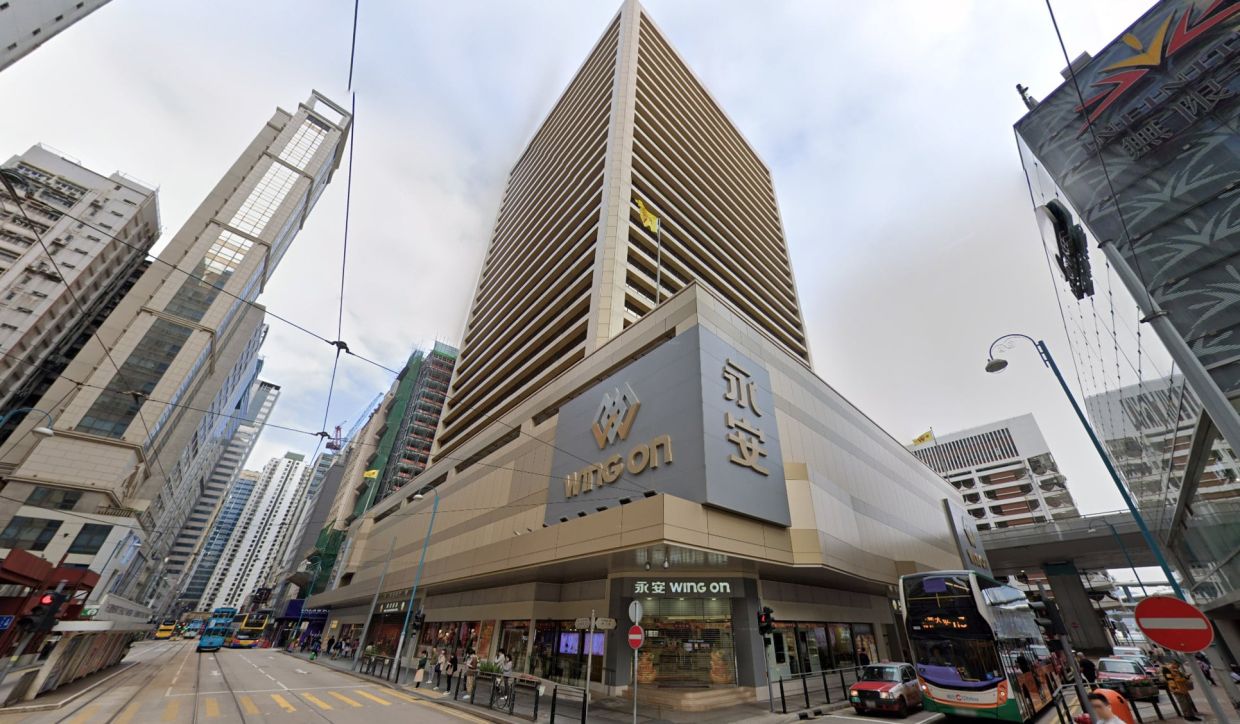
Hong Kong's customs authority has opened an investigation into whether an elderly customer was subjected to coercive sales tactics that resulted in spending HK$100,000 on beauty merchandise, the latest development in a deepening scandal affecting the territory's cosmetics retail landscape. The complaint, involving an 88-year-old woman, emerged over the weekend through a social media disclosure by her daughter, drawing attention to practices at an Avinichi beauty outlet housed within the Wing On department store in Sheung Wan.
According to the account posted by the woman's daughter, surnamed Ng, the incident unfolded during a visit to the boutique in April when her mother encountered what she characterised as a high-pressure sales environment. The alleged scenario played out over three consecutive hours, during which the customer's credit card was swiped multiple times—four transactions in total—generating charges totalling HK$100,000. The purchases comprised skincare formulations, a beauty treatment apparatus and a package of 24 detoxifying sessions. The account suggests the salesstaff member deliberately withheld the credit card after the initial transaction, retaining it in a folder whilst continuing to pitch additional merchandise to the vulnerable customer.
The daughter's narrative describes her mother as becoming progressively fatigued and disoriented as the sales interaction lengthened, with the elderly woman later characterising the experience as leaving her feeling "hypnotised." When the customer's domestic helper reportedly attempted to conclude the transaction and remove her employer from the situation, the account indicates the sales representative persisted with the sales pitch regardless. This detail proves particularly significant in evaluating the allegations, as it suggests sustained pressure despite clear signals that the customer wished to disengage from the transaction.
When the family subsequently sought a refund from Avinichi, management declined the request and instead offered only an exchange of merchandise, prompting the daughter to escalate the matter to two regulatory bodies: the Customs and Excise Department and the Consumer Council. The Customs and Excise Department responded with a statement confirming active investigation into the case and pledging appropriate enforcement measures should evidence emerge of contraventions under the Trade Descriptions Ordinance, which prohibits harassment and coercive conduct designed to induce purchases consumers would not otherwise undertake.
This incident arrives amid an intensifying regulatory focus on Hong Kong's beauty retail sector, which has faced mounting scrutiny following high-profile enforcement actions against rival operators. Most notably, authorities arrested two managers at the Hong Kong division of Opatra London following allegations of coercive sales practices, establishing a pattern of concern across multiple retail brands. Additionally, The Mineral Boutique, operating under the Beauty Express Group banner, has attracted similar criticism regarding allegedly aggressive consumer engagement tactics. These parallel cases suggest the problematic sales methodologies are not isolated incidents confined to single retailers but rather reflect systemic pressures within the industry.
Avinichi functions as one component of a larger retail portfolio managed by Apex Retail, a Singapore-linked operator that maintains approximately a dozen storefronts across Hong Kong under various brand identities including Earth, Napara, Privilege Boutique and Dualsonic. The company expanded its Avinichi presence with the launch of two new "experience boutiques" in 2025, despite the mounting reputational challenges. Interestingly, Avinichi's trademark ownership rests with Exclusive Label, a United States-based entity, and the brand's website carries a disclaimer asserting that all retail locations operate as independently owned and managed franchises—a structural arrangement that potentially complicates accountability frameworks.
When South China Morning Post reporters visited the Sheung Wan location immediately following the disclosure, staff members claimed ignorance of the allegations. Following a telephone consultation with management, employees requested the journalist's contact details, promising a company representative would respond, yet declined to facilitate direct conversation with the store manager. As of the following evening, no response had materialised. This apparent reluctance to engage transparently with media inquiry contrasts sharply with the regulatory stringency authorities have pledged to apply.
Legal scholars who previously analysed comparable cases have identified the specific practices alleged in this incident—including credit card retention, unwanted physical contact and psychological pressure to complete large-value purchases—as potential violations of the Trade Descriptions Ordinance. The regulatory framework explicitly addresses not only misleading conduct but also coercive tactics and harassment employed to manipulate purchasing decisions. The threshold question for investigators concerns whether the salesstaff deliberately engineered conditions that overwhelmed the customer's capacity for autonomous decision-making, a determination that may hinge upon examining contemporaneous records and witness testimony from the helper present throughout the interaction.
For Malaysian and broader Southeast Asian readers, this Hong Kong case carries instructive implications. The territorial trading environment, whilst generally regarded as sophisticated and regulated, demonstrates vulnerability to predatory retail practices, particularly targeting elderly consumers with diminished resistance to psychological manipulation. The incident underscores the importance of robust consumer protection mechanisms and the necessity for cross-jurisdictional cooperation, given that retail empires increasingly operate regionally across Singapore, Hong Kong and other Asian centres. Malaysian consumers and regulators should recognise this pattern as a potential risk signal, particularly within premium beauty sectors where high-margin products and elaborate sales environments can facilitate consumer coercion.
The regulatory response unfolding in Hong Kong may also establish precedents regarding corporate liability and franchise accountability that could influence compliance standards throughout Asia-Pacific retail sectors. The question of whether Apex Retail bears responsibility for practices at nominally independent franchises remains unresolved, yet will likely determine the case's significance for broader industry governance. Should Hong Kong authorities establish that parent companies cannot disclaim accountability through franchise structures, the implication would extend considerable enforcement leverage to regulators confronting sophisticated retail networks operating across multiple territories.

