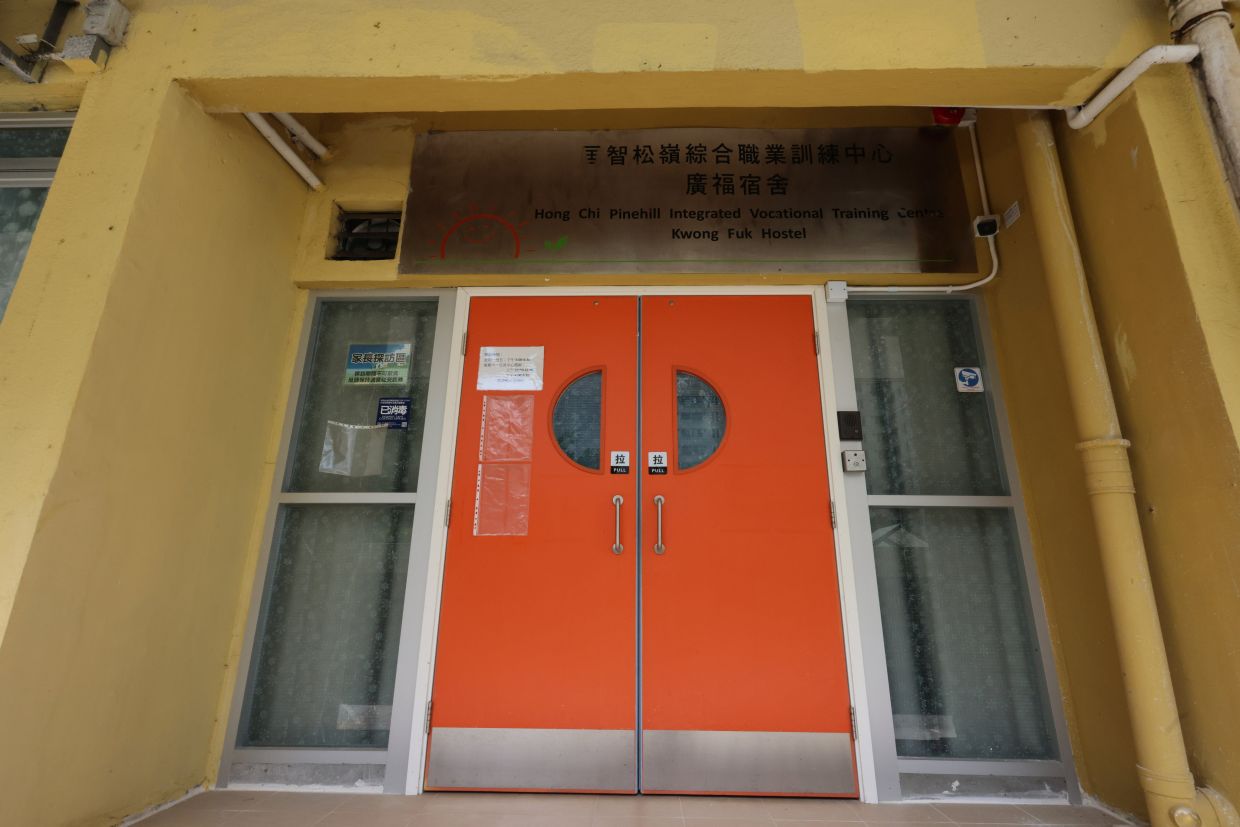
A high-profile legal case in Hong Kong has opened with prosecutors presenting evidence against a former care home worker accused of sexually assaulting a resident with intellectual disabilities on multiple occasions. Chung Pui-kei, who worked as an assistant warden at a residential facility in Tai Po operated by the Chi Association, stands charged with five counts of rape involving a mentally incapacitated woman during the July-August 2024 period. The trial, presided over by Judge Douglas Yau Tak-hong, reflects growing concerns across Asia about the vulnerability of disabled individuals in institutional settings and the adequacy of safeguards within care facilities.
Prosecutor Human Lam Hiu-man presented the Crown's case before a six-member jury, establishing that the victim, identified as X in court proceedings, currently is 23 years old but possesses cognitive abilities equivalent to a child aged nine years and ten months. This significant developmental gap between chronological and intellectual age forms the legal and moral crux of the prosecution's argument. The prosecutor detailed how Chung allegedly exploited this vulnerability by adopting a grooming strategy, positioning himself as a friendly authority figure who engaged the victim in seemingly innocent activities such as playing video games and offering treats. This pattern of behaviour, prosecutors contend, gradually eroded the victim's ability to recognise inappropriate conduct and resist advances.
The alleged incidents unfolded across two locations within the residential facility. Three of the five assaults reportedly occurred in a male staff rest room, whilst two took place within the victim's own sleeping quarters—locations that underscore the breach of personal safety and institutional trust. According to Lam's opening statement, the victim recalled specific details including the defendant locking doors before undressing both himself and the victim, followed by the assaults. The prosecution also highlighted that the victim experienced pain during these incidents and attempted to voice discomfort on several occasions, though she refrained from vocal resistance in some instances due to fear of being scolded by the accused.
The evidence presented to the court extended beyond the victim's testimony to encompass material forensic findings. Police investigators recovered condoms and related items from a locker situated in the male staff resting area. Most significantly, officers discovered a bedsheet from the victim's room that contained both the defendant's semen and the victim's DNA—physical evidence that corroborates the prosecution's assertion that sexual contact occurred. Such concrete forensic evidence carries substantial weight in sexual assault cases, particularly when the complainant's cognitive limitations might ordinarily render her testimony vulnerable to challenge.
The prosecution called expert witnesses to establish the victim's medical and psychological profile, seeking to demonstrate both her vulnerability and the reliability of her account. Psychiatrist Lydia Lam Yi-ngar from Tai Po Hospital testified following her examination of the victim on two occasions in 2024—August 19 and October 21, both occurring after the alleged incidents. The psychiatrist's findings documented that the victim carries a diagnosis of bipolar affective disorder and had required hospitalisation for mental health issues in 2018 and 2021. However, she indicated that the victim's condition had stabilised following medication management and required only routine monitoring post-discharge.
A critical aspect of the psychiatric evidence concerned the victim's cognitive state and potential for fabrication or confusion. The psychiatrist testified that during her August and November 2024 assessments, the victim presented as "not psychotic" and demonstrated no indicators consistent with post-traumatic stress disorder—findings that the defence may attempt to leverage. The defence counsel Lawrence Hui Cheuk-lun pursued a line of questioning focused on medication compliance and its potential effects on perception and memory. He asked the psychiatrist whether patients might experience hallucinations affecting facial recognition if they discontinued prescribed medication, and whether she possessed knowledge of the victim's consistent medication adherence during July 2024.
The doctor's responses favoured the prosecution's narrative. She clarified that hallucinations do not constitute a documented side effect of valproate sodium, one of the two mood stabilisers the victim was prescribed. Furthermore, whilst acknowledging that her medication compliance information derived partly from staff reports at the residential home, a blood test revealed drug levels consistent with regular dosing at the prescribed amount. This medical evidence effectively countered one line of defence questioning designed to suggest the victim's account might be unreliable due to untreated mental illness affecting her perceptions.
Clinical psychologist Wong Yik-tung from the Social Welfare Department conducted the formal assessment of the victim's intellectual capacity subsequent to the alleged assaults. His testimony, scheduled to resume on Monday, will provide the court with professional documentation of the cognitive deficit that prosecutors argue rendered the victim unable to provide meaningful consent and particularly susceptible to manipulation by a person in authority. The involvement of the Social Welfare Department in this assessment adds a layer of institutional verification to the psychological findings.
The case carries significant implications for care standards across Hong Kong and Southeast Asia more broadly. Institutional safeguarding failures—including inadequate supervision, insufficient training on abuse recognition, and weak reporting mechanisms—have been identified in previous care home scandals across the region. The employment of individuals like Chung in positions of trust, combined with minimal oversight of his interactions with vulnerable residents, illustrates systemic vulnerabilities. For Malaysia, which operates similar residential care facilities for individuals with intellectual and physical disabilities, this case serves as a cautionary example of the protective measures and institutional accountability mechanisms necessary to prevent exploitation.
The trial's progression will likely establish precedent regarding how Hong Kong courts assess credibility and consent capacity in sexual assault cases involving intellectually disabled complainants. The evidence structure—combining the victim's own account, corroborating witness testimony, forensic findings, and expert psychiatric and psychological assessment—demonstrates a comprehensive prosecutorial approach designed to overcome inherent challenges in cases where the complainant's cognitive capacity may be questioned by the defence. The jury's verdict, when it arrives, will signal how seriously courts treat allegations of institutional abuse and whether the vulnerability status of care home residents receives appropriate legal protection.

