A Hong Kong court has handed down a four-month prison sentence to a 65-year-old man with a history of sexual assault convictions following his attack on a secondary school student aboard a public bus. The case, which drew significant public attention after a bystander recorded the incident and shared it on social media platforms, demonstrates the persistent challenge Hong Kong faces with repeat sexual offences in public spaces despite enhanced surveillance and awareness campaigns.
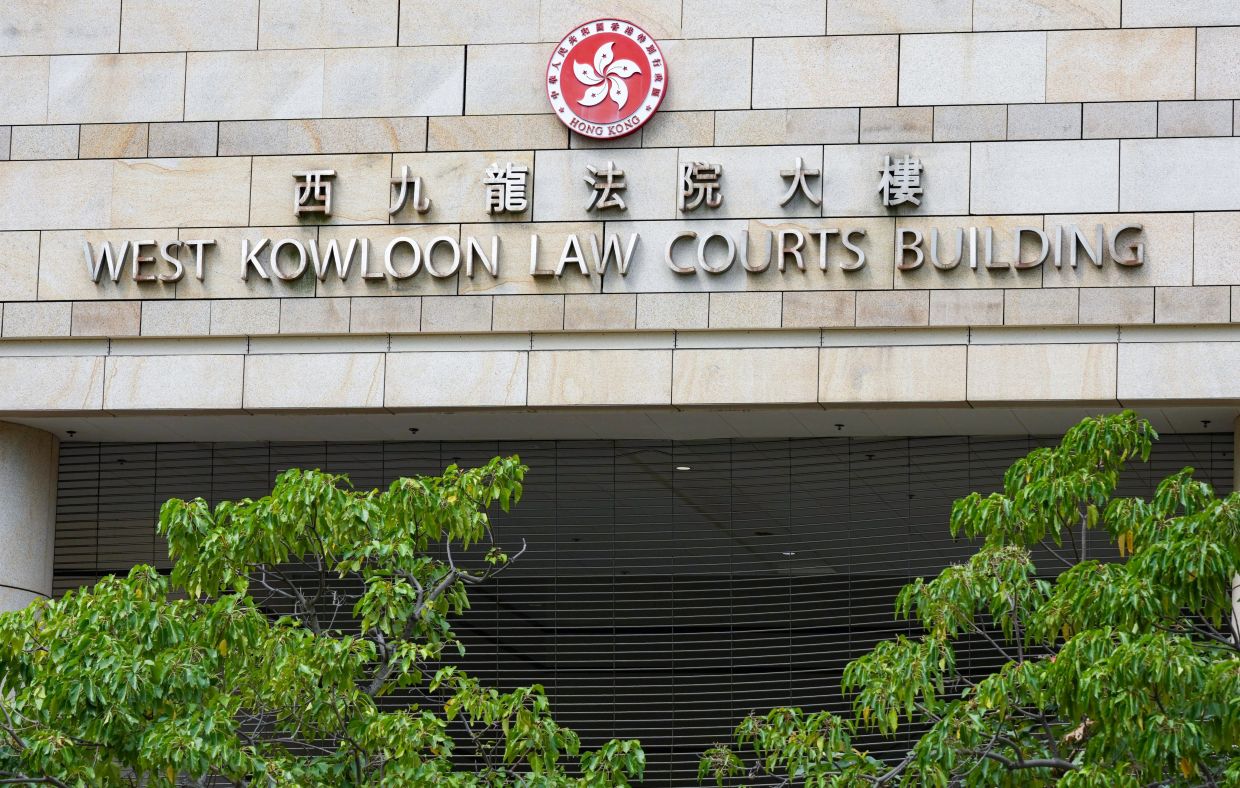
West Kowloon Court delivered the verdict on Tuesday against William Wu Yiu-shing, a former household hardware salesman, who pleaded guilty to the indecent assault charge last month. Wu's criminal record includes three prior convictions for similar offences, raising questions about the effectiveness of rehabilitation programmes and sentencing frameworks designed to protect vulnerable members of the public, particularly young students using public transportation.
The incident occurred on the afternoon of June 5 when Wu boarded a Kowloon Motor Bus double-decker at the intersection of Mong Kok Road and Sai Yeung Choi Street South at approximately 12.10pm. The victim, a Form Three student aged 17, was seated on the upper deck when Wu, positioned directly behind her, initiated the assault. The 37-second video evidence shows Wu wearing a white tank top as he extended his left arm to touch the girl's chest area while she remained seated and vulnerable.
Notably, onlookers on the street attempted to alert Wu to his actions through verbal warnings, but the offender continued the assault undeterred as the bus moved away from the intersection. The bystander's decision to film and subsequently upload the footage played a crucial role in ensuring Wu's identification and apprehension. This reflects a broader pattern across Hong Kong and Southeast Asia where citizen journalism and social media have become powerful tools for documenting and exposing sexual harassment that might otherwise go unreported due to victim reluctance or insufficient police resources.
The traumatised teenager later recounted to police that she felt her armpit being touched for several seconds and observed Wu attempting to grab her. Paralysed by fear during the encounter, she chose not to confront her attacker and instead hurried home immediately afterwards, a response consistent with psychological studies on victims of unexpected public sexual assault. The psychological impact of such incidents extends beyond the immediate moment, often affecting victims' sense of safety when using public transportation and contributing to broader concerns about women's security in crowded urban environments.
Police tracked down Wu at the Hong Kong-Zhuhai-Macau Bridge border checkpoint the same day when he attempted to return from Macau. During his interrogation, he readily admitted to committing the offence in order to satisfy his sexual desires, providing no mitigating explanation for his predatory behaviour. His candid admission shortened the investigative process and led to a swift prosecution commencing on June 8, just three days after the attack.
The defence counsel representing Wu presented arguments on Tuesday emphasising the defendant's willingness to acknowledge culpability and his prior admissions that he had committed earlier offences using comparable methods. More significantly, Wu's legal representative highlighted the defendant's ostensible commitment to participating in psychological treatment as part of his rehabilitation process. Such statements, while potentially relevant to sentencing considerations, raise concerns about whether psychological interventions can genuinely address the underlying compulsion evidenced by his repeated behaviour over multiple decades.
The four-month custodial sentence imposed by the court falls well within the statutory framework for indecent assault, which carries a maximum penalty of ten years' imprisonment in Hong Kong. However, when cases are adjudicated by magistrates rather than in district court, the maximum sentence is capped at two years. This distinction has implications for how prosecutors frame charges, as magistrates' courts handle the vast majority of such cases in Hong Kong's overwhelmed judicial system, potentially resulting in lighter penalties than the statutory maximums suggest.
Wu has remained in remand since his prosecution commenced, meaning he has already served approximately two months of his sentence. Officials anticipate that he may become eligible for early release in approximately one month under Hong Kong's remission scheme, which typically allows prisoners to reduce their sentences through good conduct and participation in rehabilitation activities. This relatively expedited release timeline has prompted ongoing debate among victim advocacy groups and public safety advocates regarding whether the sentence adequately reflects the severity of the offence and the systemic risk posed by individuals with Wu's criminal trajectory.
The case underscores persistent challenges in Hong Kong's approach to managing recidivist sex offenders within the community. Despite multiple prior convictions for similar conduct, Wu remained at liberty to perpetrate further attacks, suggesting that existing sentencing, monitoring, and rehabilitation frameworks may be insufficient. For Malaysian observers and regional policymakers, the Hong Kong experience offers cautionary insights into the limitations of relying primarily on custodial sentences and psychological treatment for repeat sexual offenders without complementary measures such as extended post-release supervision, electronic monitoring, or public notification systems.
Moreover, the prominence of social media in documenting and exposing the assault highlights shifting dynamics in public accountability for street-level sexual harassment across the region. While such documentation can facilitate justice, it also raises privacy and vigilante justice concerns that warrant careful regulatory consideration. The incident serves as a reminder that transporting tens of thousands of passengers daily across cramped public vehicles creates numerous opportunities for predatory behaviour unless accompanied by consistent deterrence, prevention education, and survivor support mechanisms.

