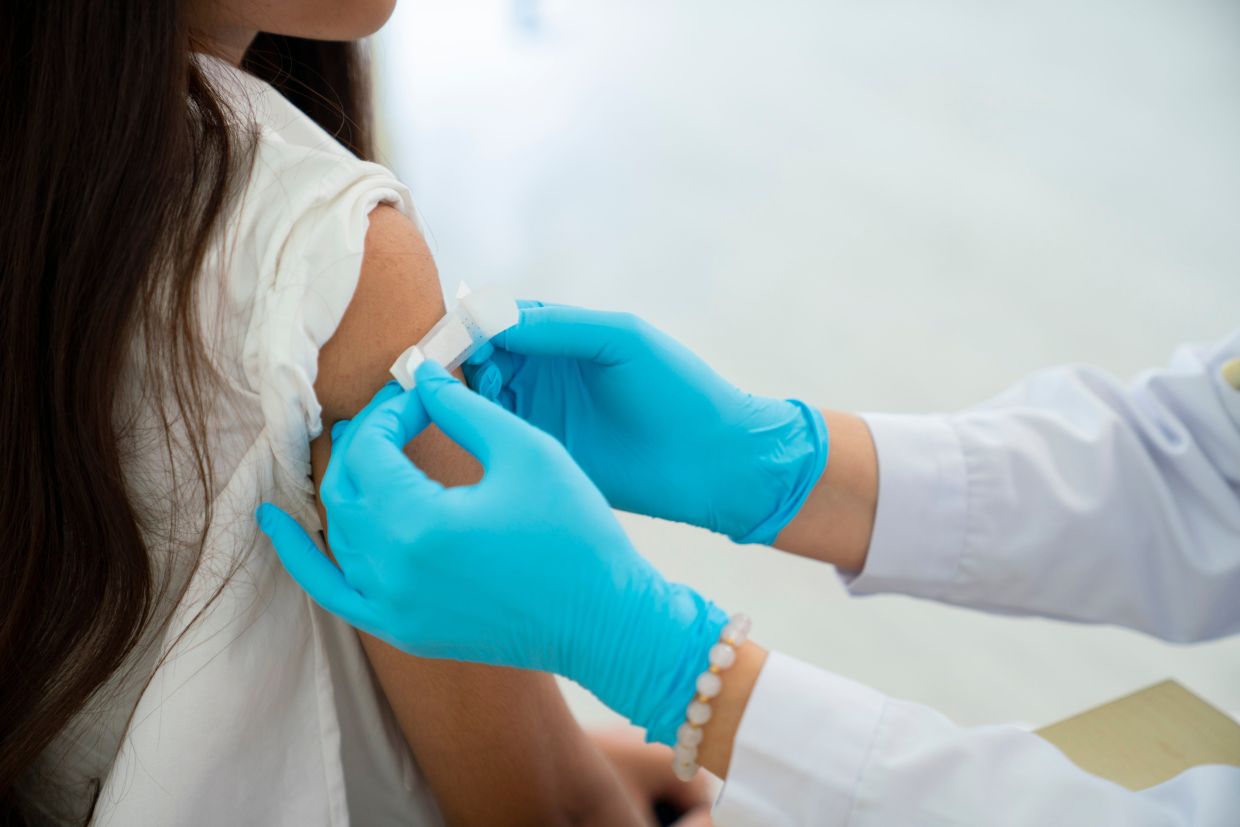
Hong Kong officials have moved to reassure parents about the city's vaccination schedule for children, defending the comprehensive immunisation programme even as the United States under President Donald Trump has begun restricting childhood vaccine recommendations to select high-risk groups. The Centre for Health Protection issued its statement on Tuesday, emphasising that public health policy and medical guidance must rest firmly on scientific research rather than ideological or political considerations.
The Hong Kong Childhood Immunisation Programme currently requires children from infancy through Primary Six to receive vaccines protecting against eleven diseases, including tuberculosis, poliomyelitis, hepatitis B, diphtheria, pertussis, tetanus, pneumococcal infection, chickenpox, measles, mumps, and rubella. The programme additionally offers human papillomavirus vaccination to eligible primary school girls as a preventative measure against cervical cancer. According to health officials, this comprehensive approach has maintained extremely high immunisation coverage rates across the territory, resulting in exceptionally low incidence of childhood infectious diseases.
The timing of Hong Kong's defence of its vaccination programme reflects growing international tension over immunisation policy. On Monday, US President Donald Trump signed an executive order that fundamentally reshapes America's approach to childhood vaccines, recommending that vaccinations against respiratory syncytial virus monoclonal antibodies, hepatitis A, hepatitis B, meningococcal B, meningococcal ACWY, and dengue be limited to "certain high-risk groups or populations" rather than administered universally. The directive represents a stark departure from decades of public health consensus and reflects the incoming administration's broader ideological stance on medical autonomy.
Beyond altering vaccine recommendations, the Trump executive order directs the US federal government to challenge state laws mandating school-based vaccinations, arguing that such requirements violate parental authority, religious freedom, disability accommodation protections, and equal protection principles. This assault on state-level vaccination mandates threatens to unravel decades of public health infrastructure that has kept highly contagious diseases at bay across the United States. For regional observers, the American policy shift underscores the vulnerability of public health systems to political pressures and ideological shifts.
The Hong Kong Centre for Health Protection responded with a clear scientific rationale: vaccination schedules should not be altered without reliable data and medical research supporting such changes, as delays in immunisation reduce protection against infectious diseases and pose "significant and irreversible public health risks to children." Centre controller Dr Edwin Tsui Lok-kin emphasised that Hong Kong's sustained high immunisation coverage has been achieved through cooperation between parents, schools, and healthcare professionals, demonstrating the value of public trust in vaccination programmes.
The defence comes amid a recent high-profile case within Hong Kong itself. Last month, parents of a child placed under Social Welfare Department guardianship sought a High Court writ of habeas corpus to challenge the department's decision to vaccinate their son, Danny. The parents characterised the vaccination as an unwanted "medical intervention," expressing what they described as "fear and anger" over the authorities' arrangements. The case illustrates how vaccine hesitancy is not confined to the United States but is beginning to surface among some Hong Kong families, even as overall immunisation rates remain exceptionally high.
Hong Kong authorities have also specifically defended combination vaccines, particularly those protecting against measles, mumps, rubella, and varicella, citing extensive evidence of their safety and effectiveness. Officials noted that combination vaccines offer practical advantages beyond protection: they reduce the number of injections children must endure and significantly decrease the risk of missed doses, making them particularly suitable for childhood immunisation programmes. These combination formulations have become standard practice globally, reflecting international consensus on their utility and safety profile.
The contrast between Hong Kong's evidence-based approach and the ideological turn in United States policy has significant implications for Southeast Asia and the wider region. Many countries in the region have modelled their public health systems on international best practices, and the sudden retreat by a major developed nation from vaccination science could embolden vaccine-hesitant movements in less resilient health systems. Hong Kong's explicit reaffirmation of scientific principles serves as a regional counterweight to destabilising policy shifts elsewhere.
For Malaysia and other Southeast Asian nations, the Hong Kong case study raises important considerations about the resilience of immunisation programmes amid growing anti-vaccination sentiment. Malaysia's own childhood immunisation schedule, like Hong Kong's, depends on sustained public confidence and parental cooperation. The emergence of high-profile legal challenges to vaccinations in Hong Kong, combined with the legitimisation of vaccine hesitancy through high-level policy decisions in developed countries, could gradually erode the social consensus that has protected the region from preventable diseases.
The Hong Kong authorities' insistence that public health decisions must be grounded in scientific evidence rather than political convenience reflects a commitment to evidence-based governance that stands increasingly at odds with global trends. As vaccine hesitancy movements gain political influence, particularly in developed countries, the maintenance of this scientific standard becomes more challenging but arguably more essential. Hong Kong's defence of its vaccination programme thus represents not merely a local health policy discussion but a broader assertion of the primacy of science over ideology in protecting children's health.

