A Hong Kong mother and her adult son have been handed jail sentences by a Singapore court following a violent altercation at Changi Airport that resulted in injuries to both a police officer and an uninvolved bystander. Chan Sui-kwan, 65, received a six-month prison term for voluntarily causing hurt with intent to deter a public servant from carrying out official duties, while her son Chan Wing-kwan, 42, was sentenced to ten days imprisonment for voluntarily causing hurt. The sentencing followed convictions on July 29, with punishments handed down on the following Monday, concluding a protracted legal process that spanned multiple continents and more than a year.
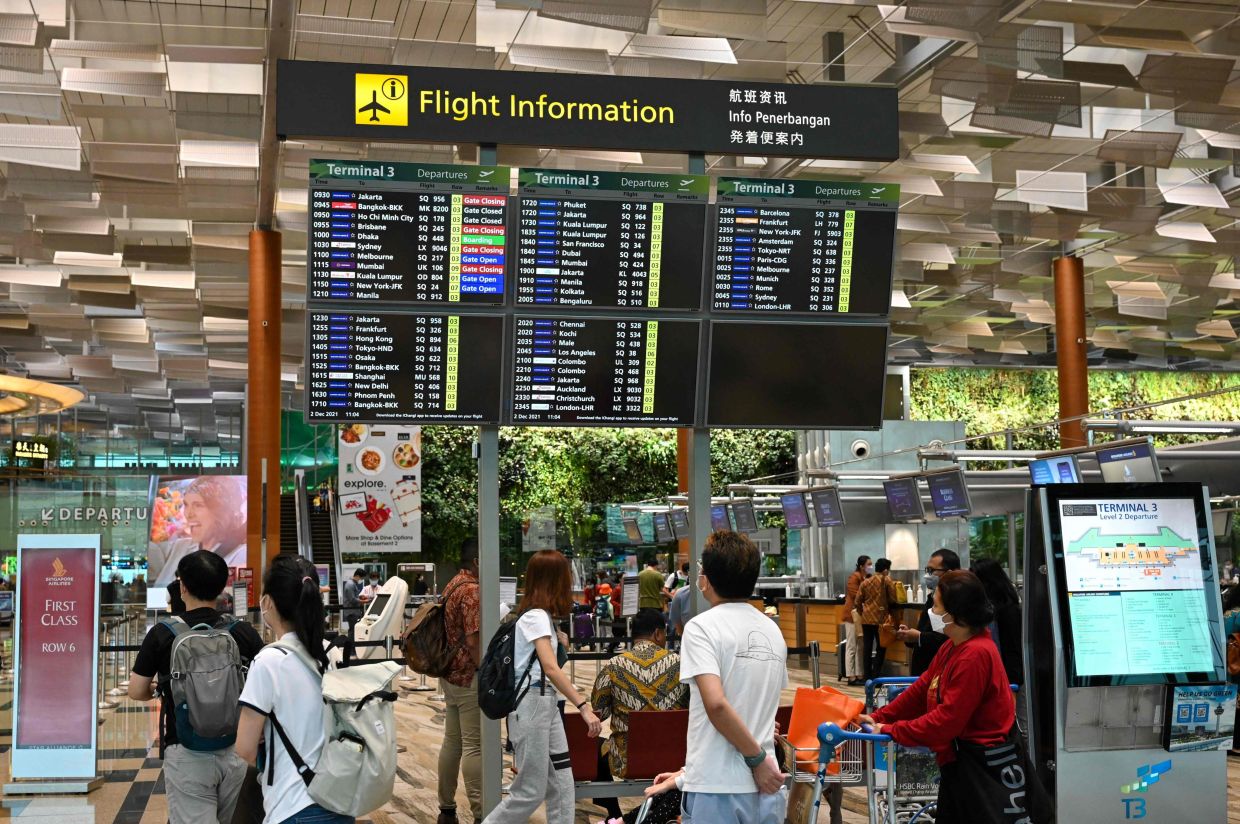
The incident unfolded on the afternoon of June 30, 2024, within the sprawling Terminal 3 complex at Singapore's primary international gateway. According to court documentation, the confrontation began when Chan Wing-kwan became increasingly agitated, apparently under the mistaken impression that nearby passengers were ridiculing him. His emotional distress escalated to physical violence as he kicked his own mother during this initial outburst. A 69-year-old traveller, motivated by concern for the woman's wellbeing, attempted to intervene and check on her condition. Rather than accepting assistance, Chan Sui-kwan instructed the man to stay away from the situation, while her son responded with aggressive posturing and challenged him to combat.
The situation deteriorated when the family relocated to another level within the terminal building. The younger Chan struck his mother a second time with his foot, and when the concerned bystander moved to contact authorities by attempting to make a phone call, Chan Wing-kwan launched himself toward the man. What followed was a sustained physical altercation during which the son repeatedly drove his fists into the older traveller's head and face. The victim sustained significant injuries including a haematoma—a collection of blood beneath the skin tissue—along with abrasions to his knee and contusions affecting his fingers. The severity of the assault demonstrated a pattern of escalating violence rather than a momentary loss of control.
Police arrived at the scene and took preliminary statements, documenting the identity details from both suspects' travel documents before returning the passports. However, the situation proved far from resolved. Several hours after the initial incident, during the same afternoon, airport security located the mother and son in the departure hall. Chan Sui-kwan allegedly refused to surrender her passport and created a further public disturbance, prompting officers to take her into custody. Her arrest did not proceed without resistance; as police moved to physically apprehend her, she fought back intensely. During the struggle, the 65-year-old woman bit a police officer on the right forearm, penetrating his clothing and leaving a visible one-centimetre mark along with surrounding bruising. The assault on the officer formed the basis for the more serious charge she faced.
The prosecutorial timeline reveals significant delays in bringing the pair to justice. Chan Wing-kwan was formally charged on April 24, with the younger date suggesting he may have been processed initially before his mother. Chan Sui-kwan did not appear before the court until November 18, nearly five months after the incident. This extended interval between the alleged crimes and court proceedings is notable, particularly given that both individuals appear to have been present at the airport throughout this period or had departed and returned to face charges. A scheduled court appearance on July 22 came and went without the defendants' presence, prompting the issuance of an arrest warrant that ultimately led to their apprehension and conviction.
The case carries implications for international air travel safety and passenger conduct standards at one of Asia's busiest aviation hubs. Changi Airport, handling millions of passengers annually, relies on a combination of security personnel, airport staff, and police to maintain order within its facilities. Incidents involving violence against law enforcement officers are treated with particular seriousness across Singapore's legal framework, reflecting the government's strong stance on maintaining public order and protecting those tasked with enforcement responsibilities. The assault on the officer during the arrest process represents a significant breach of this public order framework.
For Malaysian travellers and residents, the case underscores important considerations regarding conduct in foreign jurisdictions. Singapore maintains robust laws against assault, battery, and resisting arrest, with sentencing outcomes that may differ substantially from comparable offences in Malaysia or other regional nations. The specific charge of causing hurt to deter a public servant carries enhanced penalties reflecting the government's prioritisation of official authority. The incident also highlights how airport environments—despite being spaces of transit and assumed temporary status—remain fully subject to local criminal jurisdiction and enforcement.
The family's background as Hong Kong nationals adds a transnational dimension to what might otherwise appear as an isolated airport altercation. The extended legal process and the requirement for appearance at Singapore courts illustrate how international travellers become entangled in foreign judicial systems. The case raises questions about mental health and crisis management in public spaces, given the sudden onset of the son's agitation without apparent external provocation beyond perceived mockery. Whether either defendant had underlying psychological conditions that might have contributed to the escalation remains unclear from publicly available information.
The outcome demonstrates Singapore's consistent enforcement of its criminal statutes regardless of defendants' nationality or whether they might be considered transient passengers rather than residents. Similar cases involving violence at Kuala Lumpur International Airport or other major Malaysian transport hubs would follow analogous legal pathways but potentially with different sentencing outcomes. The six-month and ten-day sentences reflect Singapore's approach to balancing punishment with proportionality in assault cases. For the injured bystander and police officer, the convictions may provide some measure of legal vindication, though the physical and emotional impacts of such unprovoked violence in a public space typically persist well beyond courtroom judgments.

