Hong Kong's police force has dismantled a coordinated phishing operation following the arrest of two men accused of defrauding more than HK$500,000 from unsuspecting residents. Detained last Thursday on suspicion of conspiracy to defraud, the suspects aged 31 and 44 face serious criminal charges that could carry sentences of up to 14 years under Hong Kong law. The police announcement on Saturday revealed the scale and sophistication of the scheme, which exploited common social engineering tactics targeting online consumers across the territory.
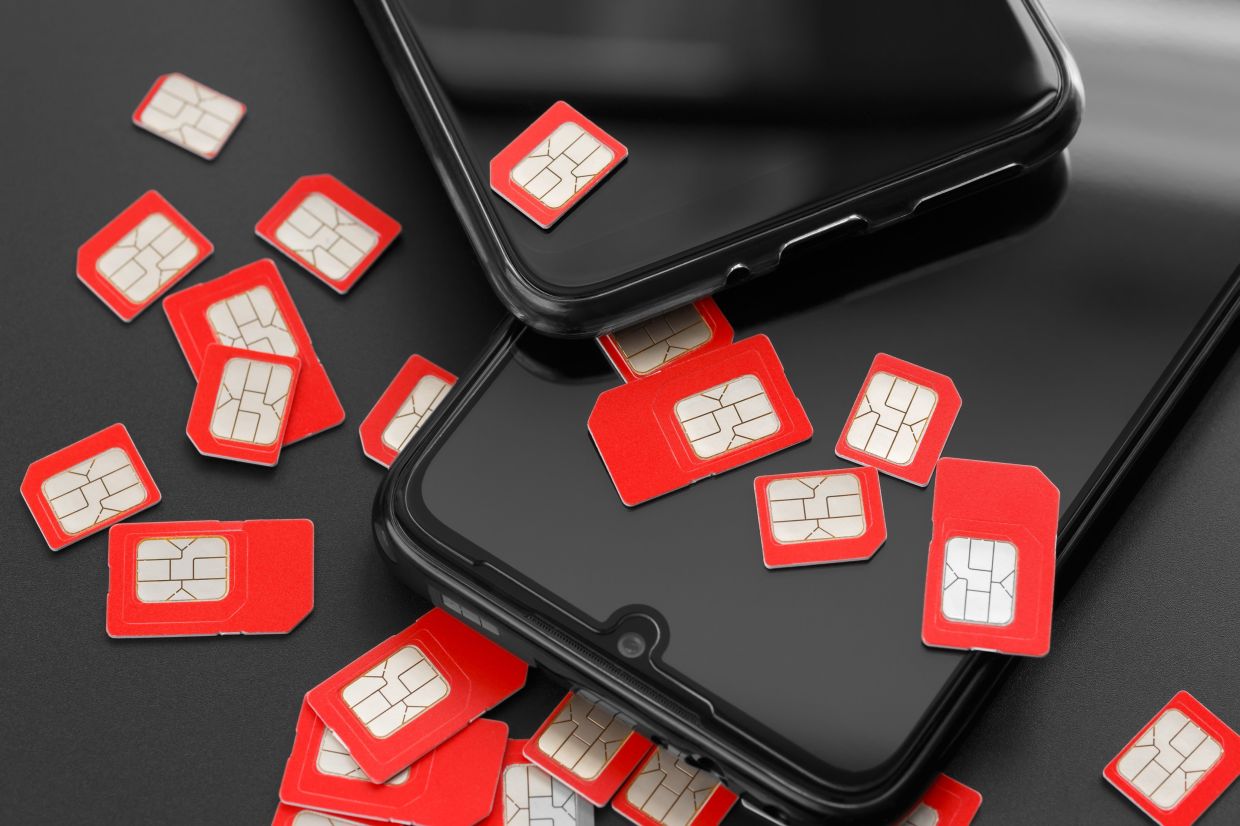
The operation's infrastructure was remarkably complex for what amounts to a relatively contained criminal enterprise. Investigators discovered that the suspects had established a makeshift command centre in a hotel room, from which they orchestrated mass messaging campaigns using technology specifically designed to circumvent traditional communication barriers. At the heart of their setup lay a modem pool device, a sophisticated piece of equipment enabling simultaneous control of multiple SIM cards, alongside nine mobile phones and a stockpile of 110 SIM cards purchased with real-name registration details sourced from various individuals.
The fraudulent messaging campaign reached staggering proportions before police intervention. Analysis by the commercial crime bureau's fraud division revealed that the suspects dispatched more than 2,000 suspected scam messages through their network of SIM cards. These communications adopted convincing impersonation tactics, with perpetrators posing variously as delivery company representatives or representatives of online payment platforms. Victims received notifications about undelivered packages requiring collection or warnings about unauthorized insurance subscriptions necessitating immediate fee payments to cancel.
Once victims responded to these carefully crafted messages, the operation's next phase unfolded with calculated precision. The fraudsters directed targets to contact fake customer service hotlines, where accomplices employed a repertoire of social engineering techniques to extract money. Through various pretexts and high-pressure tactics, operators convinced victims to transfer funds into designated bank accounts, completing the deception chain that transformed initial contact into financial loss. Inspector Kwan Yat-hei from the fraud division highlighted how investigation teams cross-referenced intercepted phone numbers with previously reported scam cases, establishing definitive links between the operation and multiple documented incidents.
The investigation's breakthrough came through careful tracking of SIM card acquisition patterns. Police discovered that the suspects had deliberately acquired bulk quantities of SIM cards through multiple individuals to obscure the true nature of their activities. This approach exploited legitimate real-name registration systems intended to enhance transparency in telecommunications infrastructure. The strategy represented a deliberate circumvention of regulatory measures designed precisely to prevent such coordinated fraudulent schemes. By fragmenting purchases across different registered users, the perpetrators hoped to avoid triggering investigative alerts that might arise from suspicious concentration patterns.
The discovery carries significant implications for Hong Kong's broader cybercrime landscape. The hotel-based operational model demonstrates how relatively accessible commercial spaces can be repurposed into specialized fraud centres. The technology employed, while not cutting-edge, proved effective enough to generate substantial criminal proceeds and victimize hundreds of residents. The scale of messaging volume suggests the perpetrators possessed both technical capability and operational discipline to execute their scheme methodically over an extended period. Such sophistication indicates possible connections to wider organized criminal networks specializing in telecommunications fraud.
Security authorities emphasized the vulnerability of residents unfamiliar with fraud tactics. Police urged the public to exercise extreme caution regarding unsolicited communications requesting urgent action or financial transfers. Inspector Kwan specifically advised residents to reject calls from numbers appearing in suspicious messages, reflecting a fundamental principle of cybersecurity awareness that official organizations rarely initiate contact through unexpected channels. The guidance targets a behavioural gap among victims, many of whom panic when presented with seemingly urgent situations involving payment disputes or package delivery problems.
The warning regarding SIM card circulation extends police responsibility into prevention territory. Authorities emphasized that individuals lending or selling their SIM cards to others potentially implicate themselves in criminal liability if those cards subsequently facilitate fraud. This cautionary message addresses a vulnerability in Hong Kong's regulatory framework whereby legitimate communication tools become instruments for criminal activity through informal transfer arrangements. The prospect of criminal liability for SIM card lenders represents a significant escalation in deterrent messaging, effectively treating careless participation as complicity rather than mere negligence.
The timing of this investigation reflects ongoing enforcement evolution following mandatory real-name registration requirements implemented across Hong Kong since March 2022. While such registration intended to enhance accountability and traceability, criminals adapted by fragmenting registrations across multiple individuals rather than abandoning telecommunications channels entirely. The continued viability of organized phishing operations despite regulatory enhancements suggests that technical solutions alone cannot address determined criminal behaviour without sustained investigative effort and public awareness initiatives.
The suspects remained in custody pending further investigation when authorities released their statement, with police indicating that additional arrests remained possible. This suggestion implies investigators had identified accomplices or financial intermediaries participating in money laundering phases of the scheme. The broader implication extends to potential international dimensions, as fraudulent telecommunications operations frequently involve regional networks spanning multiple jurisdictions. Hong Kong's interconnected position within Southeast Asian financial systems means scams originating here may victimize residents across broader geographic areas, requiring coordinated enforcement responses.
For Malaysia and other Southeast Asian nations, this case underscores the vulnerability of regional populations to sophisticated telecommunications fraud operations. The relatively modest investment required to establish such schemes—basic technology, rented commercial space, and bulk SIM card purchases—makes replication feasible across multiple jurisdictions. Malaysian authorities monitoring telecommunications fraud trends should consider similar operational vulnerabilities within local contexts. The operational playbook demonstrated here requires minimal specialization or advanced technology, merely sustained coordination and psychological manipulation of victims already predisposed to believe their financial interests face jeopardy.
The broader security ecosystem surrounding digital commerce faces ongoing pressure from such operations. As online shopping, digital payments, and financial services expand throughout Southeast Asia, criminal adaptation accelerates proportionally. The phishing methodology employed demonstrates enduring effectiveness despite increased public awareness campaigns. Financial institutions and telecommunications providers throughout the region must recognize that technical preventive measures require complementary investigative capacity and public education sustained over extended periods. The Hong Kong case provides valuable operational intelligence for neighboring enforcement agencies seeking to prevent similar schemes before victimization reaches comparable financial scales.

