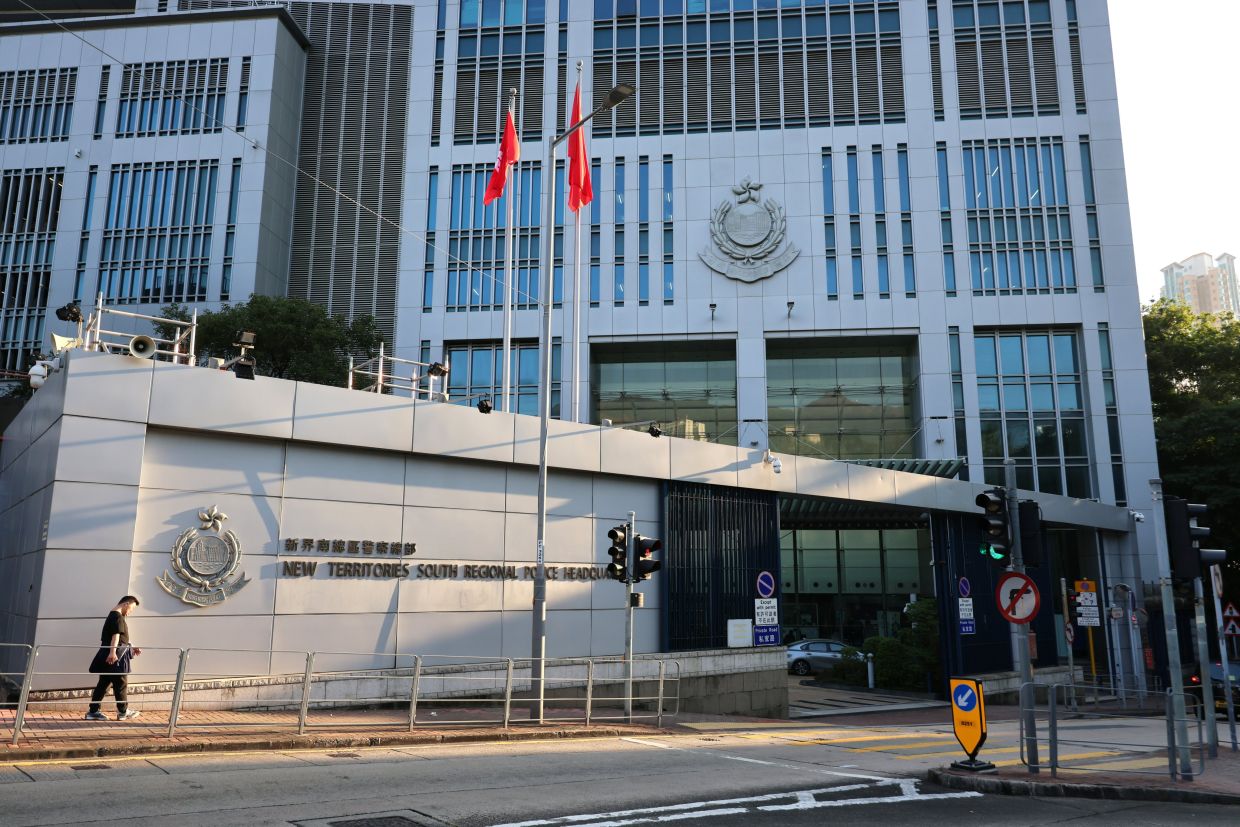
A Hong Kong police officer has been formally charged with misconduct in public office following an investigation into inappropriate communications allegedly sent to a civilian. The 32-year-old officer from Kwai Tsing police district was apprehended in Tuen Mun on August 20 by detectives from the New Territories South regional crime unit, marking another instance of alleged abuse of authority by a member of Hong Kong's law enforcement.
The controversy centres on the officer's conduct during an investigation initiated in May of the previous year. While examining that case, the officer allegedly made contact with a woman who was acquainted with one of the suspects and proceeded to transmit messages of a sexual nature along with explicit images to her, according to police accounts. The female recipient did not remain silent about the exchange and subsequently reported the officer's behaviour to police authorities later that same month.
The incident reflects broader concerns about the conduct standards within Hong Kong's police force, particularly regarding how officers interact with members of the public during investigations. The impropriety occurred while the officer was engaged in official duties, elevating the severity of the allegations and drawing scrutiny to internal oversight mechanisms. The woman's willingness to come forward despite potential complications demonstrates the importance of public reporting in holding law enforcement accountable.
Following preliminary inquiries into the matter, authorities proceeded with legal action against the officer. He faces a single charge of misconduct in public office, a serious allegation that strikes at the heart of professional standards expected of those sworn to uphold the law. The specific charge reflects the legal system's recognition that officers must conduct themselves with integrity both on and off duty, and that abusing their position or authority constitutes a fundamental betrayal of public trust.
The officer's court appearance is scheduled for Friday at Sha Tin Court, where he will face a magistrate to address the allegations. The judicial process will determine whether the evidence supports the charges and what consequences may follow. In the interim, the officer has been suspended from active duty, a standard precautionary measure that removes him from operational roles while legal proceedings continue.
The Hong Kong Police Force issued a statement emphasizing its commitment to maintaining high standards of conduct among its ranks. A police spokesman underscored that the organization regards officer behaviour with utmost seriousness and refuses to countenance illegal activities by members. This public position reflects institutional recognition that public confidence in law enforcement depends critically on the personal integrity of individual officers and their adherence to ethical guidelines.
The case assumes particular significance within Southeast Asia's broader law enforcement environment, where questions about police accountability and professional standards remain contentious in several jurisdictions. Hong Kong, as a major financial hub with significant regional influence, sets precedents in how it addresses police misconduct that observers across Asia monitor closely. The swift detention and charging of the officer, combined with suspension from duty, suggests that investigative processes can move rapidly when allegations emerge.
For Malaysian readers and observers throughout the region, this incident underscores ongoing debates about police conduct and mechanisms for civilian recourse. Many Southeast Asian nations grapple with establishing robust frameworks for investigating officer misconduct and ensuring that abuse of authority does not go unpunished. Hong Kong's handling of this case—through formal charges rather than internal discipline alone—demonstrates one approach to maintaining public accountability.
The implications extend beyond a single officer's actions. Incidents of this nature, when reported and prosecuted, reinforce the principle that no one, regardless of their official position, stands above the law. For citizens concerned about their interactions with police during investigations, the case illustrates the importance of documenting inappropriate conduct and reporting it through formal channels.
The investigation also highlights how allegations can emerge months after incidents occur. The May investigation that prompted the officer's inappropriate contact did not immediately trigger disciplinary action; rather, the woman's subsequent report prompted authorities to examine the officer's conduct. This delayed discovery mechanism suggests that some misconduct may remain undetected unless victims or witnesses actively report problematic behaviour.
As Hong Kong's legal system proceeds with the prosecution, the outcome will carry weight beyond the individual case. Convictions for misconduct in public office by police officers send clear messages about institutional expectations and the price of ethical failures. The case thus functions as both a specific instance of accountability and a broader statement about professional standards within law enforcement.

