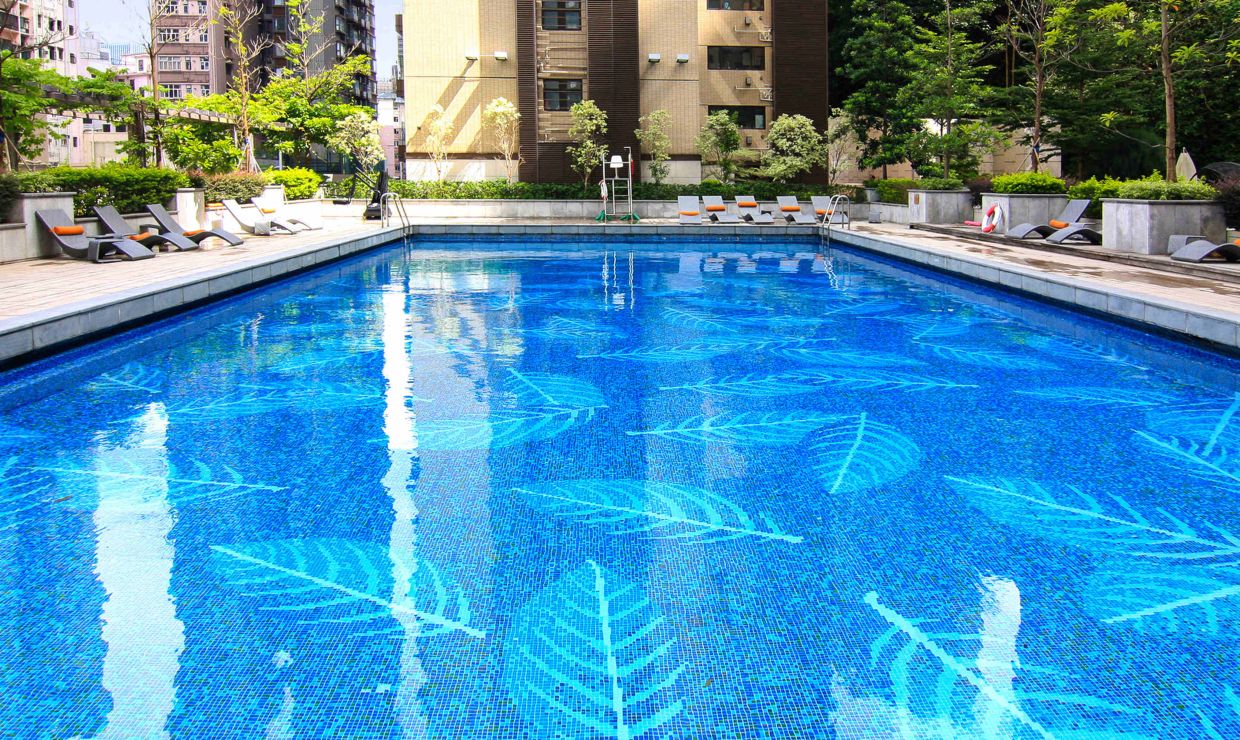
A private swimming pool serving residents of a housing estate in Hong Kong's affluent Happy Valley neighbourhood has been shut down after regulators uncovered evidence that a lifeguard on duty possessed forged qualifications. The closure marks another concerning discovery in Hong Kong's ongoing efforts to tighten safety standards at privately operated aquatic facilities, where lax oversight has historically created vulnerabilities.
The Food and Environmental Hygiene Department identified the breach when staff compared a lifeguard's credentials against official records maintained by the Hong Kong China Life Saving Society. The verification process revealed significant discrepancies, indicating that the attendant's qualifications did not align with what the certifying body had on file. This mismatch immediately disqualified the individual from legally performing lifeguard duties in Hong Kong.
The facility in question, located at 1-5 Ventris Road within Winfield Building, was operating under a valid swimming pool licence issued by the government. However, once authorities determined that the lifeguard's documentation was suspect, the entire operation became non-compliant with regulatory requirements. The facility fell below the mandatory staffing threshold for qualified lifeguards, making it unsafe to remain open to residents. Authorities moved swiftly to issue an immediate closure order, effectively shutting down the pool until management can restore full compliance.
The regulatory response demonstrates escalating enforcement action against private pool operators. Beyond the closure, government officials have indicated they intend to pursue criminal prosecution against the pool's licensee for allowing unqualified personnel to work in a safety-critical role. The case has also been referred to police for investigation into possible document forgery, given the apparent fraudulent nature of the lifeguard's credentials. Meanwhile, the Property Management Services Authority has been notified to conduct its own follow-up investigation, extending scrutiny across multiple regulatory channels.
The speed of detection reflects procedural improvements implemented since May of the previous year. New requirements now mandate that private pool licensees verify and photocopy identity documents and lifeguard certifications before hiring any safety personnel. Additionally, duty records must be cross-checked and authenticated by both the lifeguards themselves and inspectors appointed by the facility operator. These protocols create an audit trail designed to catch irregularities before they endanger swimmers.
This incident represents the second documented case of unauthorised lifeguard deployment discovered since enhanced regulations were introduced. The earlier breach, uncovered last year, suggested that fraudulent qualifications might be more prevalent than initially assumed. Each discovery raises uncomfortable questions about how thoroughly private pool operators have been vetting their staff historically, and whether other facilities continue to operate with similarly compromised personnel.
The scale of current enforcement efforts underscores the government's determination to address systemic weakness in private pool safety. Between January and July this year, the Food and Environmental Hygiene Department conducted approximately 7,000 inspections across more than 1,400 licensed private pools. During these inspections, officials verified the legitimate qualifications of roughly 2,100 lifeguards. The sheer volume of verification work suggests that authorities recognised widespread compliance problems requiring intensive investigation.
For Malaysian readers, the Hong Kong experience offers relevant lessons about the importance of rigorous credential verification in safety-sensitive sectors. Private swimming facilities across Southeast Asia often operate with minimal oversight, and lifeguard qualifications are frequently accepted at face value without independent verification. The apparent ease with which a fraudulent lifeguard gained employment in Hong Kong demonstrates how gaps in procedural rigour can create serious public safety risks, particularly where children are concerned.
The closure also highlights the asymmetry in regulatory capacity between public and private operators. Government-run facilities typically face more intensive scrutiny and standardised staffing protocols, whereas private estate pools often rely on property management companies with limited expertise in aquatic safety compliance. Hong Kong's recent tightening of standards reflects a belated recognition that private operators cannot be trusted to self-regulate adequately without explicit, enforceable requirements.
Moving forward, Hong Kong authorities have signalled their intention to intensify surprise inspections and unannounced spot checks during the peak swimming season. This unpredictability is designed to prevent operators from maintaining a veneer of compliance that conceals ongoing breaches during off-peak periods. The strategy acknowledges that compliance achieved only under the threat of scheduled inspections is inherently unstable and insufficient to protect public safety.
The incident raises broader questions about credential fraud in Hong Kong's service economy. If lifeguard certifications can be forged convincingly enough to deceive private employers, questions arise about how many other safety-critical credentials might be similarly compromised. The referral to police suggests authorities view this as part of a potentially larger document fraud problem rather than an isolated incident involving a single dishonest applicant.
For private residents in Hong Kong's upscale housing estates, the closure creates inconvenience but also serves as reassurance that regulatory authorities will take swift action when safety standards are violated. The willingness to immediately shut down a facility rather than permit gradual remediation demonstrates commitment to safeguarding public welfare over protecting business interests. However, the underlying tension remains unresolved: how can regulators maintain effective oversight of thousands of private facilities with limited inspection resources without relying fundamentally on operator integrity and voluntary compliance.

