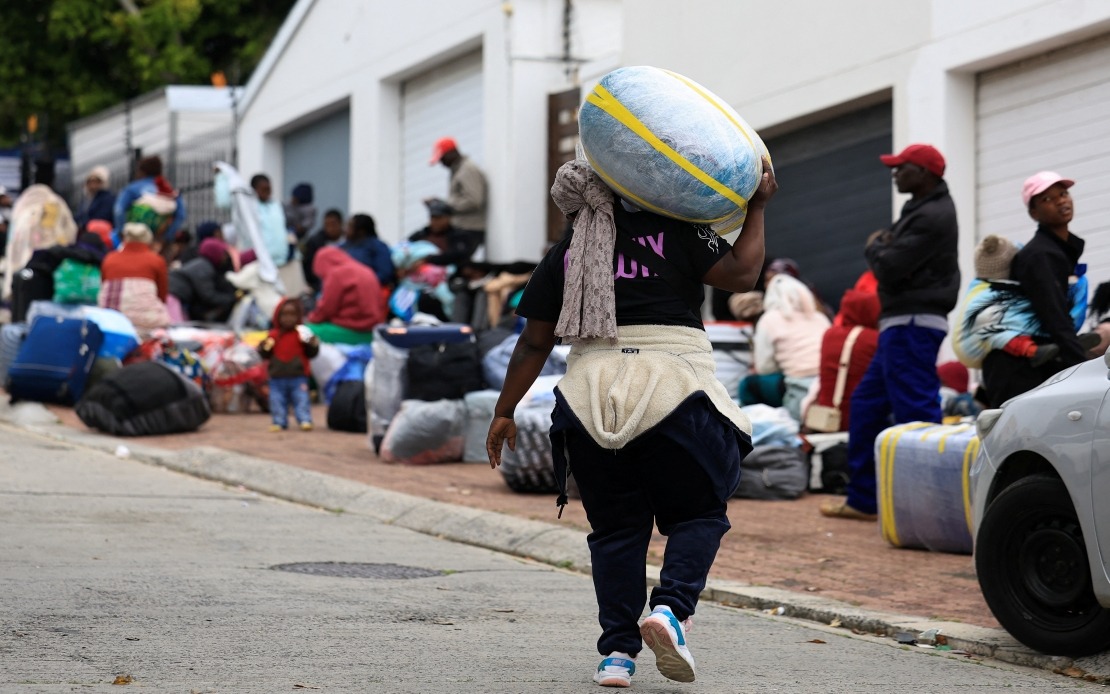
The departure of hundreds of foreign nationals from Cape Town's Epping processing centre marks a turning point in South Africa's handling of undocumented migrants fleeing neighbouring countries. Over the weekend, authorities commenced transferring Zimbabwean nationals and some Malawians from the temporary facility, redirecting them northward to Musina in Limpopo Province, where a much larger staging ground already houses thousands of migrants awaiting processing and eventual repatriation.
The relocation operation underscores the mounting pressure on South African immigration services to manage a complex humanitarian situation that has become increasingly volatile. The government has publicly encouraged remaining applicants to bypass the Cape Town facility entirely and proceed directly to Musina for processing, effectively dismantling the Western Cape operation and consolidating migrant processing in a single inland location. This centralization strategy, while potentially streamlining bureaucratic procedures, represents a significant logistical challenge for vulnerable populations with limited resources and information.
Conditions at the Epping centre have deteriorated markedly since its opening. Humanitarian organisations operating at the site have been stretched thin attempting to provide basic food, shelter, and sanitation facilities to a continuously expanding population. Aid workers report that occupants have developed diarrhoea and flu-like symptoms, suggesting inadequate hygiene infrastructure and crowding. The health concerns raise questions about the adequacy of government preparation for managing such large migrant populations in confined spaces, particularly as southern Africa confronts recurring cholera and other infectious disease threats.
The processing centre's closure comes amid a backdrop of organized anti-immigrant sentiment that has gained dangerous momentum. Around a week before the evacuation, approximately three thousand people had been initially relocated to the Epping site after spending roughly two weeks camped outside the Zimbabwean consulate in Cape Town. These migrants had sought refuge at the diplomatic mission because they feared violence linked to coordinated anti-immigrant demonstrations. Local activist groups had circulated an unofficial June 30 deadline, threatening undocumented foreign nationals with expulsion, which amplified fears within migrant communities already vulnerable to xenophobic attack.
The situation reflects deepening social tensions across South Africa's major urban centres, where economic hardship and unemployment have fuelled resentment toward foreign workers and asylum seekers. Zimbabwe's ongoing economic crisis has pushed hundreds of thousands of citizens across the border in search of employment and basic survival. Many arrive without proper documentation, making them targets for exploitation by smugglers, employers, and opportunistic criminals. The anti-immigrant rhetoric emanating from organized groups has emboldened vigilante actions and created a climate of fear that discourages migrants from seeking official assistance.
On the final day of the transfer operation, approximately four hundred additional migrants who arrived overnight were left stranded outside the facility as authorities prepared final closure procedures. These newly arrived individuals, turned away from the centre and unsure of their next steps, exemplify the confusion and desperation characterizing the current crisis. Without clear guidance or transportation to Musina, they face an uncertain trajectory—remaining in Cape Town risks renewed anti-immigrant violence, while attempting to reach Limpopo independently presents daunting logistical and financial obstacles.
Zimbabwean migrant Yekuai Mokoena, who had sheltered at the site with her two children after spending nights outside the consulate, offered a stark assessment of her circumstances. When asked about conditions, she simply stated, "The situation is bad"—a profound understatement that captures the desperation of families navigating a system manifestly unprepared for their numbers. Mokoena's presence at the facility with dependent children highlights the family dimension of migration flows often obscured by aggregate statistics, revealing how economic collapse in home countries forces parents to undertake perilous journeys with vulnerable dependents.
The continuous arrival of additional migrants seeking government assistance to return home demonstrated that the push factors driving Zimbabwean emigration remain potent. Even as buses were being loaded with evacuees on Saturday afternoon, new applicants continued approaching the Epping facility, hoping to access repatriation services. This dynamic suggests that South Africa's response, focused primarily on processing and relocating existing migrant populations, may struggle to address the underlying conditions generating ongoing migration flows from Zimbabwe and other regional economies experiencing severe contraction.
For Malaysian and broader Southeast Asian observers, the Cape Town crisis offers cautionary lessons about managing migration pressures amid xenophobic sentiment and economic distress. While Malaysia has developed more sophisticated migration management frameworks than many African nations, episodes of anti-migrant tension have erupted in Malaysian cities and towns. The South African situation demonstrates how failure to establish transparent, orderly processing systems and public education campaigns about migration's economic and social dimensions can allow extremist narratives to dominate public discourse, ultimately creating humanitarian crises that prove far costlier to address than preventive investment in reception infrastructure and integration support.
The relocation to Musina represents both a short-term management decision and a potential strategic pivot. Consolidating processing capacity in a single inland location may eventually improve coordination and reduce the visibility of migrant concentrations in major urban centres. However, success depends on South African authorities providing adequate facilities, transparent timelines, and safe transportation. The current approach risks merely displacing the crisis from Cape Town to Limpopo, where infrastructure may be equally strained. Regional stability ultimately depends on addressing the economic conditions driving people from Zimbabwe and other countries—a challenge extending far beyond South Africa's borders and requiring coordinated development investment across southern Africa.

